2026 Annual Learning Conference

WHEN


March 18-20, 2026
Wednesday – Friday

WHERE


Double Tree by Hilton, West Edmonton

16615 109 Avenue NW, Edmonton
Treaty 6 Territory
Hotel Map

COST


$560 + GST (Early Bird)
Early Bird Rate ends February 13, 2026
Non-member rate: $700 + GST

View Cancellation Policy

The CASS hotel block at the Double Tree is now sold out. Please contact the hotel to be added to their waitlist in the event of last-minute cancellations.
For your convenience, an overflow block has been arranged at Home2 Suites, located within the same parking lot and just a 3-minute walk to the Double Tree. The special CASS rate of $169 + taxes apply.

PRE-CONFERENCE: CEP COURSES

X
These pre-conference CEP courses are open to CASS members and non-CASS members. Regulated members will earn 10 CEP credits upon course completion. Registration cost is $400+GST for the Member Rate and $500+GST for Non-member Rate.

Wednesday, March 18, 2026 (10:00 a.m. - 4:00 p.m.) **Please take note of the dates for the upcoming required online sessions.**

Facilitator(s): Danica Martin & Mark Siemens


(Hybrid – 5 hours of in-person learning at the CASS pre-conference, followed by 2 online sessions (2 ½ hours each) for a total of 10 hours.)

  • In-person – Wednesday, March 18, 2026 (10:00 am – 4:00 pm)
  • Online – Wednesday, March 25, 2026 (3:30 pm – 6:00 pm)
  • Online – Wednesday, April 1, 2026 (3:30 pm – 6:00 pm)

This course will provide opportunities for participants to reflect on their personal leadership values ​​and beliefs and how these align with their role as a system education leader. Participants will conduct an environmental scan of potential leaders within their systems and develop plans to build leadership capacity and enhance stakeholder engagement throughout their school authority. Participants will be challenged to consider what their ripple effect as a system education leader will be.

As a result of attending this course, participants will:

  • assess and apply the skills and attitudes that demonstrate an openness to feedback and shared leadership.
  • interpret current, relevant theory and research on leadership, change and system coherence, shared leadership, and system thinking.
  • describe the various layers of the school authority where leadership capacity can be developed with differentiated strategies, structures, and processes to build leadership capacity.
  • plan purposeful and practical ways to engage stakeholders (including consideration for under-represented stakeholder groups).
  • exemplify reflective practice, transparency, and effective communication skills.

This course will be facilitated by:

Danica Martin has over 20+ years of experience in educational leadership roles at the school and system level. Danica was an assistant superintendent of education services with a central Alberta school authority. She has led a variety of complex teams and worked strategically with them to build leadership capacity and cohesion. Danica holds a Master of Education degree in Educational Leadership as well as a Bachelor of Education degree. Additionally, she is a certified Working Genius facilitator and a certified professional and business coach. Danica believes strongly in the impact of leadership and the ripple effect that leaders can have throughout their organizations. Danica is the founder and principal coach of Danica Designs Coaching and Consulting.

Mark Siemens is the Assistant Superintendent of Human Services with Clearview Public Schools. A former teacher and principal, he leads Human Resources and Safety portfolios, focusing on the conditions that enable staff to grow and excel. His leadership is unapologetically grounded in both positive relationships and clear accountability, emphasizing professional learning, authentic coaching, and well-defined expectations.

Facilitator(s): Dr. Scott Morrison & Dr. Andrea Holowka


(Hybrid – 5 hours of in-person learning at the CASS pre-conference, followed by 2 online sessions (2 ½ hours each) for a total of 10 hours.)

  • In-person – Wednesday, March 18, 2026 – (10:00 am – 4:00 pm)
  • Online – Wednesday, March 25, 2026 (8:00 am – 10:30 am)
  • Online – Wednesday, April 1, 2026 (8:00 am – 10:30 am)

In this course, participants will learn about over 50 hacks and heuristics they can apply to ensure their Boards are edified, engaged, constructive, and productive. These hacks and heuristics have been vetted through a committee of seven chief superintendents serving in rural, urban, and metro school authorities. The pedagogy will promote the social co-construction of meaning, yet the primary goal of the course is for each participant to leave with a personalized philosophy of how to best support effective governance in their context.

As a result of attending this course, participants will:

  • learn how to insert themselves as activating presences with their Board.
  • learn how to communicate with the Board and to help their Board communicate, engage, and advocate with both the public and one another.
  • learn how to help the Board focus on their fiduciary duty to provide the public with assurance.
  • understand the efficacy of adhering to guidelines and processes derived from several key Board policies.

Course Facilitators:

Dr. Scott Morrisonis the former superintendent of Christ the Redeemer (CTR) Catholic Schools and a former CASS President. Prior to becoming a superintendent, Scott served as associate superintendent, division principal, and principal at both the elementary and secondary levels. Scott retired from the superintendency in 2023. He is currently a leadership consultant and post-secondary instructor but has taken a hiatus from that work to serve as St. Mary’s University’s (Calgary) interim president for the 2025/2026 year. Scott is an experienced facilitator of professional learning and has presented on various topics as far south as Lethbridge and as far north as Grande Prairie. He’s also presented at CASS’s Start Right and Leading for Learning for nearly two decades.

Dr. Andrea Holowka is the superintendent of schools with Christ The Redeemer (CTR) Catholic Schools. With over 30 years of service in education, Andrea brings extensive leadership experience from her roles as a teacher, principal, system leader, superintendent, and post-secondary instructor. She has served as a superintendent for over a decade in various divisions, including CTR, the Calgary Board of Education, and the Calgary Catholic School District. Andrea holds a Doctorate of Education, with a dissertation focused on supporting mental health intervention services across large school authorities. She is active in leadership and cross-sector collaborations throughout Alberta and has held provincial leadership roles, including president of the College of Alberta School Superintendents (CASS) and president of the Council of Catholic School Superintendents of Alberta (CCSSA).

Facilitator(s): Loriann Stienwand & Dr. Dianne McConnell


(Hybrid – 5 hours of in-person learning at the CASS pre-conference, followed by 2 online sessions (2 ½ hours each) for a total of 10 hours.)

  • In-person – Wednesday, March 18, 2026 – (10:00 am – 4:00 pm)
  • Online – Wednesday, March 25, 2026 (8:00 am – 10:30 am)
  • Online – Wednesday, April 1, 2026 (8:00 am – 10:30 am)

This course will provide the information and support to system education leadership teams to effectively implement a continuum of support and services model within their school authority. The participant will become involved in several interactive activities to understand their beliefs about education and educational practices, as well as their own limiting beliefs which prevent them from becoming their best selves. Participants will learn about the necessary attributes in the design of a continuum of supports and services, the essential elements, and the strategies, knowledge, and skills they will need to lead this work.

As a result of attending this course, participants will:

  • engage with the community in implementing a vision for optimal learning for all students that is supported by a Continuum of Supports and Services (CSS). (Leading the Process)
  • challenge potential bias and reflect on their own beliefs and practices to be able to implement a CSS. (Learning to Be)
  • understand the seven elements in the design of a CSS and demonstrate how these elements are reflective in showing progress of the CSS within the system. (Learning to Know)
  • identify evidence to collect to provide assurance the CSS is responsive to the learners in their school authority. (Learning to Do)

Course Facilitators:

Loriann Stienwand brings experience at all levels of education, having worked as a teacher, learning coach, school administrator, director of inclusive learning, and mental health in schools specialist with Alberta Education. Currently Loriann holds the position of superintendent of Valhalla Charter School and works as a consultant with Calgary Board of Education. Through a systems approach she has had extensive experience enhancing individual and organizational capacity at the school, school authority and provincial levels. Loriann has led the creation of foundational educational frameworks for inclusion including Implementing a Continuum of Supports and Services: A Resource Guide for School and School Authority Leaders. She has enriched collaborative systems through the design of Alberta’s Mental Health in Schools Pilots and has provided instructional leadership in moving research to action with the University of Calgary and CBE in the provision of targeted mental health supports. Loriann holds a Master of Educational (Educational Leadership) from Gonzaga University, a Bachelor of Education and a Bachelor of Arts in Psychology, both from the University of Saskatchewan. Loriann is passionate about and unwavering in her belief in the power of the collective in advancing equity, mental health and well-being.

Dr. Dianne McConnell began her career as a teacher with the Parkland School Division. She completed her PhD in Special Education and became a registered psychologist. Dianne has worked as a vision consultant (teacher for the visually impaired), director of student services at multiple school divisions, led the Alberta Provincial initiative for inclusion (Setting the Direction), and eight years as associate superintendent with Parkland School Division (retired June 2021). She is also the mother of three children, two of whom had complex health conditions, including vision loss. She has been involved in advocacy in the field of Blindness and Visual Impairment at both the provincial and national levels for over 30 years. She has been a dedicated advocate throughout her career and is passionate about making a difference for children and their families.

CONFERENCE: WEDNESDAY EVENING, MARCH 18, 2026

X

6:00 p.m. - Registration and Check In

7:00 p.m. - Opening Remarks, Elder Blessing & Land Acknowledgement, O Canada, Greetings from Minister Demetrios Nicolaides, Platinum & Gold Sponsor Video Remarks

7:30 p.m. - Keynote Address with Dr. Kerry Bernes

Facilitator(s): Dr. Kerry Bernes


This keynote address will examine the key challenges and opportunities associated with strengthening career education and mental health supports for children and youth in schools. Using foundational concepts from mental health, child development, and career development, the session will explore how a comprehensive, integrated approach can be leveraged to meet and exceed the September 2025 Ministerial Mandates related to enhanced career education and mental health supports in educational settings.

Following this keynote address, participants will have the opportunity to engage in a facilitated question-and-answer session with the presenter.

As a result of participating in this session, participants will have the opportunity to:

  • develop an understanding of key factors in child and adolescent development, mental health, and changes in the world of work; and

  • examine how principles of career development and well-being can be applied through a holistic, system-wide approach to enhance outcomes for young people.

Dr. Kerry Bernes is a full professor in Educational and Counselling Psychology in the Faculty of Education at the University of Lethbridge. He is a registered psychologist and is board certified in clinical psychology by the American Board of Professional Psychology. Dr. Bernes began his teaching career with the Calgary Board of Education in 1989, teaching students from Grade 3 through graduate studies. He is currently in his 37th year of teaching.

Dr. Bernes’s research focuses on career education and mental health. He has authored over 100 publications and has delivered more than 140 presentations at provincial, national, and international conferences.

8:45 p.m. - President's Reception

CONFERENCE: THURSDAY, MARCH 19, 2026

X

7:30 a.m. - Registration & Check In / Breakfast

8:15 - 8:45 a.m. - Welcome Remarks, Land Acknowledgement, Platinum & Gold Sponsor Video Remarks

9:00 - 10:30 a.m. - Communities of Practice (Regulated and Eligible Members)

This session will provide a facilitated opportunity for Communities of Practice to connect in person, revisit their purpose statements, and engage in reflective practice. Participants will be able to leverage this time to solidify and activate their Community of Practice’s collaborative plan.

As a result of participating in this session, participants will have the opportunity to to activate their CoP network and become reflective on their collaborative work.

Resources

Groups:

Facilitator(s): Erin Tisdale


Facilitator(s): Greg Wedman


Facilitator(s): Mark Siemens


Facilitator(s): Irene Donaldson


Facilitator(s): Mike McMann


10:30 - 10:45 a.m. - Professional Networking & Transition Break

10:45 a.m. - 12:00 p.m. - Alberta Stories of Practice / Research-based Breakout Sessions

Facilitator(s): Sean Lougheed, Jennifer Robson, Tammy Tkachuk


Join Alberta’s established and emerging collegiate school community for an interactive, two-part session focused on advancing implementation across the province’s growing collegiate network. Collegiate schools continue to expand high school pathways through specialized programming, dual credit opportunities, work-integrated learning, and strategic partnerships with post-secondary institutions and industry.

Session 1 establishes a shared provincial context, beginning with a province-wide overview of Alberta’s collegiate landscape. This overview highlights who is offering collegiate programming, where programs are located, and the areas of specialization emerging across diverse system contexts. The session includes an Alberta Education update to situate this work within current provincial direction, followed by a post-secondary partner panel that shares partnership perspectives related to collegiate programming.

As a result of participating in this session, participants will have the opportunity to:

  • develop a shared understanding of Alberta’s collegiate landscape, including program locations, areas of specialization, and emerging patterns of implementation.

  • examine how partnership perspectives and system structures currently support collegiate programming across diverse contexts.

  • engage in collaborative dialogue to explore delivery and operational models, as well as resourcing approaches, and to identify context-responsive next steps for collegiate implementation within their own systems.

Non-CASS members can attend this session by paying a registration fee. This allows individuals outside of CASS to participate and benefit from the content provided.

About the presenters:

Sean Lougheed is the director of education services, curriculum, and instruction with Wolf Creek Public Schools. He began his teaching career in Fort McMurray before joining Wolf Creek Public Schools, where he has served for the past 24 years as a teacher and administrator, including the last 13 years in his current director role. Sean is a dedicated educator focused on cultivating exceptional learning environments and creating innovative opportunities that enable students to thrive. As chair of the Trades, Apprenticeship, and Vocational Education (TAVE) Committee, he brings a strong system leadership lens to advancing collegiate education and career pathways across Alberta.

Jennifer Robson is a first-generation Canadian and currently serves as the school accreditation lead for both collegiate schools and public charter schools across Alberta. She is a passionate educator who has consistently championed services for children and students with exceptional needs, ensuring access to the supports they require to be successful. Prior to joining Alberta Education in 2019, Jennifer taught for many years in both Edmonton and the United Kingdom. She is deeply committed to advancing collegiate education within the province to support strong, coherent pathways into post-secondary education and the workforce.

Tammy Tkachuk is the manager of Accreditation and Monitoring in the Program and System Support Division of Alberta Education and Childcare. In this role, she supports the accreditation of charter, collegiate, independent, and international schools across the province. Prior to joining Alberta Education in 2022, Tammy served as the principal of an elementary school northwest of Edmonton. She brings over 20 years of experience teaching and leading in Alberta and completed her PhD in Education Policy Studies at the University of Alberta in 2021. Tammy is dedicated to supporting teachers and learners across the province.

Facilitator(s): Lorne Randa


Alberta’s new Access to Information Act (ATIA) and Protection of Privacy Act (POPA) came into force in June 2025, ending the application of the FOIP Act and ushering in a new legislative framework for access to information and privacy for public bodies. This session provides an overview of the major legislative changes, explains their implications for school authorities, outlines key compliance requirements, and addresses frequently asked questions related to access to information and the protection of privacy.

As a result of participating in this session, participants will have the opportunity to:

  • identify the key changes introduced by Alberta’s Access to Information Act (ATIA) and Protection of Privacy Act (POPA), including their implications for school authority governance and operations.

  • apply an understanding of compliance requirements to respond appropriately to access to information and privacy obligations.

About the presenter:

Lorne Randa is a partner with Brownlee LLP and has been a member of the firm’s municipal law team for nearly 20 years. He serves as the firm’s practice group leader for privacy and access to information law and for development agreements, offsite levies, and cost recovery. Lorne is a member of the Law Society of Alberta, the Law Society of Saskatchewan, and the Law Society of the Northwest Territories. He has appeared before all levels of court in Alberta, the Federal Court of Appeal, and numerous administrative tribunals and boards, including the Office of the Information and Privacy Commissioner of Alberta, the Office of the Privacy Commissioner of Canada, the Office of the Saskatchewan Information and Privacy Commissioner, the Canadian Radio-television and Telecommunications Commission (CRTC), the Municipal Government Board (MGB), and the Land and Property Rights Tribunal (LPRT).

His practice focuses on Privacy and Access to Information Law, Municipal Law (including planning and development, development agreements, offsite levies, expropriations, and infrastructure and utility cost recovery), Contract Law, and Administrative Law. Lorne is the past Chair of the Canadian Bar Association’s National Privacy and Access Law Section and the former Chair of the Canadian Bar Association’s Northern Alberta Privacy and Access Law Section.

Facilitator(s): Karl Germann & Dr. Rita Marler


Supporting effective governance is a critical responsibility of the superintendency and, in principle, should be straightforward. In practice, however, governance work can be complex and challenging for both new and experienced superintendents. Trustees bring a wide range of governance experience and perspectives, and at times may benefit from additional clarity or support in fully understanding and enacting their governance role.

This session will provide superintendents with a confidential forum to explore information, ideas, and strategies to strengthen governance within their school authority. Drawing on both research and lived system-level experience, the session will highlight effective governance practices and common challenges. Participants will leave with practical strategies to support themselves and their leadership teams in maintaining a clear focus on what matters most.

As a result of participating in this session, participants will have the opportunity to:

  • strengthen their leadership capacity to foster effective superintendent–board relationships and support sound governance practices.

About the presenters: 

Karl Germann holds both a bachelor’s and a master’s degree in education from the University of Regina, as well as a bachelor’s degree from the University of Saskatchewan. He began his career as a high school teacher and later advanced into school- and division-level leadership, serving as an assistant superintendent in Saskatchewan and Alberta, followed by 17 years as a superintendent in Alberta. Karl currently works as an educational consultant with the Alberta School Boards Association and teaches Law and Ethics to fourth-year Education students at the University of Alberta. He also supports provincial health governance as Vice-Chair of the Board of Covenant Health Canada and as Vice-Chair of Alberta’s Regional Health Authority 7. Karl has served as President of both the College of Alberta School Superintendents and the Council of Catholic School Superintendents, roles that broadened his system leadership experience and contributed significantly to his professional growth.

Dr. Rita Marler holds a doctoral degree from the University of Calgary, as well as a Bachelor of Education and a master’s degree in Educational Leadership. She brings extensive leadership experience in Alberta’s education system, including nine years serving as a superintendent. Rita has presented at a range of professional conferences and learning events, including Learning Forward, uLead, the American Educational Research Association (AERA), and the University of Alberta Summer School on Leadership Excellence. She has served as First Vice-President of the College of Alberta School Superintendents and as a member of Education Research Design and Innovation (ERDI). Rita currently works as an educational consultant with the Alberta School Boards Association and JAM Educational Consulting. She is deeply committed to public education, as recognized by the University of Alberta’s 2024 Distinguished Alumni Award, and continues to support school authorities and boards in building leadership capacity across the education system.

Facilitator(s): Dr. Kerry Bernes


Building on the research and key ideas introduced in the Wednesday evening keynote address, this session provides participants with a structured and collaborative opportunity to explore how ministerial mandates related to career education and enhanced mental health can be met and exceeded within school and system contexts. Through guided dialogue and collective problem-solving, participants will examine practical, system-informed approaches that integrate career development and student well-being. The session emphasizes translating research and policy into actionable strategies that can be implemented to support positive outcomes for children and young people.

As a result of participating in this session, participants will have the opportunity to:

  • identify key factors influencing child and adolescent development, mental health, and the evolving world of work that are relevant to career education and well-being.
  • apply principles of career development and well-being using a holistic, system-wide lens to generate concrete, implementable strategies that enhance career readiness and mental health outcomes for young people.

About the presenter:

Dr. Kerry Bernes is a full professor in Educational and Counselling Psychology in the Faculty of Education at the University of Lethbridge. He is a registered psychologist and is board certified in clinical psychology by the American Board of Professional Psychology. Dr. Bernes began his teaching career with the Calgary Board of Education in 1989, teaching students from Grade 3 through graduate studies. He is currently in his 37th year of teaching. Dr. Bernes’s research focuses on career education and mental health. He has authored over 100 publications and has delivered more than 140 presentations at provincial, national, and international conferences.

Facilitator(s): Cameron Shade & Amber Hester


This session emphasizes the critical importance of listening to staff voices to enhance wellness within the Kainai Board of Education. Recognizing that staff well-being is foundational to effective teaching and learning, the session focuses on understanding and responding to staff wellness needs so that future planning is informed and guided by staff voice. The session examines the importance of collaboration with leadership, including system and school leaders, Elders, Knowledge Keepers, and staff with deep expertise in Blackfoot language and culture. These voices are intentionally integrated into the development of a staff and student wellness data collection process that reflects local context and values. By engaging these key contributors in both the design and implementation of the data collection process, the work becomes foundational to advancing the wellness focus within the Kainai Board of Education. Communication, collaboration, strong relationships, and a commitment to holistic wellness are central to Kainaiyssini.

The session also connects to broader themes of community well-being and cultural responsiveness, exploring how listening to staff supports the creation of safe, caring, respectful, welcoming, inclusive, and supportive learning environments.

As a result of participating in this session, participants will have the opportunity to:

  • examine staff wellness by exploring definitions, current initiatives, and the role of actively listening to staff voice in informing wellness planning.

  • apply effective strategies for collecting and analyzing wellness data to guide evidence-informed and sustainable wellness initiatives.

  • identify culturally responsive and actionable leadership practices that honour community connections, integrate Indigenous Knowledge, and support meaningful change.

  • evaluate the impact of wellness initiatives and collaborative practices to strengthen leadership capacity, foster dialogue, and sustain a supportive organizational culture.

About the presenters:

Siipiinai (English name Cam Shade) serves as superintendent of schools for the Kainai Board of Education. He is a proud member of the Blood Tribe #148 and a graduate of the first graduating class of St. Mary’s High School. Cam previously served on the CASS Board of Directors as the Treaty 7 First Nations School Authorities representative. Cam holds a Bachelor of Science degree in biology with a chemistry minor and a Bachelor of Education degree from the University of Lethbridge. He completed his graduate studies at Gonzaga University, earning a master’s degree in school administration and curriculum. With more than 20 years of experience in education, Cam has served as a classroom teacher, associate principal at Kainai High School, and principal at Tatsikiisaapo’p Middle School. He is deeply committed to student success and to preparing students to walk confidently in both worlds through the integration of Blackfoot language, culture, and spirituality alongside rigorous academic standards.

Amber Hester is an independent consultant and the co-founder and chief executive officer of Blu Lantern Inc., as well as the founder of Clover Collaboration Ltd. With more than 25 years of experience in education, she has served as a teacher, principal, coordinator, director, and assistant superintendent in Alberta and Saskatchewan. Amber previously held the role of assistant superintendent of inclusive learning services, where she led collaborative, system-wide approaches to supporting diverse learners. Amber works extensively with public school systems and First Nation school authorities, with a recent focus on staff, student, and community wellness. She supports school authorities in collecting and analyzing wellness data and in developing comprehensive, data-informed workplace wellness plans. Her work emphasizes leadership capacity building, collaboration, and shared responsibility for wellness. Amber’s practice is grounded in inclusion, cultural responsiveness, and strategic system planning that fosters positive and supportive learning and working environments.

Facilitator(s): Dr. Christopher Fuzessy, Dr. Nadia Delanoy, Dr. Stephen MacGregor


Across Canada, schools and school authorities are engaged in meaningful and ongoing conversations about the mental health and well-being of students, staff, and leadership teams. These conversations are essential to creating supportive environments that enable individuals to navigate challenges and sustain personal and professional wellness.

School and system leaders play a critical role in championing this work by advocating for and supporting mental health initiatives across their organizations. Yet, an important question remains underexplored: how are the mental health and well-being of leaders themselves supported? This session invites participants into a focused and intentional dialogue that addresses this gap, drawing on both research and experiential insights to explore strategies that promote leader well-being and sustainable leadership practice.

As a result of participating in this session, participants will have the opportunity to:

  • reflect on their own well-being as system education leaders and consider strategies to sustain personal wellness within the demands of leadership.

  • examine how system-level practices can intentionally support the well-being of leaders and, by extension, foster supportive conditions for teachers and students.

About the presenters:

Dr. Christopher Fuzessy is the superintendent of schools and chief education officer at Foothills School Division (FSD) in southern Alberta. In this role, he is committed to ensuring that FSD is a place for all by prioritizing the empowerment and well-being of students, staff, and the broader community. He is a strong advocate for positioning education at the centre of a flourishing community, a responsibility he approaches with deep commitment. With a career spanning nearly every role within the education system, Christopher brings extensive experiential knowledge to his leadership. His practical experience is complemented by strong academic credentials, including a Bachelor of Education and a Master of Educational Studies from Concordia University, as well as a PhD from the University of Toronto’s Ontario Institute for Studies in Education. Christopher’s dedication to education and community well-being is reflected in his leadership at FSD, where he continues to create opportunities for growth and development across the school division.

Dr. Nadia Delanoy is the director of student experience and an assistant professor in leadership, policy, and governance, at the University of Calgary’s, Werklund School of Education. Her research interests include evidence-based practice in assessment, leadership, and innovative pedagogies in technology-enhanced environments, AI in education as well as big data and social media analytics to support innovative business and leadership practices. She is an award-winning educator and prioritizes research that has an impact in the K-12 space.

Dr. Stephen MacGregor is an assistant professor of leadership, policy, and governance and director of experiential learning at the University of Calgary’s Werklund School of Education. His research centers on knowledge mobilization as a mechanism to promote school improvement and systems change, with an emphasis on leadership practices for increasingly complex educational environments. Presently, he focuses on three interrelated strands of inquiry: (1) the relational networks among universities and secondary and elementary schools, (2) the influence of positive school leadership on the mobilization of research-informed teaching practices, and (3) the mechanisms and impacts of co-production as one approach to knowledge mobilization.

Facilitator(s): Shana Fairbank & Christina MacKinnon


This session focuses on reviewing the system-level implementation of the new Mental Health and Well-Being Grant, with particular attention to the development and use of a new implementation framework being designed to support effective application at the school level. Participants are introduced to the framework and engage in guided discussion on its purpose, structure, and practical usability.

The session establishes a collaborative community of practice for system leaders to review the framework, share implementation perspectives, and provide feedback to ensure the resource is functional, responsive, and applicable across diverse school contexts. Through collective professional dialogue, participants contribute to refining the framework to strengthen mental health and well-being supports across schools and systems.

As a result of participating in this session, participants will have the opportunity to:

  • contribute to a working document to be released for the Sept 2026/27 school year from the Ministry of Education and Childcare.

About the presenters:

Shana Fairbank is the director of program supports and services with Alberta’s Ministry of Education and Childcare. She brings extensive experience and a strong commitment to student success and well-being in her leadership role. Formerly an educator with Edmonton Catholic Schools, Shana has a deep understanding of classroom practice and the diverse needs of students across the province. In her current role, Shana leads and collaborates on numerous cross-ministry initiatives focused on enhancing student success and well-being. A key area of her work includes advancing mental health supports within schools through the development of innovative tools and strategies that support school authorities in effectively allocating mental health funding to achieve meaningful impact for students. Shana’s work reflects a strong belief in the importance of partnerships and evidence-based practice in creating safe, inclusive, and supportive learning environments for all Alberta students.

Christina MacKinnon is assistant superintendent with Elk Island Catholic Schools and an educator with more than 30 years of experience. She has served in two school divisions and brings extensive system-level leadership experience to her current role. As a system education leader, Christina has developed deep expertise in mental health and well-being, including leading two innovative pilot projects in separate school divisions. Her experience and commitment to student well-being position her as a valued contributor to communities of practice, where she shares practical insights and strategies to strengthen mental health supports across school systems.

12:00 - 1:00 p.m. - Lunch and Sponsor Engagement

1:00 - 3:00 p.m. - Alberta Stories of Practice / Research-based Breakout Sessions

Facilitator(s): Jennifer Robson, Tammy Tkachuk, Sean Lougheed


Join Alberta’s established and emerging collegiate school community for the second part of an interactive session focused on advancing implementation across the province’s growing collegiate network. Collegiate schools continue to expand high school pathways through specialized programming, dual credit opportunities, work-integrated learning, and strategic partnerships with post-secondary institutions and industry.

Session 2 shifts to an implementation lab focused on resourcing collegiate models. Participants explore delivery and operational approaches such as hub structures, mobile learning, and integrated off-campus programming while engaging in a structured, action-oriented examination of how collegiate programming is currently designed, resourced, and supported across Alberta school systems. Through guided discussion and collaborative problem-solving, participants examine system-level and operational resourcing, industry and employer contributions, and partnership-based approaches.

Together, the morning and this afternoon sessions create space for shared learning and practical exchange, enabling system leaders to examine implementation realities and identify next steps within their own contexts. Participants are invited to join the conversation.

As a result of participating in this session, participants will have the opportunity to:

  • develop a shared understanding of Alberta’s collegiate landscape, including program locations, areas of specialization, and emerging patterns of implementation.

  • examine how partnership perspectives and system structures currently support collegiate programming across diverse contexts.

  • engage in collaborative dialogue to explore delivery and operational models, as well as resourcing approaches, and to identify context-responsive next steps for collegiate implementation within their own systems.

About the presenters:

Sean Lougheed is the director of education services, curriculum, and instruction with Wolf Creek Public Schools. He began his teaching career in Fort McMurray before joining Wolf Creek Public Schools, where he has served for the past 24 years as a teacher and administrator, including the last 13 years in his current director role. Sean is a dedicated educator focused on cultivating exceptional learning environments and creating innovative opportunities that enable students to thrive. As chair of the Trades, Apprenticeship, and Vocational Education (TAVE) Committee, he brings a strong system leadership lens to advancing collegiate education and career pathways across Alberta.

Jennifer Robson is a first-generation Canadian and currently serves as the school accreditation lead for both collegiate schools and public charter schools across Alberta. She is a passionate educator who has consistently championed services for children and students with exceptional needs, ensuring access to the supports they require to be successful. Prior to joining Alberta Education in 2019, Jennifer taught for many years in both Edmonton and the United Kingdom. She is deeply committed to advancing collegiate education within the province to support strong, coherent pathways into post-secondary education and the workforce.

Tammy Tkachuk is the manager of Accreditation and Monitoring in the Program and System Support Division of Alberta Education and Childcare. In this role, she supports the accreditation of charter, collegiate, independent, and international schools across the province. Prior to joining Alberta Education in 2022, Tammy served as the principal of an elementary school northwest of Edmonton. She brings over 20 years of experience teaching and leading in Alberta and completed her PhD in Education Policy Studies at the University of Alberta in 2021. Tammy is dedicated to supporting teachers and learners across the province.

Facilitator(s): Joanne Pitman


This session enables system education leaders to examine in greater depth the core elements and implications of the Action Team Report on Aggression and Classroom Complexity at both the provincial and school authority levels. Participants consider five policy domains and their enabling principles. Through structured large- and small-group discussions, participants identify areas of curiosity, opportunity, and required strategic leadership. By developing a broader understanding of the report and its associated opportunities, system education leaders are better positioned to proactively lead and respond to policy domains that have a direct impact on system planning and practice.

As a result of participating in this session, participants will have the opportunity to:

  • explore questions and assumptions regarding the content of the Action Team Report on Aggression and Classroom Complexity.
  • consider how the report impacts and provides opportunities in their local context.

About the presenter:

Joanne Pitman is the chief superintendent of the Calgary Board of Education and served as co-chair of the Action Team that generated the report on aggression and complexity in schools. She has also held senior leadership roles in education systems in both southern and northwestern Alberta. Joanne is committed to creating the conditions for effective system-level approaches that support a culture of learning, ensuring strong foundations and the development of collective capacity to be responsive and resilient.

Facilitator(s): Janet Rockwood, Donnalyn Moreland, Terri Lynn Mundorf, Dr. Paul MacDonald, Joy Wicks-Oyedele, Nathalie Langstaedtler


By actively engaging in this session, participants strengthen their understanding of Provincial Achievement Test (PAT) and Diploma Examination results at both the school and school authority levels. Participants also build their capacity to support school leaders in analyzing school-based reports to inform instructional decision-making and improve teaching and learning practices.

Through the careful examination and interpretation of assessment data, participants identify areas of relative strength and opportunities for improvement in student achievement. This data-informed approach supports teachers and administrators in planning and delivering instruction that is relevant, responsive, and aligned with Alberta’s Programs of Study. Leveraging these insights informs school-level practices and contributes to improved outcomes for all students.

Participants are encouraged to bring a recent, detailed assessment report to use during the session.

As a result of participating in this session, participants will have the opportunity to:

  • analyze Provincial Achievement Test and Diploma Examination results at the school authority level.
  • identify and celebrate areas of success while determining opportunities for growth and improvement.

About the presenters:

Janet Rockwood is the executive director of provincial assessment for Alberta Education and Childcare. She leads the development and administration of large-scale assessments, including Alberta’s literacy and numeracy screenings, provincial achievement tests, diploma exams, as well as the pan-Canadian CAEC (Canadian Adult Education Credential) exams. With experience as a teacher, school administrator, superintendent, and leader in the public sector, Janet brings a system-level perspective to advancing student success. She is dedicated to assessment practices that inform teaching, learning and continuous improvement across Alberta.

Donnalyn Moreland is the director of early years assessments and provincial achievement tests at Alberta Education and Childcare. Donnalyn brings many years of school leadership and teaching experience in the kindergarten to grade 9 education system. She champions evidence-based decision-making and continuous improvement in education, emphasizing the critical role of student assessment in both measuring progress and driving learning outcomes.

Terri Lynn Mundorf is the director of diploma programs at Alberta Education and Childcare, leading provincial assessment initiatives to ensure fairness and rigour. Previously a school principal and member of the Field Services team in Alberta Education and Childcare, she has overseen modernization projects and contributed to diploma exam development. Her leadership reflects a strong commitment to equity, innovation, and the improvement of student outcomes.

Dr. Paul MacDonald is a senior psychometrician for analytics in Education and Childcare’s provincial assessment sector who has extensive experience in the design, analysis, and validation of provincial assessments. He specializes in applying advanced psychometric methods, including item response theory and statistical modelling, to ensure reliability and fairness. Paul has led psychometric research for large-scale programs and developed tools that enhance data-driven decision making.

Joy Wicks-Oyedele is senior manager of mathematics and sciences for diploma programs in Education and Childcare’s provincial assessment sector. With 28 years in education as teacher, examiner, and assessment consultant, she brings deep expertise in standards setting, marking, and quality assurance. Her doctoral research focuses on system-level discussions on fairness and assessment practices.

Nathalie Langstaedtler is the senior manager of humanities for diploma programs in Education and Childcare’s provincial assessment sector. She leads the development and implementation of English language arts and social studies diploma exams and drives initiatives for continuous improvement. Nathalie has nearly 30 years in education, including roles as classroom teacher, department head, assessment consultant, and senior manager of provincial social studies and English language arts curriculum.

Facilitator(s): Karl Germann & Dr. Rita Marler


This targeted session strengthens superintendents’ financial literacy and leadership capacity in budget development and financial reporting. Participants examine how to guide the development of budget priorities; interpret the school authority’s previous May Budget Report; and establish clear parameters and language for the current Budget Report. The session also addresses the purpose and essential content of Q1, Q2, and Q3 financial updates to the board, as well as effective navigation of the financial sections of the Annual Education Results Report and the Audited Financial Statements.

Facilitated from the perspective of two former superintendents, this session is designed to support system education leaders and may also enhance trustees’ and senior staff’s understanding of school authority finances.

As a result of participating in this session, participants will have the opportunity to:

  • strengthen superintendents’ financial literacy and system education leadership capacity related to budget development, financial reporting, and board communication.

  • build system-level understanding of key financial documents and reporting processes to support informed decision-making by trustees and senior staff.

About the presenters:

Karl Germann holds both a bachelor’s and a master’s degree in education from the University of Regina, as well as a bachelor’s degree from the University of Saskatchewan. He began his career as a high school teacher and later advanced into school- and division-level leadership, serving as an assistant superintendent in Saskatchewan and Alberta, followed by 17 years as a superintendent in Alberta. Karl currently works as an educational consultant with the Alberta School Boards Association and teaches Law and Ethics to fourth-year Education students at the University of Alberta. He also supports provincial health governance as Vice-Chair of the Board of Covenant Health Canada and as Vice-Chair of Alberta’s Regional Health Authority 7. Karl has served as President of both the College of Alberta School Superintendents and the Council of Catholic School Superintendents, roles that broadened his system leadership experience and contributed significantly to his professional growth.

Dr. Rita Marler holds a doctoral degree from the University of Calgary, as well as a Bachelor of Education and a master’s degree in Educational Leadership. She brings extensive leadership experience in Alberta’s education system, including nine years serving as a superintendent. Rita has presented at a range of professional conferences and learning events, including Learning Forward, uLead, the American Educational Research Association (AERA), and the University of Alberta Summer School on Leadership Excellence. She has served as First Vice-President of the College of Alberta School Superintendents and as a member of Education Research Design and Innovation (ERDI). Rita currently works as an educational consultant with the Alberta School Boards Association and JAM Educational Consulting. She is deeply committed to public education, as recognized by the University of Alberta’s 2024 Distinguished Alumni Award, and continues to support school authorities and boards in building leadership capacity across the education system.

Facilitator(s): Jason Drent, Jackie Taylor, Diana White, Chris Adamson


Career education is a student-centred, lifelong process that supports learners in understanding themselves, exploring diverse career pathways, and developing the skills, experiences, and plans needed for future success. It integrates self-awareness, experiential learning, and transferable skill development with strong community and industry partnerships, ensuring relevance and equity across diverse contexts. Ultimately, career education empowers students to make informed decisions, adapt to change, and transition confidently into adulthood with purpose and readiness.

Guided by a vision of ensuring students are prepared through relevant and timely learning opportunities to pursue meaningful and sustainable career pathways, this session will explore the core foundations of Career Education and Alberta Education’s Career Progressions. Participants will engage in reflection on current practice and examine how curriculum and program design can be leveraged to strengthen career education outcomes.

As a result of participating in this session, participants will have the opportunity to:

  • engage in professional networking and collaboration.

  • explore system-wide considerations for fostering cultures of career readiness and effective implementation.

  • consider strategies to support the implementation of new curriculum.

  • examine and provide feedback on the CASS/Consortium on-demand professional learning resource designed to support teachers and school leaders in the design and delivery of Career Education within schools.

About the presenters:

Jason Drent has dedicated over 25 years to the students, staff and communities of Chinook’s Edge School Division (CESD), serving as a teacher, principal, system leader, and coach. His leadership journey has spanned the K–12 spectrum, from the high school math classroom to principalships in both elementary and secondary schools, and system leadership. Jason is presently the associate superintendent of corporate services for CESD. A passionate advocate for collaborative partnerships, Jason was a founding member of the Central Alberta Collegiate Institute. He continues to shape regional educational strategy as a member of the Community Learning Campus (CLC) executive, an innovative partnership between Olds College and CESD. He is particularly proud of CESD’s Career Connections initiative and is a passionate advocate for dual credit and other career programming. These initiatives bridge the gap between classroom learning and future-ready skills, ensuring students see a clear, purposeful path toward their careers.

Jackie Taylor is currently serving as the one of the Career Education team members for The Consortium. She has spent the last ten years of her 35 year career specializing in leadership of career education, dual credit, work experience and collegiate programming. Recently as the executive director of the community learning campus for Chinook’s Edge School Division and Olds College, as well as the Central Alberta Collegiate Institute (CACI), Jackie has been deeply involved in the development of secondary and postsecondary experiences within the school systems. Jackie is known for her ability to support development and direction of school programming and capacity building of teams to deliver an impactful learning environment. She is deeply committed to achieving strong career education design across Alberta schools where all students can explore and achieve their goals through meaningful career pathway experiences and support.

Diana White brings with her a strong educational background, having served as a classroom teacher, counsellor, principal, and system education leader. Her leadership experience across career education, curriculum implementation, assessment, numeracy, inclusion, and the facilitation of professional learning has equipped her to effectively support educators at all levels. Currently serving as the director of the Central Alberta Office of The Consortium, Diana leads with a thoughtful and collaborative approach, focused on inspiring and equipping educators to do their most exceptional work for students. Diana is honoured to be supporting the joint CASS-Consortium Career Education grant project; guiding the development of professional learning deliverables focused on strengthening the capacity of teachers and leaders to implement Career Progressions and Alberta’s new CEFLcurriculum.

Chris Adamson was born in Calgary but grew up in Ottawa, attending school from K-12 in French Immersion and receiving a B.Sc. at the University of Ottawa. Following graduation he moved to Fredericton, New Brunswick where he received his B.Ed. at the University of New Brunswick. He began his teaching career with the Fort Vermilion School Division where he later became a vice-principal, principal, and completed his M.Ed. in Assessment and Instructional Leadership at the University of Calgary. In 2018 he had the privilege of moving to Chinook’s Edge School Division where he has served as vice-principal, principal and is currently the associate superintendent of learning services. Chris published his first paper in June, 2020 titled New Teacher Assessment Literacy: Determining and Narrowing the Gaps. Over the past seven years, he has been presenting and engaging with colleagues around western Canada to improve existing frameworks.

Facilitator(s): Shawna Warren, Annalee Nutter, Cynthia Shelley-Lewis, Chris Smeaton, Dr. Gail Markin


This interactive session introduces three essential components of well-being: caring for oneself, supporting one another, and embedding well-being into organizational practices. The session examines the role of psychological safety as a means of strengthening well-being and enhancing communication within school authorities.

The facilitation team shares a combination of research, professional practice examples, and practical strategies that support workplace well-being. Participants explore how these three components of well-being can be applied within their own local contexts to strengthen positive working relationships and foster healthier, more engaged, and more effective workplaces.

As a result of participating in this session, participants will have the opportunity to:

  • apply research-informed evidence to guide the development and implementation of staff well-being plans and practices.

  • make informed decisions that strengthen workplace well-being and support sustainable organizational health.

About the presenters:

Shawna Warren, superintendent of Sturgeon Public Schools, brings more than three decades of experience in public education, having served as associate superintendent, director, principal, vice principal and classroom teacher. Born and raised in southern Alberta, Shawna has spent her entire career working in rural school divisions. She has remained deeply committed to the role of public education in strengthening rural communities and supporting student success close to home. Shawna holds Arts and Education degrees from the University of Lethbridge and a master’s degree from the University of Alberta, with a focus on trauma, the brain, and learning. Her leadership is grounded in building welcoming, caring, respectful and inclusive learning and working environments where trust, well-being and high expectations coexist. Recognized as a collaborative and solution-focused leader, Shawna is committed to continual professional growth and reflective practice.

Annalee Nutter is the superintendent of the Fort McMurray Public School Division
(FMPSD), now in her fourth year in the role. She has dedicated more than 20 years to the
school authority as a teacher, school administrator, and division leader. Annalee earned her Bachelor of Education with a double major in speech pathology and K–8 teaching from Minot State University in North Dakota. She later completed a Master of Education from the University of Prince Edward Island. Throughout her career, Annalee has been a strong advocate for Indigenous education, inclusion, and diversity. While serving as principal of Walter and Gladys Hill Public School, she helped establish several multicultural clubs. As assistant superintendent, she played a key role in launching the school authority’s first land-based learning camp, which continues to be well-received by students, staff, parents, and the Indigenous community. She also supported the creation of FMPSD’s first Elders’ Council.

Cynthia Shelley-Lewis has dedicated over 25 years to Fort McMurray Public School Division (FMPSD), serving in roles that include high school social studies teacher, school counselor, administrator, director of inclusive learning and currently assistant superintendent of inclusive learning. She holds a Bachelor of Education from the University of Alberta and a Master of Educational Leadership from the University of Prince Edward Island. Cynthia is passionate about community and has been focused on fostering leadership and community engagement throughout her career. In her current role, Cynthia leads initiatives that enhance co-regulation, executive functioning, and resilience among staff, emphasizing that safe and caring learning environments begin with supporting adult well-being. She is actively engaged in action research to develop a Well-Being Framework for FMPSD, designed to empower staff, students, and families to collectively create Healthy Learning Spaces and Workplaces.

Chris Smeaton is an education leader and consultant with extensive experience in school system governance, leadership development, and strategic planning. A retired superintendent of schools, he served in senior leadership roles in Alberta education for 19 years, including 11 years as superintendent of Holy Spirit Catholic School Division. Known for his commitment to fostering effective relationships, Chris was able to create a school system that prioritized staff and student well being. Chris is a life member of the College of Alberta School Superintendents (CASS). Through CDSmeaton Consulting, he continues to support school boards and education organizations with governance facilitation, board development, superintendent evaluation, leadership development and strategic planning.

Dr. Gail Markin is a counsellor, author, and speaker who is committed to promoting well-being in the education workplace. Gail is the author of Beyond Self-Care: Leading a Systemic Approach to Well-being for Educators, where she combines research and practice to support leaders with practical ideas for creating well-being in their workplaces. Gail also works as a practice support coach with BC Children’s Hospital’s Thriving Schools Team, where she works with school district leaders and teams to create and implement health and well-being strategies and plans. Gail has recently completed a Doctorate of Education in leadership and policy, where she researched how institutional practices can promote psychological safety.

Facilitator(s): Yvon Prefontaine


This session addresses the management of investigations that arise within central office administration, including key statutory considerations under the Education Act, Occupational Health and Safety Act, Public Interest Disclosure (Whistleblower Protection) Act, and Alberta Human Rights Act.

The session examines the purposes, principles, and goals of the investigation process, along with practical considerations for system education leaders responsible for overseeing or conducting investigations. Participants explore the full investigation lifecycle, from training and complaint receipt through intake, the development of an investigation plan, and effective interviewing practices for complainants, witnesses, and respondents.

The presentation also provides an overview of relevant contractual and policy frameworks and highlights best practices, common pitfalls, and risk-mitigation strategies to support fair, thorough, and legally sound investigations.

As a result of participating in this session, participants will have the opportunity to:

  • understand the statutory, contractual, and policy frameworks that inform investigations within central office administration.

  • apply a structured investigation process, from complaint intake through planning and interviewing, to support fair and defensible outcomes.

  • identify best practices and common pitfalls in managing investigations to reduce risk and support consistent, legally sound decision-making.

About the presenter:

Yvon Prefontaine is a partner with Brownlee LLP and a member of the firm’s Labour and Employment Team, with a practice focused on education law. He completed his law degree at the Université de Moncton and was called to the New Brunswick Bar in 1994, the Saskatchewan Bar in 1999, and the Alberta Bar in 2001.

Yvon has appeared before all levels of court in Alberta, as well as numerous administrative and quasi-judicial bodies, including Boards of Reference appointed under the Education Act, the Alberta Teaching Profession Commission, and the Alberta Human Rights Commission. He is a past Chair of the Education Law Section of the Canadian Bar Association.

3:00 - 3:15 p.m. Professional Networking & Transition Break

3:15 - 3:30 p.m. - Prize Draws (Must be present to win)

3:30 - 3:45 p.m. - Professional Networking & Transition Break

3:45 - 4:30 p.m. - Special General Meeting (Regulated and Life Members)

5:00 - 6:00 p.m. - Mentorship Networking (Participating Mentors & Mentees)

RETIREMENT BANQUET

X

6:30 p.m. - Retirement Banquet to Celebrate the Careers of Regulated Members Retiring in 2025/2026

Facilitator(s): Master of Ceremonies: Mike McMann

 to the following CASS regulated members whose retirement will be celebrated on Thursday, March 19, 2026. 

  • Lee-Ann Ashby Girard
  • *Shauna Boyce
  • Daniel Danis
  • Allen Davidson
  • Darlene Ferris
  • Wanda Fonteyne
  • ^Michael Kilcommons
  • *Chad Kuzyk
  • ^Calvin Johnson
  • *Chris MacPhee
  • Darrel Robertson
  • Corey Sadlemeyer
  • Dr. Bryan Szumlas
  • *Corrine Thorteinson
  • *Daram Van Oers

^confirmed to attend
*unable to attend

Retirees on this list are the retirees that gave CASS explicit permission to be acknowledged.

A Tribute to Our Retirees: Read the 2026 Retirement Program

CONFERENCE: FRIDAY, MARCH 20, 2026

X

7:30 a.m. - 8:15 a.m. - Registration and Breakfast

8:15 a.m. - 8:45 a.m. - Welcome Remarks, Land Acknowledgement, Platinum & Gold Sponsor Video Remarks

8:45 a.m. - 9:00 a.m. - Professional Networking & Transition Break

9:00 a.m. - 10:30 a.m. - Alberta Stories of Practice / Research-based Breakout Sessions

Facilitator(s): Dr. Shane Lynch & Valerie Dyck


Student engagement begins with a sense of belonging. As classroom complexity continues to increase, there is a growing need to create warm and welcoming learning environments for every student. When students experience a sense of belonging, feeling accepted by their teachers and peers, they are more engaged and motivated to participate in learning. However, autistic students across the spectrum of support needs frequently report that they do not feel included in classroom settings. A diminished sense of belonging within the school community undermines their motivation for learning and negatively affects educational outcomes. By recognizing and responding to the unique learning needs of autistic students, educators can strengthen students’ sense of belonging and foster increased motivation for learning.

As a result of participating in this session, participants will have the opportunity to:

  • examine evidence-based actions that enhance belonging and promote learning for autistic students.

  • explore Autism Alberta’s Alliance: Education Community of Practice, a provincial collaboration of educators and stakeholders focused on improving outcomes for autistic students.

  • review a brief, teacher-administered survey designed to capture students’ sense of belonging and identify concrete strategies that enhance inclusive classroom experiences.

  • consider how survey data can be used to inform enhancements to the Inclusive Education Framework.

About the presenters:

Dr. Shane Lynch is the director of innovation at the Sinneave Family Foundation, an operational foundation in Calgary whose mission is to improve outcomes for autistic youth and adults. Shane has worked with autistic and neurodivergent students, educators, and families for over 25 years. With a Doctorate in Special Education, and as a registered psychologist, he is passionate about enhancing student motivation, inclusion, and the promotion of wellbeing.

Valerie Dyck is the director of student services for the Fort McMurray Catholic Board of Education. Valerie was awarded the Council for School Leadership Distinguished Leader Award (2019/2020) for her innovative and exemplary contributions to the profession. As a dedicated professional, she specializes in inclusion, early years, literacy, and English language learning, Valerie is enthusiastic about the success of every student.

Facilitator(s): Steve Petingola, Deneen Nolan, John McDonald, Carolyn Lodermeier


In today’s educational landscape, the wide range of ages, career trajectories, and professional experiences among principal leaders requires system education leaders to employ differentiated leadership development strategies. Increasingly, principals are advancing through leadership roles more rapidly than in previous generations, which may limit opportunities to develop and refine key leadership competencies through experience alone.

As a result, system education leaders must be intentional in designing supports that are responsive and grounded in evidence-informed practice. This session focuses on practical, scalable approaches to strengthening principal leadership capacity across the career continuum while aligning support structures with system priorities and accountability expectations.

As a result of participating in this session, participants will have the opportunity to:

  • explore and learn differentiated strategies for supporting principal leaders at varying stages of their careers.
  • examine evidence and examples that demonstrate how these strategies build leadership capacity and essential skills.
  • collaborate and share best practices from their own school authorities to strengthen leadership development initiatives.

About the presenters:

Steve Petingola is an Area Director with the Calgary Catholic School District, bringing over 25 years of experience in education and leadership. In his current role, Steve supports twenty-four schools in Southwest Calgary, providing strategic guidance to principals and overseeing key initiatives that enhance school leadership and student success. He is deeply committed to fostering leadership excellence and advancing educational priorities that drive innovation and continuous improvement. Throughout his career, Steve has cultivated extensive expertise and an unwavering passion for empowering leaders and improving learning outcomes across the district.

Deneen Rycroft is an Area Director with the Calgary Catholic School District and brings more than 35 years of experience in education. Her career has included roles as a classroom teacher, principal, and Diverse Learning Supervisor. She has served as an Area Director for the past 9 years, supporting schools in the Central areas. In her current role, Deneen focuses on developing leadership capacity in school principals and fostering collaborative learning communities. Her extensive experience continues to inform and strengthen her leadership practice.

John McDonald is the Deputy Chief Superintendent of the Calgary Catholic School District, bringing 28 years of experience as a teacher, school-based administrator, and educational leader. He holds bachelor’s degrees in Physical Education and Education, as well as a Master of Education in Educational Leadership from the University of Calgary. John’s portfolio includes oversight of the Learning Services Curriculum Team and collaborative management with three area directors, supporting approximately 75 K–12 schools in Calgary’s East and Central areas. He also serves as the liaison to the Calgary Police Service and RCMP in Airdrie, Chestermere, and Cochrane for all division schools.

Carrie Lodermeier is an Area Director with the Calgary Catholic School District and brings more than 30 years of experience in education. She has served in school administration for 17 years, including 8 years as a principal, and has spent the past 7 years as an Area Director supporting Northeast and Southeast schools. In her current role, Carrie leads the Joint Principal Council Committee in collaboration with Learning Services to coordinate and deliver professional learning for 120 principals, and she oversees the Family of Schools in the Southeast area. She is passionate about leadership development, serving vulnerable students and families, and mentoring school leaders. Her extensive experience continues to inform and strengthen her leadership practice.

Facilitator(s): Presenters: Sandra Ciurysek, Jamie Chalifoux, Jason Bigcharles


Join this session for a showcase of how High Prairie School Division has leveraged The Consortium’s Indigenous Culture-Based Learning in Alberta Curriculum website to develop culturally rich, classroom-based and land-based Indigenous learning experiences for students. These experiences are implemented in both English and French and support teachers across the division in meaningfully integrating Indigenous perspectives into instructional practice.

Participants will explore the classroom resources and planning tools available on the website, which were developed under the guidance of Elders and Knowledge Keepers. The session will highlight how these resources empower educators to embed Indigenous learning across subject areas while honoring local contexts, Indigenous ways of knowing, and culturally responsive pedagogy. Participants will also consider practical strategies for adapting these resources within their own school authorities.

As a result of participating in this session, participants will have the opportunity to:

  • examine how the Indigenous Culture-Based Learning in Alberta Curriculum website can be used to design culturally responsive, classroom-based and land-based learning experiences across subject areas;
  • explore the wealth of practical tools and resources available, in both English and French, that empower educators to embed Indigenous learning into any lesson, guided by Elders and Knowledge Keepers; and
  • reflect on strategies for supporting teachers and adapting these tools within their own school authorities to advance Indigenous education priorities and reconciliation commitments.

About the presenters:

Sandra Ciurysek is the director for the Northwest Office of The Consortium. Sandra is a longtime resident of the Peace Country and lives in Berwyn, Alberta. She holds a Master’s Degree in Education from the University of Lethbridge and a Bachelor of Education from the University of Alberta. Sandra is a former elementary school principal, and high school English teacher. She has taught various subjects from K-12, led the student services department of K-6 school and has a passion for education. She is experienced in delivering adult learning, teacher professional development and is an advocate for life long learning.

Jamie Chalifous is Cree/Metis raised in the historic community of Grouard Alberta. Jamie is an Indigenous Education lead at the High Prairie School Division but values his most important roles in life being a husband and a father of two very active children. Jamie’s journey exploring his culture and spirituality have guided him towards a path that he knows has already been set out for him. He has attend many gatherings and ceremonies throughout the years that help him continue to grow into a better husband, father and person. Jamie enjoys being able to share the teachings that have been shared with him and hopes to preserve his Cree/Metis teachings and inspire the next generation to learn more about their culture and spirituality.

Jason Bigcharles is a father of 7 and grandfather of 17, and counting! He is Metis’ from the Metis’ settlement of East Prairie. He has lived on the East Prairie Metis’ Settlement his whole life. He has been a teacher for 17 years. Although he is Metis’, his family is deeply rooted in Woodland Cree cultural practices and spiritualism. They continue to maintain a very high subsistence lifestyle, carrying on those traditions. Jason is an Outdoor Education Specialist and enjoys and mentoring teachers and students in Woodland Cree traditions and practices. He has experience in planning and administering Land-Based-Learning Camps to students of all ages which focus on traditional Land-Based teachings of the Woodland Cree Peoples both traditional and contemporary. The majority of his time away from work is spent on the land hunting, trapping, gathering medicinal plants, instructing his children and visiting elders. Along with being dedicated to his traditions and spiritualism, he is also dedicated to lifelong learning and the belief that learning never stops.

Facilitator(s): Dr. Jessie Shirley & Christie Watson


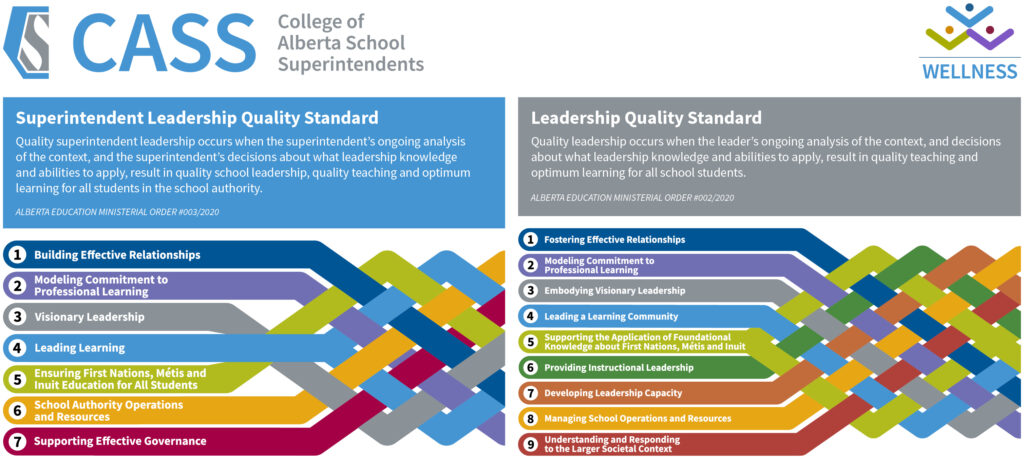
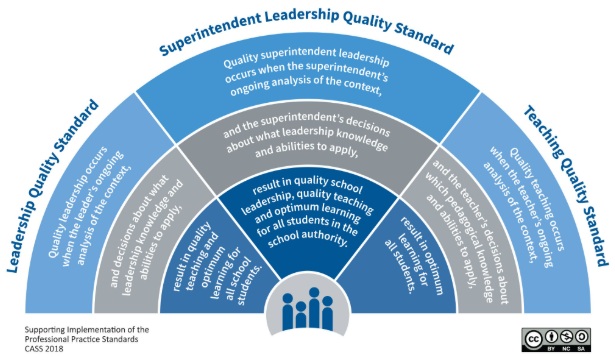
This session engages participants in the Building Thinking Classrooms pedagogy (Liljedahl, 2021), explores the learning opportunities this approach provides for both teachers and students, and presents the division-wide strategy GPCSD is using to support implementation of the framework across all subjects and grade levels. Liljedahl’s (2021) work aligns with the SLQS Visionary Leadership SLQS, specifically the expectation to provide learning opportunities grounded in research-informed principles of effective teaching.

In addition, the session supports the LQS Leading a Learning Community competency by cultivating a culture of high expectations for both students and staff. Engagement with the Building Thinking Classrooms framework strengthens leadership capacity within schools by identifying, mentoring, and empowering teachers in educational leadership roles. The framework supports instructional practices that promote authentic learning, student autonomy, curiosity, effective collaboration, and assessment practices aligned to learning outcomes. It also provides structured opportunities for instructional leadership through classroom walk-throughs and feedback processes that are focused, specific, and research-based.

As a result of participating in this session, participants will have the opportunity to:

  • participate in a Building Thinking Classrooms learning activity.

  • reflect on the research base underlying this approach.

  • engage in professional dialogue regarding pedagogical practices that support diverse learner needs.

  • examine the benefits of collaboration and shared professional knowledge that place students at the centre of the learning process.

About the presenters:

Dr. Jessie Shirley serves as superintendent of Grande Prairie & District Catholic Schools and is deeply committed to pedagogical approaches that are engaging and meaningful for both students and teachers. Jessie brings extensive experience as a classroom teacher, district lnad for Numeracy, coordinator for the Alberta Initiative for School Improvement, and assistant superintendent of teaching and learning. Jessie holds a master’s degree focused on the implementation of the Alberta K–9 Mathematics Program of Studies, as well as a doctorate from the University of Calgary examining High School Redesign and diverse pedagogical and assessment approaches that support engagement for all learners. Jessie has presented on mathematics and numeracy at a wide range of educational conferences at the local level (including school divisions and the NRLC), the provincial level (through College of Alberta School Superintendents and MCATA), and internationally through the National Council of Teachers of Mathematics (NCTM). Jessie believes strongly in the transformative role of the teaching profession in society.

Christie Watson is a results-driven educational leader with 19 years of experience across K–12 teaching and system-level administration. She currently serves as assistant superintendent of teaching and learning, where she leads a team of instructional coaches, oversees curriculum-focused professional learning, and mentors principals to strengthen system-wide instructional leadership and continuous improvement. Christie’s background includes extensive experience as a classroom teacher, complemented by leadership roles in high school administration and instructional coaching. Her expertise includes differentiated instruction, literacy leadership, and teacher mentoring. Over the past two years, she has led the district-wide K–12 implementation of the Building Thinking Classrooms framework. Christie holds a master’s degree in literacy and has completed advanced coursework in assessment, including study with Dr. Peter Liljedahl at Simon Fraser University.

Facilitator(s): Ray Hoppins & Kurt Sacher


For many system education leaders in Alberta, initiating and navigating crucial conversations (piercing the bubble) remains one of the most challenging and stress-inducing aspects of their role. Worry and avoidance surrounding these conversations often result in prolonged stress, disrupted sleep, and unresolved issues, making effective dialogue increasingly difficult over time. This session supports system education leaders in breaking that cycle with confidence and intention. Addressing difficult conversations with dignity is essential to the Superintendent Leadership Quality Standard (SLQS) competencies related to building effective relationships, leading learning, and school authority operations and resources. This collaborative session supports participants in strengthening both their skill and professional will in these competencies, with the goal of building trust across school authorities.

This highly interactive session moves beyond a traditional “sit and get” format to a “sit and give” learning experience. Participants focus on avoiding common pitfalls in sensitive situations and developing practical, immediately applicable skills. The session examines key elements of effective dialogue, including preparation, creating psychological safety, describing gaps with dignity, co-creating actions, and moving toward resolution. Participants also identify common “ways to make things worse” in order to recognize and avoid frequent leadership traps. The session includes real-life scenarios, structured discussion, healthy debate, research-informed tools, individual reflection, and simple, high-impact actions. A positive and engaging learning environment is fostered through purposeful interaction and shared learning. Participants leave with increased confidence and practical strategies to lead by example, reduce stress, and engage in crucial conversations with clarity and professionalism.

As a result of participating in this session, participants will have the opportunity to:

  • connect with colleagues through structured dialogue that examines real-life system education leadership scenarios and shared challenges.

  • reflect on personal leadership practices to identify strengths, gaps, and opportunities for growth in navigating complex situations.

  • apply a tangible, research-based resource to support effective decision-making and leadership actions in practice immediately following the session.

About the presenters:

Ray Hoppins partners with school authorities, post-secondary institutions, corporations, municipalities, and not-for-profit societies in growing leaders and inspiring teams. Prior to founding Hoppins People Services, he was blessed with a fulfilling 33-year career as a teacher, principal, system leader, associate superintendent, and chief human resources officer. Ray retired from the role of associate superintendent of people services with Chinook’s Edge School Division in 2024. For the past 26 years, he has facilitated workshops, short-courses and CASS sessions for system education and school leaders on topics such as leadership, communication, staff health and wellness, human resources, relationships and culture.

Kurt Sacher has over 39 years of experience in education and a proven record of system-wide leadership. He served as superintendent of Chinook’s Edge School Division for 15 years. Prior to that, he served for 8 years as the assistant superintendent of human resources for Wolf Creek Public Schools. His school-based leadership includes roles in B.C. and Alberta, culminating as principal of Lacombe Composite High School. A respected facilitator, he has led professional learning for more than a dozen school authorities and presented for CASS leadership programs for over two decades. Kurt served as CASS president (2018–19). He received the 2021 CASS EXL Award for Excellence in School System Leadership. Following his retirement, Kurt launched Sacher Solutions to provide executive and leadership coaching as well as leadership development services to organizations across Canada.

Facilitator(s): Shelley Greenwood, Lisa Lindsay, Loriann Stienwand, Dr. Edgar Schmidt


This session focuses on leveraging the roles of educational assistants (EAs) within school authorities. Recent survey findings from CASS members related to educational assistants are shared. School authorities also share insights and strategies related to the recruitment and retention of EAs. The session emphasizes the critical role of system education leaders in effectively supporting and working with educational assistants. A central focus is the identification of effective practices that system education leaders can implement to address recruitment and retention challenges. Stories of practice highlighting initiatives that have been implemented and those showing promise are explored.

As a result of participating in this session, participants will have the opportunity to:

  • reflect on current school authority practices to identify strengths and gaps in the recruitment and retention of EAs.

  • determine actionable strategies that support improved recruitment, retention, and effective utilization of EAs within school authorities.

About the presenters:

Shelley Greenwood is the director of learning services with Sturgeon Public Schools, where she leads a multidisciplinary team delivering learning supports, counselling and wellness, and therapeutic services. A collaborative, student-centred leader, Shelley values listening, trust, and partnership with teachers, families, and administrators to create safe, inclusive, and caring environments. She believes that when staff are supported and empowered, students thrive. Her leadership is grounded in equity, compassion, and a strong commitment to professional growth and student belonging.

Lisa Lindsay has dedicated her career to empowering students, supporting teachers, and equipping school leaders for success. Over more than three decades, she has served as a teacher, counsellor, vice-principal, principal, and, most recently, assistant superintendent of student experiences with Prairie Rose Public Schools. Across each role, her focus has remained consistent: ensuring every student has access to the supports, opportunities, and learning experiences needed to thrive. Lisa believes effective leadership is grounded in trust, collaboration, and accountability which she believes are principles that strengthen relationships and drive meaningful, sustainable change. In an ever-changing educational landscape, she brings deep experience and an unwavering belief in the power of education to open doors, ignite potential, and shape brighter futures.

Loriann Stienwand brings a diverse range of experience in education, having served as a teacher, school administrator, and director of inclusive learning with Foothills School Division. Her background also includes roles as a mental health in schools specialist with Alberta Education and as an education consultant with Alberta Health Services. Currently, Loriann serves as superintendent of Valhalla Charter School and works as an education consultant with the Calgary Board of Education, where she supports and advances mental health initiatives in schools.

Dr. Edgar Schmidt is an independent leadership consultant with CASS. He has a long career history in public education in Alberta. He has been a teacher, principal, supervisor, and superintendent. He is a retired associate professor, researcher, and dean of the Faculty of Education at Concordia University of Edmonton. Most recently he is interested in supporting educational leadership development, mentorship, governance, workforce planning, and applied educational research.


Facilitator(s): Tania Johnson, Kirsten Sweet, Shawna Warren


This session addresses the urgent need for system-level leadership in responding to the widespread societal shift associated with early and unrestricted access to smartphones and social media among youth. The session presents a practical case study demonstrating how a school authority partners with Unplugged Canada to move beyond device bans toward a comprehensive strategy that promotes healthy digital boundaries and meaningful, real-world connection. The approach reflects a proactive divisional response to emerging national trends related to youth mental health and digital dependency, while supporting effective governance through purposeful engagement with boards of trustees, school councils, families, and community partners to establish shared expectations and aligned policies related to digital well-being.

Participants explore how this initiative supports leading learning by fostering less fragmented learning environments, strengthening student relationships, and increasing focus and engagement. Practical tools, templates, and implementation processes are shared to support the adoption of the Unplugged Canada Pledge by families across the school community. Participants leave with actionable strategies to move from policy development to sustainable, system-wide practice that is grounded in developmental research and prioritizes student focus and well-being.

As a result of participating in this session, participants will have the opportunity to:

  • analyze an actionable system-level approach for responding to emerging societal challenges through evidence-informed leadership and strategic planning.

  • apply strategies that strengthen parent and community partnerships to support shared responsibility for healthy childhood development.

  • design a coherent, division-wide strategy that enhances learning environments and builds collective momentum around student well-being and focus.

About the presenters:

Tania Johnson is a registered psychologist and registered play therapist, co-founder of the Institute of Child Psychology, co-author of The Parenting Handbook, and co-host of The ChildPsych Podcast. She holds an honours degree in psychology from South Africa and a master’s degree in counselling from City University of Seattle. Tania brings a diverse professional background that includes teaching in Taiwan and providing specialized psychological support within the stem cell unit at Cancer Treatment Centres of America. Her commitment to children’s well-being also extends beyond her professional practice, having served as a foster parent for five years. Tania’s work is grounded in attachment theory, with a focus on strengthening the relationships between children and their caregivers. She divides her time between clinical work with families, supervising emerging therapists, and delivering workshops on children’s mental health. She is widely recognized for her ability to translate complex psychological research into practical, evidence-informed strategies that educators and parents can apply immediately in everyday contexts.

Kirsten Sweet serves as national program director at Unplugged Canada and brings 17 years of classroom experience across special education and regular programming. She also serves as vice chair of her school council. Kirsten’s career focuses on system-level coherence, with contributions to school-wide planning, assessment design, and integrated, student-centered learning models that support deep understanding and transferable skills. In her role at Unplugged Canada, Kirsten leads grassroots and chapter development initiatives nationwide and advances educational programming for families. She works collaboratively with school and system education leaders to align national priorities with local implementation, with a strong emphasis on student mental health and online safety. Kirsten holds Arts and Education degrees from Concordia University and a master’s degree from the University of Alberta, with graduate studies in instructional design, assessment literacy, and interdisciplinary learning. Known for her action-oriented leadership, Kirsten supports schools and school authorities through practical tools, templates, and implementation processes that enable effective adoption of the Unplugged Canada pledge across communities.

Shawna Warren is the superintendent of Sturgeon Public Schools and brings more than 30 years of experience in public education. She has served in a range of leadership and teaching roles, including associate superintendent, director, principal, vice principal, and classroom teacher. Born and raised in southern Alberta, Shawna has spent her entire career working in rural school divisions and remains deeply committed to the role of public education in strengthening rural communities and supporting student success close to home. Shawna holds Arts and Education degrees from the University of Lethbridge and a master’s degree from the University of Alberta, with a focus on trauma, the brain, and learning. Her leadership is grounded in creating welcoming, caring, respectful, and inclusive learning and working environments where trust, well-being, and high expectations coexist. A collaborative and solution-focused leader, Shawna is committed to continuous professional growth and reflective practice, with a current focus on responding to emerging research on digital environments and children’s well-being.

10:30 - 10:45 a.m. - Professional Networking & Transition Break

10:45 a.m. - 12:00 p.m. - Alberta Stories of Practice / Research-based Breakout Sessions

Facilitator(s): Dr. Erika Nelson & Dr. Jodie Mattia


School leaders operate in a relentless “fishbowl,” facing ongoing scrutiny from both the physical communities they serve and the digital spaces they cannot control. This session synthesizes findings from two 2025 doctoral studies to examine the visibility paradox of contemporary educational leadership and its implications for the Superintendent Leadership Quality Standard (SLQS) and the Leadership Quality Standard (LQS).

Dr. Erika Nelson explores The Power of the Post, illustrating how parental social media use creates a digital panopticon that erodes principals’ professional identity. Her role conceptualization continuum demonstrates how school leaders experience and respond to online external criticism in differing ways. Dr. Jodie Mattia examines the “rurban” context, where the heightened visibility of small communities, the “50-foot videotron,” fosters a culture of martyrdom that prevents education leaders from granting themselves the internal permission necessary to sustain wellbeing.

This session explores how an “always-on” culture, whether driven by everyday visibility in small communities or by digital discourse, undermines the internal permission required for genuine wellbeing. Moving beyond a lecture-based format, the session uses interactive movement and collaborative problem-solving to support system education leaders in identifying “identity traps” within their school authorities. Participants co-construct strategies to help principals disentangle self-worth from role identity, fostering the internal permission required for sustainable leadership. Beyond generic self-care approaches, the session offers system education leaders evidence-informed strategies to scaffold internal permission and protect school leaders from identity erosion.

As a result of participating in this session, participants will have the opportunity to:

  • examine the impact of digital and rurban surveillance on school leader “identity fusion.”
  • co-construct systemic strategies that empower education leaders to overcome guilt and fear to grant themselves the internal permission required for sustainable leadership.

About the presenters:

Dr. Erika Nelson (PhD, 2025) is an instructor at the University of Alberta and an instructional designer. Her doctoral research, “The Power of the Post,” investigates the impact of parental social media use on the professional identities of K-12 principals. A bilingual leader with Ministry experience in the ATPC and school administrator, Erika specializes in navigating the intersection of legislative policy, digital surveillance, and leadership formation. She currently teaches Law, Ethics, and Leadership Foundations to pre-service and graduate students.

Dr. Jodie Mattia (PhD, 2025) is a superintendent of schools at Wild Rose School Division and a researcher focused on the complexities of “rurban” school leadership. Her doctoral work identifies “internal permission” as the critical missing link between wellness policy and practice, exploring how the lack of anonymity in rural communities impacts leader wellbeing. As a system education leader, Jodie is committed to operationalizing research to create organizational cultures that disrupt the “martyrdom” narrative and support sustainable educational leadership identities.

Facilitator(s): Dr. Kathy Look Howery, Carol Rainey, Krista Ralph


This session shares one school authority’s journey in addressing the communication, language, and literacy development of students with complex communication needs (CCN). Guided by the Essential Components of Educational Programming for Students with Complex Communication Needs, Lakeland Catholic School Division fosters an inclusive learning environment in which diversity is valued and high expectations are maintained for all students, including those with CCN.

Central to this work is the division-wide adoption of the Pragmatic Organization Dynamic Display (PODD) as a universal aided Augmentative and Alternative Communication (AAC) system to support communication and language development. The division also implements Readtopia, a comprehensive literacy program for upper elementary, middle, and high school students with complex learning needs, including autism. Adopting PODD as a universal system enables consistent training for educational assistants, classroom support teachers, teachers, parents, and peers, supporting shared understanding and effective communication across classrooms and schools.

As staff and students become increasingly familiar with PODD, meaningful inclusion of students with CCN is strengthened. The consistent use of a common AAC system creates efficiencies in human, physical, technological, and financial resource allocation and enables staff to support one another across settings. PODD also encourages symbol-based descriptive language instruction that benefits students beyond those initially identified with CCN.

Drawing on principles of developmental evaluation (Patton, 2011), the division tracks student progress and system-level change. The session shares student case examples, staff reflections, and professional insights, highlighting both successes and challenges. Participants engage in hands-on learning with the PODD language system and participate in reflective discussion focused on effective programming for students with CCN.

As a result of participating in this session, participants will have the opportunity to:

  • examine the benefits and challenges associated with adopting a division-wide, universal aided language system for students with complex communication needs.

  • understand the rationale for selecting the Pragmatic Organization Dynamic Display (PODD) language system and the strategies used to support its division-wide implementation.

  • recognize the role of language development as the foundation for learning and literacy.

  • explore the features and practical application of the PODD language system.

  • reflect on current practices in relation to the Essential Components of Educational Programming for Students with Complex Communication Needs.

About the presenters:

Dr. Kathy Look Howery is an educational consultant and a sessional lecturer at the University of Alberta. She provides ongoing consultation to Alberta school jurisdictions in the areas of special education; support for children and youth with complex communication needs in the development of language and literacy skills; and universal design for learning (UDL). Her research focuses on the lived experience of individuals who use augmentative and alternative communication (AAC). She currently serves as President of International Society for Augmentative and Alternative Communication (ISAAC) Canada and has held leadership roles with the Inclusive Learning Network of the International Society for Technology in Education (ILN/ISTE) and the Universal Design for Learning–Implementation and Research Network (UDL-IRN).

Carol Rainey is the director of inclusive education and student wellness for Lakeland Catholic Schools. She has more than 30 years of experience in education and is responsible for ensuring the effective implementation of inclusive education and student wellness programming across the division. Carol works collaboratively with the System Excellence Team to support initiatives that strengthen inclusive education services, ensure accountability for program delivery at the school level, and advance division-wide strategies that promote student well-being, mental health, and holistic success.

Krista Ralph is a registered speech-language pathologist with more than 20 years of experience in preschool and school-based settings. Her professional focus includes early language development, articulation, and fluency. In recent years, she has worked closely with school teams to support children with complex communication needs, ensuring access to the tools, strategies, and supports required for effective language and literacy learning.

Facilitator(s): Dr. Bonnie Stelmach, Dr. Edgar Schmidt, Dr. Peter Barron


Alberta is not alone in facing persistent challenges around rural teacher and leader recruitment and retention; this is a global challenge (Symeonidis et al., 2025). Concepts like urbanormativity (Fulkerson & Thomas, 2019), metrocentricity (Campbell & Yates, 2011), and mobility imperative (Corbett, 2020) help explain why rural schooling remains entrenched in deficit discourse. There is pressing need to understand how these assumptions might be challenged in order to seek effective responses to workforce shortages and turnover. What recruitment and retention practices have made positive impacts, particularly in light of recent disruptions such as COVID and the Fall 2025 labour action? What would it take to shift the narrative about rural schools and communities from negative stereotypes to an ”opportunities view” ?

This session brings together two Alberta research studies that illuminate the complexities of rural recruitment and retention from both system-level and pre-service teacher perspectives. The first study, the Education Workforce Study (CASS, 2024), highlights workforce pressures, regional variations, and strategies reported to strengthen retention and attract qualified candidates. Complementing this system-level view, the second study examines how pre-service teachers perceive rural schools and communities, and the personal and professional factors shaping their decisions to pursue or not pursue a rural teaching position. Participants will consider these findings in light of their own contexts to guide future workforce planning.

To expand the conversation, the session introduces an innovative initiative implemented in remote Australian communities that fostered school-university-community partnerships, and may fuel creative solutions for rural teacher recruitment and retention. The session invites system education leaders to critically discuss educational research and its application to local workforce concerns, engaging in problem definition aligned with the professional practice standards, including data-informed strategic planning, responding to changing contexts, and building capacity for school authority excellence.

As a result of participating in this session, participants will have the opportunity to:

  • apply evidence from Alberta-based research and international innovation to analyze local recruitment and retention data, identify contextual workforce pressures, and inform data-informed strategic planning at the school and system levels.
  • critically examine how deficit-based assumptions about rural schools and communities shape recruitment and retention challenges, and consider how reframing these narratives can support more equitable and sustainable workforce strategies.
  • explore leadership approaches that build capacity through partnerships, including school-community-university collaboration, to strengthen rural teacher recruitment and retention and support long-term school authority excellence in changing social, economic, and policy contexts.

About the presenters:

Dr. Bonnie Stelmach is a professor in the Studies in Educational Leadership Program in the Faculty of Education at the University of Alberta. Being a graduate of Andrew School, and former teacher and leader in rural and northern Alberta have shaped her longstanding commitment to research that strengthens rural schools and communities.

Dr. Edgar Schmidt is an independent leadership consultant with CASS. He has a long career history in public education in Alberta. He has been a teacher, principal, supervisor, and superintendent. He is a retired associate professor, researcher, and dean of the Faculty of Education at Concordia University of Edmonton. Most recently he is interested in supporting educational leadership development, mentorship, governance, workforce planning, and applied educational research.

Dr. Peter Barron is the superintendent of St. Paul Education. During his 42 years in education, he has served as superintendent of Wetaskiwin Regional Public Schools and Clearview Public Schools, and previously held teaching and school administration roles with Elk Island Public Schools. He earned his Doctorate at Western University, where his research examined how implicit bias and deficit thinking can negatively affect Indigenous students’ achievement and high school completion.

Facilitator(s): Dr. Jennifer Turner


Schools play a critical role in promoting well-being, identifying emerging mental health needs, and intervening early, before challenges escalate. This session examines how a large, diverse school authority implements a research-informed continuum of supports and services that integrates universal promotion, targeted early intervention, and individualized, wraparound care to strengthen student well-being and mental health outcomes. Grounded in Alberta Education and Childcare guidance and informed by a multi-year research–practice partnership, the session highlights how a staged, tiered approach reduces uncertainty for educators, improves consistency across schools, and ensures students receive the right support at the right time. Participants explore key elements of implementation, including collaborative team structures, assessment and screening practices, clearly defined processes and service pathways, and the strategic use of data to guide decision-making and monitor impact.

Designed for system education leaders, school administrators, and mental health professionals, this session offers practical insights into how coherent, evidence-informed frameworks support equitable access, early identification, and responsive mental health care, creating the conditions in which all students can thrive.

As a result of participating in this session, participants will have the opportunity to:

  • examine key components of a research-informed, tiered continuum of mental health supports and services, including collaborative structures, assessment and screening practices, and data-informed decision-making.
  • identify practical strategies for implementing coherent, system-level frameworks that promote early identification, equitable access, and responsive mental health care across diverse school contexts.

About the presenter:

Dr. Jennifer Turner is the superintendent of school improvement with the Calgary Board of Education and a former director of the Centre for Wellbeing in Education at the Werklund School of Education, University of Calgary. She has served as a superintendent, assistant superintendent, principal, teacher, and registered psychologist, bringing extensive system-level leadership experience. Her research and leadership focus on school-based mental health promotion and intervention, system improvement, equity for diverse learners, and the cultivation of collaborative partnerships that support both student and educator wellbeing.

Facilitator(s): Kylie Kissel


The process of filtering, organizing, and presenting Provincial Achievement Test (PAT), Diploma, and Alberta Education Assurance Measure (AEAM) reports is often time-intensive and complex for school divisions. Red Deer Catholic Regional Schools has revised its approach to make this critical data more accessible, coherent, and actionable for school leadership teams. This session focuses on practical strategies for transforming raw Alberta Education data into a clear format that supports timely interpretation and informed decision-making. Participants will engage with innovative and efficiency-focused templates developed in Google Sheets designed to streamline AEAM report analysis. During the session, participants will work directly within the templates and leave prepared to apply them to their division-level data for the fall 2026 reporting cycles. These templates are designed to support consistency, reduce preparation time, and improve data assurance processes. The templates shared during the presentation will prepare you for the Fall 2026 cycle so you will be able to quickly create school documents similar to these AEAM Summary and Analysis and the High School Diploma Data Analysis pages.

This session demonstrates how these tools significantly reduce the time required to prepare data, completing tasks in a fraction of the time previously required, while improving clarity and usability. Participants will explore practical methods for demystifying raw AEAM results and presenting data so that leadership teams can quickly understand and act upon it. We will also highlight the flexible and scalable architecture of the templates, which can be adapted for school divisions of various sizes, particularly those serving up to and around 40 schools. To prepare for the session, it would be beneficial to have the following 2025 spreadsheets uploaded to your Google Drive (not a shared drive) before the presentation:

  • school authority Summary Report- Survey Questions,
  • Excel data summary (for each school),
  • school authority schools’ achievement test results, and
  • school authority schools’ diploma exam results.

As a result of participating in this session, participants will have the opportunity to:

  • transform raw Alberta Education data into a presentable, coherent, and highly accessible format that school leadership teams can quickly interpret.

  • apply data insights to inform timely, evidence-based actions and decision-making at the school and system levels.

About the presenter:

Kylie Kissel is the director of learning services for Red Deer Catholic Regional Schools, dedicated to developing and implementing innovative, system-wide solutions to manage the school authority’s complex needs and address barriers to learning. Bringing a broad background of over 10 years, Kylie’s experience includes provincial support for education technology initiatives, expansion of dual credit and career pathway programs, and, most recently, challenging traditional school design. A lifelong learner, Kylie is always excited to connect and share recent initiatives with other school authority leaders.

Facilitator(s): Danica Martin & Lori Meyer


CASS conducted a qualitative research study to explore how system education leaders in Alberta perceive and enact their responsibilities in addressing aggressive student behaviours. The research examines both the proactive strategies system education leaders implement to prevent aggression and the reactive responses employed when incidents occur. The purpose of the study was to identify system-level conditions, policies, and practices that support safe, inclusive, and responsive school environments.

This session provides participants with an opportunity to engage with the research findings, contribute additional insights, and make connections to their own leadership roles and system contexts. The session also supports collective reflection on how evidence-informed approaches can strengthen consistency, decision-making, and capacity at the system level.

As a result of participating in this session, participants will have the opportunity to:

  • engage with the findings of the research study on aggressive student behaviours and examine how system education leaders perceive and enact their responsibilities across diverse contexts.
  • provide further input on the findings and make connections to their own system education leadership roles, policies, and system practices to strengthen safe, inclusive, and responsive school environments.

About the presenters:

Danica Martin has over 20+ years of experience in educational leadership roles at the school and system level. Most recently, Danica was an assistant superintendent of education services with a central Alberta school authority. She has led a variety of complex teams and worked strategically with them to build leadership capacity and cohesion in an inclusive education system. Danica holds a Master of Education degree in Educational Leadership as well as a Bachelor of Education degree. Additionally, she is a certified Working Genius facilitator and a certified professional and business coach. Currently, Danica is an independent CASS leadership consultant.

Lori Meyer is the Associate Superintendent of Learning for Rocky View Schools (RVS), a position she has held since joining RVS in February 2021. In addition to her responsibilities for curriculum, instruction, assessment, supporting Indigenous learning and technology, Lori has been a long time advocate for inclusion and is passionate about ensuring that all students experience school in the most inclusive way possible. 

Facilitator(s): Dr. Mat Campbell


Mobilizing knowledge generated from a recently-completed doctoral research project, this session will explore the nexus of system leadership, team dynamics, and equity-related policymaking. Through the lens of the experiences of seven system education leaders from across Canada with minoritized identities, this study surfaced insights that made clear the increasingly complex and politically-charged landscape facing system leaders when they tackle value-laden social issues such as educational inequities.

As key levers of systemic educational transformation, system education leaders often turn to policy development and implementation as a way to cascade coherent change throughout their school authorities. And, in most circumstances, the associated policymaking processes are undertaken in a collaborative manner, which is influenced by the personal contexts (e.g., identities, experiences, beliefs, values) of the various team members. This is complicated further by the fact that system education leaders often transition from school to system leadership with little preparation for policymaking demands, especially those related to politically-fraught matters.

Through a blend of the sharing of scholarship, reflections from the field of practice, and collaborative dialogue, participants in this session will explore the following questions within three broad frames: System frame: (a) How do school authorities respond to educational inequities in a politically-polarized climate? (b) What should system education leaders understand about the current educational landscape for minoritized students and teachers? Team frame: (a) What collaborative policymaking processes contribute to high-quality and effective policy? (b) To what extent do team dynamics and social integration influence team functionality? (c) How do system leadership teams engage in organizational learning when engaging with equity matters? Personal frame: (a) How do the personal contexts of system leaders influence team processes and subsequent decision-making? (b) To what extent do system leaders use tactical framing to advance equity matters in a complex and politically-charged landscape?

As a result of participating in this session, participants will have the opportunity to:

  • engage with new scholarship, practical reflections, and collaborative dialogue to analyze how identities and team collaboration influence equitable policymaking amidst a complex and politically-charged leadership landscape.

About the presenter:

Dr. Mat Campbell is the director of curriculum, instruction, and assessment with Fort McMurray Catholic Schools; however, for this session, he is stepping beyond the scope of his “day job” to mobilize knowledge generated from his recently completed doctoral research study at the University of Calgary. This Canada-wide project focused on system education leadership, equity-related policymaking, and the influence of leader positionality on system-level decision-making. Mat is happy and proud to have called Fort McMurray home for the past 16 years and, prior to his system education leadership, he served as a school administrator, division learning coach, and high school science teacher.

12:00 p.m. - Lunch to Go, Optional Time for School Authority Teams to Meet

THANK YOU TO OUR SUPPORTERS

X

PLATINUM SPONSORS

Nelson is Canada’s leading K–12 educational publisher and we have remained dedicated to our legacy of looking forward for over a century. Our commitment to the individualized needs of students, teachers, and administrators continues to fuel our innovation as an educational partner. In 2017, these efforts manifested in Edwin, Nelson’s revolutionary digital platform that provides a common experience for deep, trusted content and boundless learning pathways. Nelson’s visionary digital transformation embodied our promise of equitable, inclusive, and engaging experiences for all teachers and students.



Vita (formerly Intellimedia) brings together business intelligence, forms, and workflows in a single education platform, using AI to help schools automate processes, improve communication, and make smarter, data-informed decisions.

Our new website is www.vitaone.io


DOCEO / ‘DO.KE.O: / AI focuses on making sense of data using AI.

DOCEO AI leverage existing data created and gathered across classrooms, schools, and districts to predict challenges, and recommend strategies to support student learning and staff support. DOCEO AI’s platform enhances efficiency, amplifies productivity, and support actionable insights.

DOCEO AI developed CLARIO, a secure, role-aware, AI-powered chat application that enables educators, parents, students, and staff instantly access trusted internal and external documents and policies through natural conversations. CLARIO enhances human-machine collaboration by making institutional knowledge accessible and actionable for all stakeholders.


ExploreLearning® creates seriously fun ed tech solutions for the most critical challenges in K-12 STEM learning. Effective and fun, our programs help students not only succeed at math and science, but also love it as much as we do. Learn more about Gizmos®, Reflex®, Frax® and Science4Us® at www.explorelearning.com.


For over 15 years, Vretta has specialized in modernizing assessment and learning solutions that measure and support student success, working in close collaboration with ministries of education, assessment agencies, and certification bodies to implement large-scale assessments that enhance student outcomes and empower students to succeed academically and beyond.

Working in partnership with the Ministry of Education in Alberta, Vretta is the technology provider for the provincial assessments administered across the province. Vretta also currently works with the following school boards in Alberta for their end of the year internal common exams: Conseil scolaire Centre-Nord (CSCN), FrancoSud, and Conseil scolaire Centre-Est.

GOLD SPONSORS

Hexagon Psychology is a private mental health clinic based in Airdrie, Alberta, offering in-person and virtual psychological assessments and counselling for children, teens, and adults across Canada.

Our team pairs compassionate care with advanced technology to remove barriers and deliver evidence-based support for individuals, families, and communities to overcome challenges and thrive at every life stage.

Whether you are seeking support for yourself or a family member, our experienced team is here to help support from all angles. Visit www.hexagonpsychology.ca to learn more or to connect with us.


Canada’s Edsby has been building award-winning software for education for over thirty years. The company’s close relationships with education customers across the country and elsewhere in the world have given it insights into problems faced by teachers, students, parents, and administrators. This gave the team inspiration in 2010 to create its Edsby platform, a completely new digital learning and data foundation for K-12 districts, regional and national governments using the latest software technology. Edsby’s latest Destinations system enables K-12 education organizations to make outcomes-based education possible at scale. Destinations works with existing software systems to enable assessment and reporting against local outcomes, and shows every student and their parents exactly where they are in their learning journey.


Eos Learning is a passionate team of educators and edTech specialists who provide consulting services and professional learning to support educators and research-proven technology tools for students of all grades and abilities to support literacy, language development, numeracy and wellness. Eos Learning’s carefully curated, high-quality tools and thoughtful partnerships ensure that students achieve their highest potential and that teachers receive meaningful support that reflects the needs of their respective communities. We are proud, sole source providers of Lexia Core5 Reading, Lexia PowerUp Literacy, Lexia English Language Development, Symphony Math and School21 throughout Alberta. Our team is committed to ensuring that all our work aligns with ministry initiatives and provincial priorities.


Cuming & Gillespie LLP is a premier and nationally recognized contingent litigation and class action boutique operating out of Calgary, but we handle claims across Alberta and Canada. We have extensive class action and mass action experience in Alberta, certifying the first-class action in this province and acting as lead counsel on many industry-wide claims including pay day loans, pharmaceutical claims and investor fraud.

Craig Gillespie and Laura Comfort are partners at Cuming & Gillespie LLP. Both Craig and Laura have vast experience in the class action and mass torts space, having most recently been involved in the Tobacco litigation and settlement, one of the largest class action settlements in Canadian history at $32.5 billion. With combined experience of over 25 years, Craig and Laura seek to inform and educate school boards across Alberta about the process and benefits of participating in the active social media litigation in Canada.


Intact Public Entities has helped Canadian community services meet their complex insurance needs for over nine decades. We have the stability and history to support you with a sustainable and trusted insurance program.

With Intact Public Entities, you receive broad, inclusive policies that help to cover your community service organization. Our partnerships with stable, reliable insurers mean we’ll be here for you as your needs change and your organization grows.

We understand the importance of offering best-in-class products and services that make it easier for you to do business with us. For more information visit intactpublicentities.ca.

SILVER SPONSORS

A lot has changed since Zaner-Bloser was originally founded in 1888 by Charles Paxton Zaner & Elmer Ward Bloser. Back then, penmanship wasn’t just a skill—it was a profession, and Charles Zaner’s College of Penmanship was where you went to learn it. Over the past century-plus, we’ve perfected our approach to teaching cursive and manuscript while expanding our library of literacy- and math-based learning solutions. In addition to the best-selling ZB Handwriting, our portfolio has grown to include The Superkids Reading Program for K–2, Spelling Connections spelling and word study curriculum, Canadian math guru, Graham Fletcher’s Building Fact Fluency resources, materials to support elementary social-emotional learning (SEL), and more. And while we continue to expand our solutions to meet the evolving needs of teachers and students, we remain committed to helping students develop the foundational skills necessary to think creatively, communicate effectively, and learn joyfully.  We’ve worked with a number of schools, divisions and districts across Alberta.


Apptegy partners with school divisions to simplify communication, elevate their brand, and empower every role in their organization. We do our work differently to create an unmatched client experience. We know that when schools have the right tools and support, they can focus on what matters most: educating, engaging, and growing their community.


Matific is an award-winning and pedagogically rigorous mathematics learning platform used by millions of learners world wide every day. Designed by pedagogical experts and developed with a goal of providing a deep conceptual understanding of the foundational building blocks in K-9 mathematics. Matific’s vision is to provide every child in every country with a mathematical experience of the highest possible quality. To achieve this, we place our pedagogical principles at the heart of everything we do.

Matific has Alberta’s curriculum in every assignment, can be used in over 50 languages and is the #1 leading numeracy resource throughout Alberta.


EF Educational Tours is the world’s leading international student travel organization and is a division of EF Education First. EF Educational Tours has offered educational travel opportunities for Canadian students – including Alberta students – since 1985. Through enriching experiences beyond the classroom, Albertan students make important subject and curricular connections and put into practice the 8 provincial cross-curricular competencies; these students also gain new perspectives and become true global citizens.


Janus Academy supports K–12 education in Alberta by providing specialized, evidence-based programming for students aged 6–18 diagnosed with Autism Spectrum Disorder (ASD). Our school delivers individualized instruction grounded in Applied Behaviour Analysis (ABA), with both low- and high-student-to-teacher ratio classrooms across all grades. Programming focuses on communication and language development, academic and learner skill growth, and social and classroom readiness, all aligned with Alberta Education’s Program of Studies and modified to meet each student’s unique needs. In addition to direct student programming, Janus Academy extends its impact through community workshops, professional learning opportunities, and conferences across the province such as Palliser District, Alberta Independent Schools and Colleges in Alberta that equip Teachers, and other professionals with practical, classroom-ready strategies to support learners with autism.


The Alberta School Employee Benefit Plan (ASEBP) has been a part of Alberta’s educational landscape for more than half a century. ASEBP serves Alberta’s publicly funded K-12 education sector, providing health and wellness benefits for more than 66,000 covered members and more than 84,000 dependants across 73 school boards and education associations. Coverage includes extended health, dental, vision, life insurance, and disability support. ASEBP also offers health and wellness spending accounts, an Employee and Family Assistance Program, and continued retiree benefits through the MyRetiree Plan.


IXL is personalized learning with custom build skills to match the Alberta Curriculum for Math and ELA K-12 and Science K-10.  It adapts to students as they practice, so that students are always challenged with personalized questions at the perfect level of rigor.  IXL’s Real-Time Diagnostic assesses students’ grade level proficiency on key math and English language arts strands. Our analytics helps teachers deliver data driven instruction.


ARTA supports an engaged lifestyle after retirement through member-centred services, advocacy, communication, wellness and leadership. Members of CASS are eligible to join ARTA and apply for one of ten Benefit Plans available. ARTA offers a variety of coverage levels for extended health care, emergency travel coverage and dental care. With an ARTA membership, members of CASS will also be eligible for the ARTA Perks discount program, the ARTA scholarship program, various wellness initiatives and much more.”


WCES supports Alberta schools by reliably testing classrooms for high levels of radon to reduce the risk of lung cancer for both students and staff.  Our services are delivered by professionals who have many years of experience working in the K-12 environment both as teachers and administrators. WCES radon testing will not impact the day to day routines of your schools. WCES can also provide a communication package that can be used to communicate the purpose, process and results of radon testing as required by the client school division. WCES provides a frictionless radon testing experience for Alberta school jurisdictions.  Please contact us for more information.



Insignia is an Edmonton-based company, offering software solutions to schools throughout Canada since 1999. In the Canadian K12 market, we are a leading library automation system provider.

Insignia Library System is a comprehensive library automation system for K-12, public, academic, and corporate libraries and offers more fully integrated features than any other system on the market. This includes the Library Manager, Textbook Manager, Asset Manager, Room Booking, Event Scheduler, Patron Monitoring System, Serial Manager, Acquisition Manager, Summer Reading Program, Smartphone App, and more.

We are introducing Insignia Student Management System (ISMS), our newest software solution that tailors to the needs of Alberta school boards. We look forward to highlighting the intuitive and feature rich nature of ISMS. Integrated modules are inclusive of, but not limited to the following: Attendance, Fees, Grading, IPP, Lunch, Enrollment / Registration, Report card, PASI updates and much more!  We would like to hear from you as to what we can do to make our solution the best fit for you.


D2L is a global education technology company helping K‑12 districts deliver modern, engaging learning through Brightspace—an intuitive and secure learning management system (LMS). Designed for teachers, students, and families, Brightspace supports personalized, inclusive, and flexible learning across all grade levels. With built-in tools like Activity Feed, Portfolios, Quizzes, and Intelligent Agents, educators can streamline instruction, save time, and provide real-time feedback. The platform also supports asynchronous professional development, helping teachers grow without disrupting their schedules.

Brightspace is fully accessible, mobile-friendly, and WCAG 2.1 compliant, ensuring every learner has equitable access. Add-ons like Performance+ and Creator+ enhance content delivery and data-driven insights.

D2L partners closely with districts to support smooth LMS transitions, offering migration, training, and change management. Trusted by schools across North America, D2L empowers educators and students to achieve more than they thought possible. Learn more at www.D2L.com.


Built in Canada. Proven in Alberta.

Clevr is the leading form and workflow solution for Canadian K-12 districts. With a footprint in 24 Alberta School Divisions, we help educators move beyond manual paperwork and siloed data. Our platform centralizes everything— from IPPs to EAL benchmarks — into intelligent, pre-populated workflows that save time and improve accuracy. Join a community of over 4,000 smart forms and see how Alberta divisions are leveraging Clevr to create more efficient, data-informed school environments.

BRONZE SPONSOR

Professional Learning, Faculty of Education, University of Alberta

The Faculty of Education, through its Professional Learning programs and courses, provides high-quality educational experiences for teachers and school leaders in a wide variety of school settings. Our programs go beyond lectures, providing in-service teachers and school leaders with opportunities to engage in authentic tasks and experiences directly linked to their professional needs. We support teachers and school leaders in all stages of their careers with part-time, flexible, online and blended learning options:

  • The Graduate Certificate in Educational Studies (GCES) is for teaching professionals and other educational specialists seeking advanced professional learning. Disciplinary focus areas in the Certificate include: Contemporary Literacy Education K-9, Elementary Music Teaching and Learning, Indigenous Education, Mathematics Education, Mentoring and Leadership, Prison Education, School Librarianship, Science Education, Teaching English Language Learners, Teaching Students with Complex Communication Needs and Technology in Education. Most are offered fully online, with some synchronous components; Indigenous Education is offered on-campus in the summer; Elementary Music Teaching and Learning is a blended-delivery program.
  • The Graduate Certificate in School Leadership (GCSL) provides opportunities to enhance your skills as a school leader, or aspiring leader, by observing and collaborating with a school leadership team of your choice. Courses fulfill the academic requirements for Alberta’s LQS and SLQS certification, and are offered fully online with some synchronous components.

These graduate certificates can ladder into a variety of M.Ed. programs at the U of A, including the Master of Education in Educational Studies.

Become an advocate of change and create thriving learning environments in your school. Visit uab.ca/edgrad for all of our exciting learning opportunities.

IN-KIND SPONSOR

Preferred Massage Therapy is an award-winning, Indigenous woman-owned workplace wellness company operating since 2004. We provide onsite chair massage and ergonomic services that help reduce stress, ease muscle tension, and promote resilience in high-demand work environments across Alberta and diverse professional sectors.

Attendees are invited to enjoy brief, fully clothed chair massage sessions throughout the two-day event, designed to reduce stress, ease muscle  tension, and we are happy to sponsor these sessions for you.