
Kwayask-wastâsowin for Student Success
ᑿᔭᐢᑿᐢᑖᓱᐏᐣ
April 22 – 24, 2026
River Cree Resort, Enoch
Treaty 6 Territory

 2026 Program at a Glance
Our kêhtê-ayak, elders tell us that as indigenous people, we have no “concept” of reconciliation in our language. They teach that this is not without reason and when asked about it, the general response is that in our culture, we have deep teachings about never breaching the natural order so there should be no transgression so terrible to require reconciliation. With that in mind, the term kwayask-wastâsowin is used to refer to “making things right” when wrongs are done. We have many words for forgiveness or forgiving as we learn at an early age that learning to forgive is one of the hardest things to learn but once we learn to forgive, it frees our spirits and cleanses our minds to live in a good way. (Wapastim, White Horse, Jason J Bigcharles)
The CASS block at the hotel is now sold out. Please contact the hotel to be added to their waitlist in the event of last-minute cancellations.
We have arranged an overflow block at the Fantasyland Hotel, approximately 11 minutes from the River Cree Resort, with shuttle service every 30 minutes. The block rate is $209+taxes. Individual reservations can be made by contacting the Reservations Department directly at (780) 444-3000 or toll-free 1-800-737-3783. Callers MUST mention they are attending “College of Alberta School Superintendents” or provide the Group Code# 04COL to receive the negotiated rate. Guests can also use online booking link: Reserve Your Room. Reservations are due no later than March 24, 2026.
Cost: $625.00 + GST (Early Bird)
Early bird rate ends March 22, 2026
View Cancellation Policy
Goals for the First Nations Métis and Inuit Education Gathering include:
- an increase in understanding how to apply foundational knowledge about First Nations, Métis and Inuit for the benefit of all students;
- an increase in capacity building to meet the learning needs of First Nations, Métis and Inuit students;
- an increase in understanding how to engage and collaborate with First Nations, Métis and Inuit leaders, Elders, communities and organizations; and
- an increase in awareness and understanding of how to implement and lead practices that support reconciliation within our schools, school systems, and communities
These goals are in support of the Ministry of Education’s outcomes to:
- provide supports for First Nations, Métis and Inuit student success.
- ensure all Alberta students are knowledgeable, understanding and respectful of the rich diversity of First Nations, Métis and Inuit cultures.
- engage and support First Nations, Métis and Inuit people in fulfilling their vision for a Kindergarten to Grade 12 education system that honours Indigenous history, cultures, languages and perspectives.
- build strong relationships with schools and school authorities, First Nations and Métis governments, and other Indigenous communities and organizations – to inform and foster policy, programs and promising practices that improve First Nations, Métis and Inuit student outcomes.
| RESOURCES |
CASS resources to support your learning in this area include:
- Understanding, Honouring and Learning Cultural Protocol in Relationship with Indigenous Peoples and Communities
- Establishing and Maintaining Respectful Relationships for Student Success: Education Service Agreements
- Guide to Relationships and Learning with the Indigenous Peoples of Alberta
- Improving Success for Indigenous Students
- Learning Guides:
- Learning Guide – A Virtual Circle with Elders
- A Virtual Circle: Najuna Ats’ila-hi – Embodying the Spirit and Intent of Treaty for Student Success
- A Virtual Circle: Bridging Traditions – The Influential Role of Indigenous Knowledge Keepers in Provincial Education Systems
- A Virtual Circle: ᒥᔪᐃᐧᒉᐦᑐᐃᐧᐣMiyo Wicehtowin: Building Relationships through School-Community Voices.
Disclaimer: Any other non-CASS resources being shared at this Gathering are intended for consideration and informational purposes only. Delegates are encouraged to exercise judgment and discretion when utilizing these resources, and to respect the authority of their school authorities regarding resource selection.
| PRE-CONFERENCE SESSIONS (Six Options) |
In this session, participants will have an opportunity to learn female pipe teachings from a Blackfoot pipe holder.
In this session, participants will have an opportunity to learn male pipe teachings from a Blackfoot pipe holder.
You are invited to participate in a sweat lodge ceremony with Kehte-aya Bob Cardinal at his lodge on Enoch Nation.
We will gather at 9:30 am and finish by early afternoon following a shared meal.
Participants are responsible for arranging their own transportation. Directions and additional information will be shared with those who register.
Space inside the sweat lodge is limited to 15 people. Additional attendees are welcome to gather outside the lodge to learn, visit and join in the shared meal. If you wish to participate in this way, please register for Session 4.
Participants in this session are invited to observe and learn while a sweat lodge ceremony is taking place with Kehte-aya Bob Cardinal at his lodge on Enoch Nation.
This is an opportunity to gather outside the sweat lodge to learn, listen, visit, and join the shared meal following the ceremony.
Participants are responsible for arranging their own transportation. Directions and additional information will be shared with those who register.
“We invite you to come and experience the healing power of this sacred place.” (metiscrossing.com)
For the second time, CASS and the Rupertsland Institute are partnering to offer an exceptional learning experience for educators and system leaders at the beautiful Métis Crossing — Pihtikwe: Where the Métis Spirit Comes Alive.
“Today, Métis Crossing is a place of inspiration, sharing the warmth and strength of our rich and distinct Métis culture, offering legendary experiences that elevate the spirit and enrich lives.” (metiscrossing.com)
Your Pre-Conference Session Schedule
9:45 a.m. – Arrival and Welcome (Cultural Gathering Centre)
Participants will take part three learning experiences during the visit including:
- Walk with Rooted Relatives – Plant Walk
- Vision Hopes & Dreams Wildlife Tour
- Traditional Métis Art
10:00 – 11:30 a.m. – Session 1
11:30 a.m. – 12:30 p.m. – Lunch
12:30 – 2:00 p.m. – Session 2
2:00 – 3:30 p.m. – Session 3
3:30 p.m. – Departure
This pre-conference session has a maximum capacity of 30 participants.
IMPORTANT: Transportation will not be provided. Participants are responsible for arranging their own travel.
Where: Royal Alberta Museum (RAM), 9810 103a Avenue NW, Edmonton
Parking: Public parking is available (see link), RAM is also located near the Churchill LRT station.
Participants are invited to take part in an interactive session with members of the Royal Alberta Museum (RAM) team to explore the Indigenous Engagement resources and learning opportunities available. The session will include a guided tour of the facility and hands-on learning activities connected directly to the Gathering theme, Kwayask-wâstasowim for Student Success.
Participants will learn about how RAM is committed to creating strong and respectful relationships with First Nations communities and honouring their connections to the ancestral belongings and sacred objects being cared for at RAM. They will also learn about RAM’s efforts related to repatriating and returning belongings and sacred objects to communities.
| KEYNOTE SPEAKERS / PERFORMERS |
Gathering Opening
Niitsitapi Cultural Performance
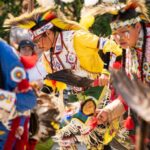
Thursday Morning Panel
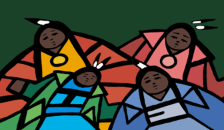
pikiskwestamowewin: Stories, Experiences, and Realities of Indigenous Teachers
(Hosted by ATEP, University of Alberta)
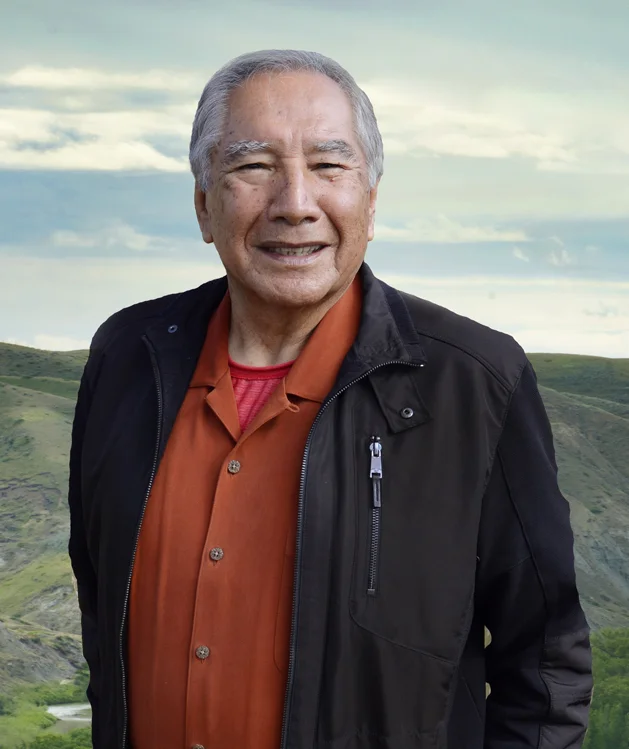
Banquet Keynote
Iikaiskinin, Dr. Leroy Little Bear
XClosing Keynote:
Dr. Marie Wilson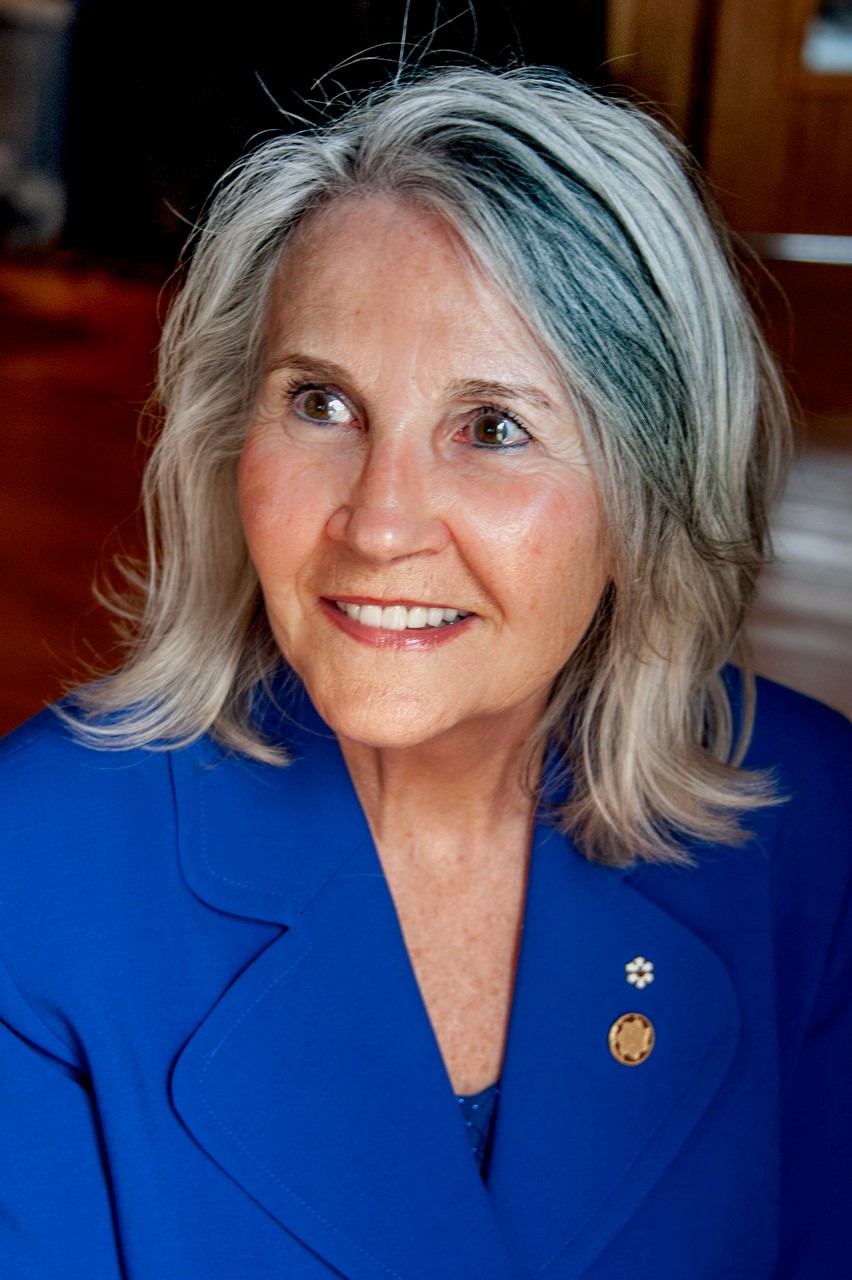
Banquet Keynote
Dr. Leroy Little Bear (Iikaiskinin, translated as “Low Horn”) is a renowned Blackfoot educator, lawyer, author, and advocate for Indigenous rights, education, and self-governance. A member of the Kainai First Nation (Blood Tribe) in Alberta, Canada, he is widely recognized for his academic leadership and his role in strengthening Indigenous knowledge and perspectives in higher education.
Closing Keynote
Dr. Marie Wilson (CM, ONWT, MSC) spent six years crisscrossing the country as a commissioner of the Truth and Reconciliation Commission of Canada. She has spoken throughout North America, Europe, Australia, and New Zealand on the potential of reconciliation. Born in Ontario, she has lived, studied, and worked as a journalist, teacher, professor, trainer, and executive in Canada, France, Burkina Faso, South Africa, and parts of South America. She lives in Yellowknife, Northwest Territories
| OVERVIEW AND BREAKOUT GATHERINGS |
WEDNESDAY, April 22, 2026
5:00 p.m. – Registration and Check In
5:00 – 6:00 p.m. – Men’s and Women’s Pipe Ceremonies (Two separate ceremonies)
7:00 p.m. – Gathering Opening: Grand Entry and Welcome to the Territory
Those who wish to have your flag represented, you MUST bring your flag with the flagpole and stand.
8:15 p.m. – Opening: Niitsitapi Cultural Performance
9:00 p.m. – Reception
THURSDAY, April 23, 2026
7:30 a.m. – Registration and Breakfast
8:15 a.m. – KEYNOTE: pikiskwestamowewin: Stories, Experiences, and Realities of Indigenous Teachers
(Panel hosted by ATEP, University of Alberta)
SESSION ONE BREAKOUT GATHERINGS (10:00 a.m. - 12:00 p.m.)
Facilitator(s): Susan Sinclair & Cheryl Devin
This interactive session with Elder Susan Sinclair and Elder Helper Cheryl Devin invites school system leaders to deepen their understanding of Métis values and ways of knowing through wahkotamowin (kinship and relationality) as it relates to our collective journey of establishing respectful relationships. Participants will experience how relationality, responsibility, respect, and reciprocity are lived practices that inform ethical decision-making in education. Grounded in dialogue and experiential learning, the session supports the Superintendent Quality Standards and Leadership Quality Standards by strengthening relationship-building, community engagement, inclusive and culturally responsive leadership, ethical practice, and system leadership in partnership with Métis communities across Alberta.
As a result of participating in this session, participants will have the opportunity to reflect on how an understanding of Métis wahkotamowin – as a foundation for reconciliation and making good relations- can be meaningfully applied within their role as school system leaders.
Presenter Biographies
Susan Sinclair (Thunderbird Woman) is a respected Métis educator, facilitator, and knowledge keeper from Green Lake, Saskatchewan, with over 38 years of experience across Canada and the United States. Her work spans language education, community wellness, and trauma-informed practice, including the development of land-based learning, holistic curriculum, and culturally grounded evaluation tools, with a strong focus on Michif language revitalization. Susan supports Indigenous and non-Indigenous organizations through curriculum development, facilitation, and capacity building, and continues to contribute meaningfully to Indigenous education and community well-being.
Cheryl Devin is a proud Métis woman- otipemisiwak iskwew- mother, and educator. She has recently retired after 34 years of teaching. Cheryl continues to give back to her profession through Indigenous education workshop facilitation with the Alberta Teachers’ Association and to her Nation as Elder Helper at Métis Crossing. Her family names include Henderson, Whitford, Fraser, Gullion and Pruden from across the Métis homeland, including Red River, Edmonton, Fort Saskatchewan, Andrew, and Buffalo Lake Metis Settlement.
Facilitator(s): Saa’kokoto & Cindy Stefanato
Over the 3 1/2 years, the Rocky View Schools (RVS) Indigenous Learning Branch has been in operation, the division has focused on initiating and nurturing meaningful relationships with First Nations, Métis, and Inuit Elders, Knowledge Keepers, and community members. This session shares the journey of this work and the powerful impact these relationships have had on amplifying community voice in schools, deepening learning, and strengthening success and support for First Nations, Métis, and Inuit students while increasing understanding for all learners across the division. This will be illustrated by highlighting the relationship between the division and Elder Saa’kokoto.
As relationship building is an integral aspect of kwayask-wastâsowin, focusing on authentic, reciprocal relationships has helped RVS to experience an unexpected and humbling depth of relationships and increase in the number of Elders, Knowledge Keepers, and community members working together with the division. This support has taken many forms, including classroom and school visits, professional learning for staff, ceremony, consultation, school events, and collaboration on policy and procedures.
Participants will learn how reciprocal relationships have created opportunities for Elders, Knowledge Keepers, community members, and division staff and students to learn with and from one another, moving forward together in shared responsibility, the approaches taken by the division to engage in relationships in a respectful, reciprocal manner and how capacity was built in staff to welcome Indigenous guests in a good way. Elder Saa’kokoto will share his experience working with school divisions including Rocky View Schools.
Evidence of the impact of this work is reflected in measurable growth in staff and student understanding of Indigenous perspectives, histories, and lived experiences, including results from the RVS Indigenous Learning Self-Reflection Tool.
As a result of participating in this session, participants will have the opportunity to learn about the journey Rocky View Schools has experienced in building and nurturing relationships with First Nations, Métis, and Inuit Elders, Knowledge Keepers, and community members, highlighting an example of the relationship with Blackfoot Elder Saa’kokoto. Participants will also have the opportunity to share their experiences and learn from each other.
Presenter Biographies
Saa’kokoto is a member of the Kainai Nation of Treaty 7 and belongs to the Tall People Clan. With more than two decades of leadership experience through 24 consecutive years on the Blood Tribe Council, he is widely respected as a trusted advisor in Moh’kintsis (Calgary) and throughout Southern Alberta. His insight and guidance are sought by a broad range of organizations and educational partners, including community agencies, cultural sites, and school authorities.
Rooted in deep cultural knowledge, Saa’kokoto carries and shares the teachings, histories, and ways of knowing of the Blackfoot people. He is known for his calm and compassionate presence, particularly when working with children and youth, creating spaces where learners are drawn in and fully engaged. Central to his work is the sharing of traditional spirituality through ceremony, storytelling, and lived experience.
Saa’kokoto is especially dedicated to supporting urban Indigenous youth as they explore identity, connection, and belonging. As a fluent speaker of the Blackfoot language, he is committed to ensuring the language continues to live through community, relationships, and intergenerational learning. Through his teachings, he reminds us of the importance of relationships.
Cindy Stefanato, Director of Indigenous Learning, Rocky View Schools Cindy Stefanato is an Anishinabek educator from Fort William First Nation, at the head of Lake Superior in Ontario. She is humbled by the opportunity to work with the Indigenous Learning team to lead and support Indigenous education at Rocky View Schools in her current role as Director of Indigenous Learning. Her experience as an educator includes the roles of classroom teacher, counselor, consultant, school-based administrator, and director. She strives to support and further Indigenous education, while keeping student success at the forefront.
Facilitator(s): Kyla and Chad Skinner
This session explores how artificial intelligence can be used responsibly, collaboratively, and ethically to strengthen Indigenous education across Alberta school divisions. The work is grounded in ongoing collaboration with local Elders, Knowledge Carriers, and Indigenous educators who have helped guide the development of classroom resources, land-based learning structures, and verification processes for AI-generated content. Their role ensures that AI is used only as a supportive tool, never as a replacement for lived knowledge, ceremony, or community voice. Elders have contributed to identifying cultural boundaries for AI use, reviewing sample outputs for accuracy and respectfulness, and shaping the “Braided Knowledge Approach” used in this presentation.
The session aligns with the CASS theme of innovation, leadership, and educational transformation, demonstrating how emerging tools can be woven together with Indigenous ways of knowing to improve instructional quality, cultural safety, and student engagement. It also connects strongly to ongoing provincial priorities in Truth and Reconciliation, equity, rural and northern education, and teacher capacity-building.
Participants will see concrete examples of how AI has been used in classrooms to:
- support differentiated Treaty 8 and Indigenous Studies materials;
- prepare students for Elder visits and deepen reflection afterwards;
- create case studies and environmental learning tasks that integrate Cree, Dene, and Métis perspectives;
- design culturally grounded lessons for teachers new to Indigenous content;
- reduce teacher workload, allowing more time for land-based learning and relationship-building.
Evidence of impact includes improvements in teacher confidence delivering Indigenous content, increased student engagement in Social Studies and land-based projects, and more consistent use of nation-specific materials verified by community partners. In northern and remote contexts, AI has helped bridge accessibility gaps by supporting teachers who do not always have daily access to Knowledge Keepers.
This session will provide system leaders with practical tools, ethical guidelines, and a clear framework for integrating AI in ways that honour tradition, elevate community voices, and meaningfully enhance learning for all students.
As a result of participating in this session, participants will have the opportunity to:
- understand how AI can ethically support Indigenous education through a community-guided approach;
- explore practical examples and tools for integrating AI into Treaty, land-based, and culturally responsive teaching;
- learn strategies for working collaboratively with Elders and Knowledge Carriers to verify and guide AI-supported resources;
- apply a framework for ensuring cultural safety, accuracy, and respect in AI-assisted lesson design;
- identify ways to build system-level capacity, equity, and teacher confidence through responsible AI use.
Presenter Biographies
Kyla Skinner grew up in Tallcree First Nation and has dedicated her career to strengthening education within First Nations communities. She began her work in the Tallcree Tribal Government band office, where she supported families and learners through various administrative roles. Over the years, Kyla advanced from Assistant Director to Acting Director of Education, gaining deep experience in school operations, community engagement, and educational leadership. She now serves as both a classroom teacher and an educational leader, bringing a holistic perspective grounded in community values, governance experience, and a lifelong commitment to supporting Indigenous learners. Her work is guided by respect, relationship-building, and a passion for creating culturally grounded learning environments.
Chad Skinner has worked in private, public, and on-reserve schools across Edmonton, Mackenzie County, and the Northwest Territories, with the majority of his career spent in diverse and Indigenous-majority classrooms. He holds a background in Indigenous Education from the University of Alberta, and his practice focuses on culturally responsive instruction, land-based learning integration, and building strong school–community relationships. Chad is committed to using innovative tools—including AI—to support teacher capacity, strengthen student engagement, and honour Indigenous ways of knowing within northern Alberta learning contexts.
Facilitator(s): Dr. Jennifer Markides and Panel
Based on the research with the Indigenous youth in several Alberta schools, the school division leaderships are responding to the interests and needs of Indigenous youth in concrete ways. Some schools have hired educators to teach Cree and Beaver languages, respectively. Others are partnering with local Elders, educators, and Knowledge Carriers to provide cultural teachings in the schools and on the land. The panel of school division leaders and educators will share their experiences of bringing Indigenous knowledges into the schools. Their accounts will highlight both the successes and the very-real, challenges that have been part of this work. Regardless of the growing pains associated with doing education differently, the inclusion of Indigenous cultural teachings has led to increased student attendance and engagement, increased parental involvement, improved relationships between schools and Indigenous communities. Creating space in systems of education for Indigenous youth to learn their languages and cultural teachings as education is an act of reconciliation and an effort to “make right” the wrongs of the past and present.
As a result of participating in this session, participants will have the opportunity to hear first-hand accounts of how Indigenous language and culture education is impacting students, families, and communities in positive ways.
Presenter Biographies
Jennifer Markides, PhD, is a member of the Métis Nation of Alberta under the Otipemisiwak Métis Government, SSHRC Tier II Canada Research Chair in Indigenous Youth Well-Being and Education, and Associate Professor in both the Werklund School of Education and Faculty of Social Work at the University of Calgary. Her community-based research focuses on the dreams, interests, needs, and holistic wellbeing of Indigenous youth in locations across Alberta and into the Yukon. Working together, the partnerships respond to the immediate goals and long-term visions of First Nations and Métis communities.
Other bios to follow…
Facilitator(s): Dr. Evelyn Steinhauer, Kelly Ryan, Dr. Shauna Bruno, Elder Calvin Cardinal
The Aboriginal Teacher Education Program (ATEP) at the University of Alberta has developed two Indigenous-led Prior Learning Assessment and Recognition (PLAR) pathways that formally recognize and honour the professional, cultural, and language knowledge Indigenous applicants bring to teacher education. These pathways, Experience in Educational Settings and nêhiyawâtisiw Indigenous Language and Cultural Helper/Bearer, were created in response to longstanding gaps in conventional credit recognition systems that often fail to value Indigenous knowledge, community-based experience, and language fluency.
Indigenous applicants accepted into the ATEP program and PLAR pathway are supported through one-on-one mentorship with the PLAR coordinator and engage in relational review processes led by Indigenous educators whose life’s work centres Indigenous education, language revitalization, and cultural continuity. Rather than functioning as an evaluative or deficit-based assessment, ATEP’s PLAR model is grounded in relationship, trust, and reflecting community-rooted understandings of learning, responsibility, and reciprocity.
The session is closely connected to conference themes related to Indigenous self-determination in education, language revitalization, decolonizing assessment practices, and values-based systems change. In particular, the nêhiyawâtisiw PLAR pathway supports Indigenous language speakers and cultural helpers who seek to become educators with the intention of returning to community, teaching language, and sustaining intergenerational knowledge transmission. While ATEP’s Guiding Values are grounded in nehiyâw (Cree) teachings, the PLAR process intentionally invites applicants to bring forward and uplift their own language learnings, cultural teachings, and community-specific values.
The impact of this work is tangible and ongoing. Through PLAR, eligible Indigenous students may earn up to 30 university credits toward their Bachelor of Education, significantly reducing barriers to access, time to completion, and financial burden. The initiative has contributed to increased Indigenous educator recruitment, strengthened identity affirmation among preservice teachers, and the recognition of community-raised expertise within institutional structures. By centering Indigenous ways of knowing, mentorship, and relational accountability, ATEP’s PLAR pathways offer a concrete example of how Indigenous-led teacher education can enact systemic change while supporting the next generation of educators to teach, lead, and return to community in a good way.
As a result of participating in this session, participants will have the opportunity to:
- gain insight into Indigenous-led, values-based PLAR approaches that centre relationality, mentorship, and Indigenous knowledge systems as alternatives to conventional evaluative assessment models in teacher education.
- understand how ATEP’s two PLAR pathways recognize and affirm Indigenous professional, cultural, and language knowledge, including the role of PLAR in supporting Indigenous language revitalization and community-return teaching pathways.
- reflect on the impact of relational PLAR models in increasing access to teacher education, affirming Indigenous identity, and contributing to systemic change within post-secondary institutions.
Presenter Biographies
Dr. Evelyn Steinhauer is a nêhiyaw iskwew (Cree woman) from Saddle Lake Cree Nation and a respected Indigenous scholar, educator, and leader in Indigenous education in Canada. She is a Professor in the Faculty of Education at the University of Alberta and has held senior leadership roles supporting Indigenous initiatives across the institution. Dr. Steinhauer’s scholarship is grounded in nêhiyaw ways of knowing, ethical relationality, and Indigenous methodologies, with a particular focus on Indigenous teacher education, land-based learning, and community-driven approaches to education. She has played a central role in strengthening and advancing the Aboriginal Teacher Education Program (ATEP), supporting pathways for Indigenous students into the teaching profession. Widely recognized for her mentorship, Dr. Steinhauer has guided generations of Indigenous and non-Indigenous scholars, emphasizing relational accountability, humility, and responsibility to community, land, and future generations.
Dr. Shauna Bruno is the Director of the Aboriginal Teacher Education Program (ATEP) in the Faculty of Education at the University of Alberta, where she prioritizes culturally-resonant leadership support of Indigenous student success in teacher education and a fulsome advancement of wâhkôhtowin throughout all facets of ATEP student, community, and partner experiences. In her role, Dr. Bruno works closely with students, staff, faculty, school partners, and communities to ensure that ATEP students are supported holistically throughout their academic journeys, from admission through practicum and graduation. Dr. Bruno is deeply committed to creating learning environments that affirm Indigenous identities, knowledge systems, and strengths, while preparing future educators to thrive in diverse K–12 contexts.
Elder Calvin Cardinal is from Saddle Lake Cree Nation. He has been with the Aboriginal Teacher Education Program, or ATEP, since May 2023 as the Elder in Residence whereby he provides cultural teachings and spiritual guidance for the students and staff of the program. Elder Cal actively participates in and is a steadfast presence in the students’ journey towards becoming in-service teachers and provides guidance to advance various research initiatives within the ATEP community and educational landscapes. Cal is a husband to Mona Cardinal, a father and a mosom to many grandchildren.
Facilitator(s): Sandra Davenport & Leanne Traverse
This session is led by Sandra Davenport, a Northern Michif Language Holder, whose lived experience and language knowledge guide the learning. The work shared reflects long-standing relationships with Métis Elders, Knowledge Holders, and Language Holders who support and guide Rupertsland Institute’s Métis education work across Alberta. We understand language revitalization as relational work, and we approach this session with respect for community authority, protocols, and Métis-led approaches to teaching and learning.
Grounded in CASS’s 2026 theme of kwayask-wastâsowin (“making things right”), the session uses the Northern Michif concept kâwî pîkiskwâtitôwak (“speaking to one another again”) as a foundation for truth-telling and shared responsibility in language revitalization. Sandra shares personal story as a Day School attendee and the daughter of a Residential School Survivor to name why language loss is not accidental, and why Northern Michif language revitalization is a critical part of reconciliation and student success. Participants will expand their foundational knowledge of Northern Michif, including its origins, locationality, and cultural significance, and explore how linguicide impacts identity, belonging, and learning conditions for Métis students.
Rupertsland Institute currently offers Northern Michif learning resources and professional learning developed in partnership with Sandra and other Michif Language Holders, including an open online course that supports learners in hearing, speaking, and reading Northern Michif. This session extends that work by strengthening school and system leaders’ capacity to support Northern Michif revitalization in meaningful, sustained ways. Together, participants will examine what supportive leadership looks like beyond individual goodwill, including relationship-building with Métis communities, appropriate resourcing, creating safe and respectful learning cultures, and everyday opportunities to hear and use Northern Michif in ways that honour Métis worldviews. Participants will leave with practical next steps at the individual, school, and system levels, along with greater clarity on how to engage Rupertsland Institute and Métis Language Holders as ongoing partners in this work.
As a result of participating in this session, participants will have the opportunity to:
- listen to and learn from the lived experience of a Northern Michif Language Holder, grounded in truth-telling about language loss and survivance.
- strengthen foundational knowledge about Northern Michif, including why language is inseparable from Métis identity, history, and contemporary life.
- understand how language loss (linguicide) is connected to education history, and why revitalization supports student belonging, and identity affirmation.
- experience Indigenous pedagogy through story, circle dialogue, guided reflection, and movement/song.
- learn and practice a small set of Northern Michif words/phrases.
- reflect on revitalization through kâwî pîkiskwâtitôwak (“speaking to one another again”) and the importance of relational responsibility and advocacy.
- identify leadership actions that create conditions for Métis-led language revitalization in their context.
Presenter Biographies
Sandra Davenport is a proud Métis woman from the historic community of Île-à-la-Crosse, Saskatchewan. She is a fluent Northern Michif Language Holder, part of fewer than 1% of speakers. As a mother of three, proud “mâmâ” to six grandchildren, and a certified educator for 32 years, she is committed to revitalizing Northern Michif. Sandra shares her language and culture with learners of all ages in ways that are authentic and accessible, guided by community responsibility and relational accountability to protect the language and the people it belongs to. Her work supports cultural continuity and invites educators and leaders to create conditions for Métis-led language revitalization in schools and communities.
Leanne Traverse is a proud Métis woman and certified educator with nearly 20 years of classroom teaching experience. She holds a Bachelor of Education and a Master of Education (Indigenous Peoples Education specialization) from the University of Alberta. In her role as a Métis Education Consultant with Rupertsland Institute, Leanne is committed to advancing Métis education in Alberta by supporting respectful learning about Michif language and Métis foundational knowledge. She is dedicated to walking alongside students, educators and school communities to create learning environments where Indigenous students feel seen and supported. Leanne brings a kinship-based approach to her work and looks forward to building strong relationships and partnerships with school communities across Alberta.
Facilitator(s): Jimmi Lou Irvine, Dustin Walker, Carla Babiuk, Teri Huntley, Dani Moore & Cold Lake First Nation
In this session, school administrators and the Cold Lake First Nations (CLFN) Liaison share the ongoing journey of a Grade 10–12 public school. The presenters will discuss how a long-term commitment to a common culture—built quietly over years by a dedicated staff—laid the foundation for a noticeable shift in student outcomes. They will explore how long-term collective efforts and intentional relationship-building have moved the needle from “hope” to a measurable “expectation” of success. By reflecting on the vital partnership between school leadership and the CLFN education team, the presenters will identify the “ingredients” that helped them move toward a tipping point in academic and non-academic achievement. Attendees will gain insight into the practical, foundational efforts required to foster a learning environment where authentic community connection and student success go hand-in-hand.
As a result of participating in this session, participants will have the opportunity to consider the impact of relationships and joint efforts in supporting student success.
Presenter Biographies
To follow…
Facilitator(s): Goota Desmarais
Rooted in the land-based resources of the North, Inuit traditions and culture flourished despite the unforgiving Arctic climate. Demonstrating incredible resilience and ingenuity, the Inuit have a rich history that Goota enthusiastically shares through her vivid storytelling and genuine Inuit artifacts.
As a result of participating in this session, participants will have the opportunity to build greater awareness and respect for Inuit culture, history, and resilience, and to reflect on the importance of land-based knowledge and Indigenous perspectives.
Presenter Biography
Goota Desmarais, who comes from the south shore of Baffin Island in Kingait, Nunavut, experienced a unique upbringing. She spent her winters in a modern Inuit settlement and her summers in a traditional camp, immersing herself in the rich tapestry of Inuit culture. For the past 30 years, Goota has been an urban Inuk, residing in Sherwood Park, Alberta. Despite the distance, she remains deeply connected to her heritage through regular visits to Nunavut.
Through her business, Inuit Connections, Goota has spent over two decades educating students, adults and communities about Nunavut and Inuit culture. Her engaging personal stories paint a vivid picture of life in the North, offering a window into the unique Isikicmu way of life. Currently, Goota is collaborating with the Alberta Teacher’s Association on their “Walking Together: Education for Reconciliation Project,” continuing her mission to bridge cultural understanding and appreciation.
Facilitator(s): Blackfoot Confederacy Elders/Knowledge Carriers and First Nation Authority Representatives
Join in this engaging panel discussion with Elder Leonard Weasel Traveller, Elder Laverne First Rider, Daphne Masitonia, Blackfoot Confederacy School Authority Leaders and Director of Education Genevieve Fox as we explore the process and content of creating curriculum based learning resources for schools to meet the needs of the Blackfoot Treaty areas of Alberta in Kwayask-wastâsowin for Student Success.
Panelists will share their experiences and ideas on laying the foundation for the creation of inclusive and culturally rich educational experiences for students as they learn about Niitsitapi (Blackfoot) Culture in Alberta.
This panel, hosted by The Consortium, will give the opportunity for participants to contribute to the discussion on process, content and types of resources needed to assist in embedding Niitsitapi (Blackfoot) cultural teachings into Alberta Curriculum.
As a result of participating in this session, participants will have the opportunity to explore process, content and types of resources needed to assist in embedding Niitsitapi (Blackfoot) cultural teachings into Alberta Curriculum.
Presenter Biographies
Piikani Elder Leonard Weasel Traveller (Bastien) is the former chief of Piikani Nation, a spiritual leader, ceremonialist, recipient of the Queens Platinum Jubilee medal, and Board Chair for the Manitou Asinîy-Iniskim Repatriation Project. He is recognized for his efforts in promoting reconciliation and reserving Indigenous heritage. He participated in the rebranding of Fort Calgary to The Confluence, gifting the Blackfoot name “I’táámito’táaattsiiyio’pi” which translates to “harmonious meeting place”, symbolizing a commitment to honoring the site’s layered history and fostering positive relationships between Indigenous and non-Indigenous communities. Elder Leonard is an advocate for Indigenous education and identity, emphasizing the importance of cultural pride and confidence in student success. He has been leading efforts to return the sacred stone, Manitou Asinîy, to Indigenous peoples for over 20 years. Elder Leonard says, “the return of the stone is important to reawaken a sense of peace, prosperity, hope, and healing for all people”.
Dr. Daphne Mai’Stoina has dedicated 36 years to the field of education, establishing herself as a distinguished leader in Indigenous programming and administration. Currently, she serves as the Superintendent for the Kee Tas Kee Now Tribal Council Education Authority.
Prior to her current role, Dr. Mai’Stoina spent a significant 23-year tenure with the Siksika Nation. Her journey there began in the classroom, where she developed specialized programs for children with exceptional needs. She rose through the ranks to become Vice Principal, Assistant Superintendent, and ultimately Superintendent of the Siksika Board of Education. Her extensive experience also includes collaboration with the O’Chiese First Nation and overseeing special education initiatives in British Columbia.
Dr. Mai’Stoina began her post-secondary journey at Old Sun College, then continued at the University of Calgary, earning her Bachelor of Education in 1989. A lifelong learner, she later earned a Master’s in Educational Leadership and Special Education and, in 2014, completed her Doctorate in Educational Leadership. She has also served as a professor for the Blackfoot Language program at Old Sun College.
Deeply rooted in her culture, Dr. Mai’Stoina is a member of the Horn Society. She held the distinct honor of being captured as the woman for the Leader Bundle alongside Chris McHugh and Herman Yellow Old Woman.
Staahtsisttayaaki Dr. Genevieve A. Fox (B.Ed., M.A., Ed.D.) from Kainai – Blood Tribe has been involved with the ethos of Indigenous education in administration, teaching, and curriculum development. She has taught from the K-12 to post-secondary education and worked with national, provincial, and Indigenous organizations to help change the reality of Niitsitapi. She is the Education Director of the Niitsitapi Blackfoot Confederacy Tribal Council.
12:00 p.m. – Lunch / Sponsor and Artisan Engagement
SESSION TWO BREAKOUT GATHERINGS (1:00 p.m. - 2:15 p.m.)
Facilitator(s): Cameron Shade & Amber Hester
In this session, we will emphasize the critical importance of listening to staff and student voices to enhance wellness within the Kainai Board of Education. Recognizing that staff well-being is foundational for effective teaching and learning, this presentation will focus on understanding and addressing the wellness needs of our staff so we can plan forward using their voice to guide our planning. Staff wellness has a direct impact on student learning. In addition we surveyed not only our staff but students as well so we can hear their voices and plan forward aligning both staff and student wellness voices from KBE.
We will discuss the importance of collaborating with our Leadership which includes: System and school leadership, Elders, Knowledge Keepers, and staff extremely well versed in Blackfoot Language and Culture, as we customized and integrated their voices into the creation of a Staff and Student Wellness Data Collection process. We will share the data collection customization and how it truly reflects what we wanted to ask our students and staff from a cultural and holistic approach.
By involving these key figures in the development and implementation of our data collection they will be foundational in advancing the Wellness Focus at KBE. Communication, collaboration, relationships and focus on holistic wellness are key components of Kainaiyssini. Student & Staff voices are essential in our planning forward around areas that are impacting our students, staff and community. We will share how this data has informed a variety of practices and brought together people to work as a collective on wellness at KBE.
Additionally, we will connect the session to themes of community well-being and cultural responsiveness, exploring how the act of listening to staff aligns with broader discussions of creating and ensuring safe, caring, respectful, welcoming and inclusive and supportive educational environments.
As a result of participating in this session, participants will have the opportunity to:
- Understand Staff and Student Wellness: Explore the definition of wellness and current initiatives in the context of Kainai Board of Education.
- Emphasize Listening: Recognize the importance of actively listening to student and staff feedback.
- Collect and Analyze Data: Learn effective strategies for data collection to inform future wellness plans.
- Implement Culturally Appropriate Change: Identify actionable steps that honor cultural connections and responsiveness.
- Foster Leadership and Collaboration: Discover how to cultivate a supportive culture through collaborative practices.
- Review Impact and Sustainability: Examine the results of initiatives and strategies for sustainable wellness practices.
- Engage in Dialogue: Participate in an interactive Q&A to share experiences and insights on wellness.
This session aims to engage participants in understanding the significance of listening to student and staff voices, integrating community wisdom, and evaluating the impact of our efforts on staff wellness in culturally responsive ways. By prioritizing leadership, collaboration, and informed practices, we can create a healthier environment for all members of the Kainai Board of Education community.
Presenter Biographies
Siipiinai (English name Cam Shade), is currently the Superintendent of Schools for the Kainai Board of Education. In addition, Cam served on the CASS Board of Directors as the Treaty 7 First Nations School Authorities representative. Cam is a proud member of the Blood Tribe #148.
In 1988/1989 the Blood Tribe successfully negotiated with the Federal Government of Canada to administer all aspects of school operations within the Blood Tribe. Essentially, Blood Tribe control of education. Cam was a member of the first graduating class from St. Mary’s High School.
Upon completion of high school, Can attended the University of Lethbridge and received a Bachelor of Science Degree in Biology, chemistry minor, and a Bachelor of Education Degree. Cam completed his graduate work at Gonzaga University, Spokane Washington, and received a Masters Degree in school administration and curriculum.
Cam has been an educator for twenty years. Serving first as a classroom teacher and then transitioning the school administrative roles. Can was the associate principal at Kainai High School and principal at Tatsikiisaapo’p Middle School.
Cam is adamant about ‘Student Success’ and that this principle must permeate throughout Kainai Board of Education schools and classrooms. Cam’s philosophy is that “we must prepare our students to walk successfully in both worlds.” This will be accomplished by embedding Blackfoot Language, culture and spirituality into the curriculum while exceeding rigorous academic standards.
Amber Hester is an independent consultant and the Co-founder and CEO of Blu Lantern Inc., as well as the founder of her own company, Clover Collaboration Ltd. With over 25 years of experience in education, she has served in various roles including teacher, principal, coordinator, director, and assistant superintendent in both Alberta and Saskatchewan.
Amber has held the position of Assistant Superintendent of Inclusive Learning Services, where she ensured a team approach to supporting the diverse needs of learners. She understands the complexities facing classrooms, as well as the importance of staff voice, collaboration, and a collective approach in meeting the needs of all students.
Throughout her career, she has collaborated with district leaders to develop foundational statements, provide leadership coaching, and foster team building. Her dedication to wellness, inclusion, and diversity drives her focus on strategic and system planning, data analysis, and data-informed practices.
Amber has worked and served as a consultant for Public Schools and First Nation School Authorities. Most recently Amber has had a strong focus on wellness. She has been working with school systems facilitating the collection of wellness data from staff, students, and parents. In this capacity, she empowers system and school leaders to create and lead collaborative teams that analyze data and develop comprehensive workplace wellness plans that not just attend to student wellness but also staff wellness.
Amber truly believes that wellness is a shared responsibility. She emphasizes the importance of building leadership capacity at all levels and across all departments within a school organization to cultivate positive and supportive learning environment cultures.
Facilitator(s): Elder Calvin Cardinal
In this session, participants will learn from Elder Calvin Cardinal from Saddle Lake Cree Nation. He will share knowledge and wisdom about spiritual values and natural laws in living and being in relation to the Gathering theme, kwayask-wastâsowin.
Presenter Biography
Elder Calvin Cardinal is from Saddle Lake Cree Nation. He has been with the Aboriginal Teacher Education Program, or ATEP, since May 2023 as the Elder in Residence whereby he provides cultural teachings and spiritual guidance for the students and staff of the program. Elder Cal actively participates in and is a steadfast presence in the students’ journey towards becoming in-service teachers and provides guidance to advance various research initiatives within the ATEP community and educational landscapes. Cal is a husband to Mona Cardinal, a father and a mosom to many grandchildren.
Facilitator(s): Shawna Warren & Maxine Hildebrandt
At Sturgeon Public Schools, we recognize the value of technology in learning—our classrooms embrace digital tools that prepare students for the future. However, we also know that social media and early smartphone access are very different. Research shows that unrestricted access to these platforms too soon can negatively impact student well-being. There is a growing body of research linking early smartphone/social media use with youth mental health challenges. Social psychologist Jonathan Haidt has investigated the rise of mental illness rates rising among young adults and has highlighted findings associated with digital risks and cognitive effects which negatively impact young people.
Unplugged Canada is a parent-driven grassroots nonprofit that aims to delay children’s access to smartphones and social media. Its mission is to support healthy childhood development by encouraging more face-to-face interaction, outdoor play, and freedom from algorithm-driven online environments. We are encouraging parents to start important conversations at home, and families can make informed choices that protect children’s mental health while still supporting their growth in a digital world.
At Sturgeon Public Schools, we value the ability for elevating our students’ learning experiences through land-based learning and experiential based learning initiatives. Our students increase their conceptual learning through inquiry and explorative learning on the land. Pursuing learning through an Indigenous lens also affords students the ability to apply Indigenous teachings to cross-curricular topics and concepts. We acknowledge the role of Elders, knowledge keepers and cultural teachers as integral towards helping our students and educators appreciate and build a deeper understanding of Indigenous ways of knowing. We are interested in sharing our Indigenous and land-based learning experiences with others who are interested in moving forward with reconciliation in education. When we consider “kwayask-wastâsowin” or “making things right”, we want to acknowledge that appreciating learning through Indigenous ways of knowing is just as integral as learning through Western ways of knowing, especially as it builds upon intercultural understanding and collaboration for the benefit of all learners.
As a result of participating in this session, participants will have the opportunity to understand how the digital age and early use of technology has affected our youth, and to appreciate how land-based learning and Indigenous ways of knowing can contribute towards students’ conceptual understanding of the world around them.
Presenter Biographies
Shawna Warren, Superintendent of Sturgeon Public Schools, brings more than three decades of experience in public education, having served as Associate Superintendent, Director, Principal, Vice Principal and classroom teacher.
Shawna holds Arts and Education degrees from the University of Lethbridge and a Master’s degree from the University of Alberta, with a focus on trauma, the brain, and learning. Her leadership is grounded in building welcoming, caring, respectful and inclusive learning and working environments where trust, well-being and high expectations coexist.
Recognized as a collaborative and solution-focused leader, Shawna is committed to continual professional growth and reflective practice. Her current work is focused on responding to emerging research on the impacts of social media and digital environments on children and youth, and on working alongside families, schools and communities to take informed, collective action to better protect children’s well-being and strengthen our shared future.
Maxine Hildebrandt, M.Ed. is an Indigenous educator of Cree/Metis descent, and an enrolled member of the Pelican Lake First Nation (SK). She has been teaching for thirteen years, primarily working with students in Div. l and ll. She was awarded the Governor General’s History Award for Excellence in Teaching for her work based on cultural exchange partnerships and promoting positive relationships between Indigenous and non-Indigenous learners.
Maxine currently works with Sturgeon Public Schools in the position of Indigenous Education Coordinator, offering culturally responsive supports and services for school and system leaders.
Maxine believes that building connections with the land helps students gain deeper conceptual understandings of the world around them and to appreciate the relationships between humans, wildlife, and the environment. She enjoys visiting classrooms and sharing Indigenous teachings and perspectives with students, educators, and leaders throughout the division.
Facilitator(s): Dr. Evelyn Steinhauer; Danielle Steele; Danielle Gardiner Milln & Dr. Shauna Bruno
A critical feature of Bachelor of Education programs is the practicum, where preservice teachers bring theory into lived practice and learn who they are becoming as educators. Within the Aboriginal Teacher Education Program (ATEP), practicum experiences are intentionally designed as reciprocal learning spaces rather than unilateral sites of supervision or assessment. These field experiences rely on relationships of mutual responsibility and learning between the university and school ecosystems, between mentor teachers and preservice teachers, and among preservice teachers themselves as they navigate practicum in small, intentionally formed cohorts within shared host schools.
Reciprocity between the university and partner schools is foundational to these placements. Rather than viewing schools solely as sites of training, ATEP approaches practicum as a shared endeavour in which university staff, administrators, and educators learn alongside one another. Schools contribute local knowledge, contextual expertise, and mentorship, while the university offers ongoing relational support, professional learning, and accountability to Indigenous educational commitments. This reciprocal partnership creates conditions in which Indigenous pedagogies, community connections, and cultural practices can be meaningfully supported within classroom spaces.
At the level of mentor–mentee relationships, reciprocity reframes mentorship as a two-way exchange. Indigenous preservice teachers bring cultural knowledge, land-based teachings, language, and community-rooted ways of knowing into their practicum classrooms, while mentor teachers offer pedagogical guidance, professional socialization, and advocacy within school systems. When mentor teachers and administrators engage openly with Indigenous worldviews—recognizing the significance of medicines, ceremony, storytelling, and relational teaching—they not only support preservice teachers but also deepen their own professional practice in alignment with Teaching Quality Standard #5.
Reciprocity is further strengthened through peer relationships, as ATEP students complete practicum placements in small cohorts within the same host schools. These intentionally crafted groupings foster collective care, shared reflection, and peer mentorship, reducing isolation and supporting students as they navigate the emotional, cultural, and professional dimensions of practicum. Learning becomes communal rather than individual, reflecting Indigenous relational values and reinforcing accountability to one another.
Drawing on examples from rural, urban, and on-reserve contexts, this presentation explores how reciprocal practicum models create opportunities for schools and universities to co-create culturally safe, relational learning environments. We examine successes, tensions, and lessons learned as ATEP prepares students and school partners to meet established teaching competencies while honouring Indigenous pedagogies and ways of being. Ultimately, this session positions reciprocity in preservice field experiences as a practical and relational pathway for advancing reconciliation in teacher education—one grounded in shared learning, mutual respect, and collective responsibility.
As a result of participating in this session, participants will have the opportunity to learn about reciprocal approaches to preservice teacher experiential learning, and reflect on their opportunities to uplift wâhkôhtowin in their own work in service of advancing Indigenous educator flourishing across all educational contexts.
Presenter Biographies
Dr. Evelyn Steinhauer is a nêhiyaw iskwew (Cree woman) from Saddle Lake Cree Nation and a respected Indigenous scholar, educator, and leader in Indigenous education in Canada. She is a Professor in the Faculty of Education at the University of Alberta and has held senior leadership roles supporting Indigenous initiatives across the institution. Dr. Steinhauer’s scholarship is grounded in nêhiyaw ways of knowing, ethical relationality, and Indigenous methodologies, with a particular focus on Indigenous teacher education, land-based learning, and community-driven approaches to education. She has played a central role in strengthening and advancing the Aboriginal Teacher Education Program (ATEP), supporting pathways for Indigenous students into the teaching profession. Widely recognized for her mentorship, Dr. Steinhauer has guided generations of Indigenous and non-Indigenous scholars, emphasizing relational accountability, humility, and responsibility to community, land, and future generations.
Danielle Steele is a Metis educator who calls amiskwacîwâskahikan (Edmonton, Alberta) home. She holds a Masters of Education in Indigenous Peoples Education, and works as ATEP’s Field Experience Lead to relationally walk alongside Indigenous students in their practicums and beyond. Danielle’s work spans ethical and effective uses of technology in education, relational practices in higher education settings, and prioritizing reciprocal relationships between inservice, preservice, and university community partners.
Danielle Gardiner Milln is of settler ancestry, born and raised in Treaty 6 territory, amiskwacîwâskahikan (Edmonton, Alberta). Danielle is a PhD Candidate in Adult, Community, and Higher Education at the University of Alberta, and serves as ATEP’s Senior Research Associate. Danielle’s academic and professional work focuses on relational and reconciliatory practices by student affairs professionals in higher education and equity-centered higher education policy to uplift international, national, and local priorities towards Indigenous and other equity-denied student flourishing.
Dr. Shauna Bruno is the Director of the Aboriginal Teacher Education Program (ATEP) in the Faculty of Education at the University of Alberta, where she prioritizes culturally-resonant leadership support of Indigenous student success in teacher education and a fulsome advancement of wâhkôhtowin throughout all facets of ATEP student, community, and partner experiences. In her role, Dr. Bruno works closely with students, staff, faculty, school partners, and communities to ensure that ATEP students are supported holistically throughout their academic journeys, from admission through practicum and graduation. Dr. Bruno is deeply committed to creating learning environments that affirm Indigenous identities, knowledge systems, and strengths, while preparing future educators to thrive in diverse K–12 contexts.
Facilitator(s): Matsokitopi, (Byron Bruised Head)
Niitsitapi (Truthful People) Knowledge Is Power explores how reclaiming Indigenous truth, identity, and governance is essential to meaningful reconciliation and effective education systems. Centered on Siksikaitsitapi (Blackfoot) Ways of Knowing, this session examines how colonial structures, including residential schooling, imposed governance systems, and cultural disruption, have reshaped community leadership, education, and identity.
Presenter Matsokitopi, (Byron Bruised Head) has received a transfer of knowledge from Siksikaitsitapi Elders and will educate participants on the teachings of the living treaties, with a focus on Treaty 7. Participants will learn how traditional Niitsitapi governance emphasized autonomy, reciprocity, collective decision-making, and truth (Niitsi), and how these principles contrast with externally imposed systems. Matsokitopi also shares evidence of impact, observing the influence of Niitsi on the staff, students, and families of the Aayaaksima Alternate Academy, including strengthened identity, cultural connection, and community trust.
This presentation invites educational leaders to consider how schools can become spaces for truth-telling, cultural restoration, and critical consciousness. By centering authentic Indigenous knowledge systems, educators can support student identity, strengthen community trust, and move beyond symbolic reconciliation toward structural change grounded in truth and sovereignty.
As a result of participating in this session, participants will have the opportunity to engage with Siksikaitsitapi teachings, deepen their understanding of Treaty 7 and living Indigenous governance, reflect on the impact of Niitsi in educational settings, and gain practical strategies to support student identity, strengthen community trust, and implement culturally grounded approaches to reconciliation and school leadership.
Presenter Biography
Matsokitopi, (Byron Bruised Head) is a Principal, educator, and scholar whose work focuses on Indigenous governance, sovereignty, and traditional knowledge systems. He holds a Master of Education, a Bachelor of Education, and a Bachelor of Arts in Sociology with a Minor in Management, as well as academic training in Agricultural Production and Economics.
He is the great-grandson of the Treaty 7 Signatory, Chief Mikaisto (Red Crow), a member of the Atsotaks (Shot Both Sides) and Akasikapewtaskis (Many White Horses) Traditional Bands and is a Sovereign Signatory recognized in the World Courts. A leader with lived experience of the Residential School system, Matsokitopi brings critical insight to his academic and professional work. His Master’s research examined the Traditional Bands of the Aapáíhtsiitapi, with particular emphasis on the Weasel People of the Blackfoot Confederacy, contributing to the documentation and affirmation of Indigenous political, legal, and social structures.
In addition to his academic and administrative roles, Byron is a father and grandfather, a horse rancher, and a rodeo cowboy. His work bridges Indigenous epistemologies and contemporary education systems.
Facilitator(s): Preston Huppie & Shannon Loutitt
This session introduces the structures of Indigenous Learning Systems (ILS) and examines how Indigenous knowledge is woven throughout Alberta’s new curriculum KUSPs. Participants will learn about the role of the Advisory Circle and explore examples of collaborative resource development.
Aligned with the LQS and SLQS competencies, specifically First Nations, Métis and Inuit Education for All Students and Leading Learning, this session highlights approaches for strengthening teacher foundational knowledge and supporting whole‑school initiatives that embed Indigenous ways of knowing, being, and doing across learning communities. Stories of impact will also be shared.
As a result of participating in this session, participants will have the opportunity to examine Edmonton Catholic Schools’ work with Indigenous knowledge and the new curriculum, and explore meaningful ways to strengthen their own professional practice.
Presenter Biographies
Shannon Loutitt is an otepemsew (Métis) auntie and educator born in mâskwasîpîsis (Grande Prairie) and raised in nistawoyou (Fort McMurray). She currently lives in amiskwaciwâskahikan and works as an Indigenous Education Consultant with Edmonton Catholic Schools.
Preston Huppie is Cree/Métis from Amiskwacîwâskahikan (Edmonton, Alberta) within Treaty 6, with lineage tracing back to the Red River. Preston is an Indigenous Educator with over 18 years of experience in education and holds a Bachelor of Education (2005) and a Master of Indigenous Peoples Education (2013). His career has included roles as a classroom teacher, learning lead, administrator, strategist, and consultant. He taught for ten years in Kehewin Cree Nation before working with the Calgary Board of Education (2017–2024) for 8 years. He currently serves as an Indigenous Education Consultant with Edmonton Catholic Schools Division (ECSD).
Preston is passionate about ensuring Indigenous education is embedded across all aspects of teaching and professional learning, while supporting administrators, teachers, and staff with foundational Indigenous perspectives rooted in the land and place we live and learn on.
Facilitator(s): Billie-Jo Grant, WIld Rose School Division Indigenous Education Team, Asokewin Friendship Centre Youth/Staff/Dominic Hill
This session is offered as an invitation for participants to walk alongside Elders, Knowledge Carriers, youth, and Indigenous community members with intention, grounded in the understanding that Indigenous education is shaped through sustained relationships every day. Youth are lifted up as knowledge holders and leaders, drawing on their inherent strength and agency. Elders and students will be present throughout the session, sharing their perspectives directly with participants and creating space for conversation, reflection, and engagement. Indigenous education is understood as a daily responsibility grounded in relationship, care, and shared accountability.
Connected to the Indigenous Education Gathering theme, the learning invites those who attend to reflect on the importance of relationships with students, families, community partners, and those who carry responsibility for students and communities, and how these relationships influence trust, belonging, and long-term impact. Participation carries responsibility, calling leaders to move beyond awareness toward action and to consider how leadership decisions and system practices shape Indigenous education in real time.
Through stories and dialogue, participants will engage with stories of relationship-building with Nations, students, educators, and community partners, alongside increased youth engagement and growing leadership accountability for Indigenous education beyond symbolic actions. What is offered supports sustained, relational change that extends well beyond a single gathering.
As a result of participating in this session, participants will have the opportunity to:
- engage in meaningful dialogue with youth, Elders, Knowledge Carriers, and community members, deepening understanding through lived perspectives and shared conversation.
- reflect on the role of sustained relationships in shaping Indigenous education as an everyday responsibility.
- consider how leadership decisions, system practices, and relationships impact trust, belonging, and student experience.
- examine their own responsibilities in supporting Indigenous education beyond symbolic or event-based actions.
- identify insights they can carry forward to strengthen relational practice with students, families, community partners, and Nations
Presenter Biographies
Billie-Jo Grant is a proud Métis woman and citizen of the Otipemisiwak Métis Government and currently serves as Director of Indigenous Education with Wild Rose School Division. Her work is grounded in relational responsibility, shaped by family histories, lived experience, and a deep commitment to Indigenous education as an everyday practice rather than a moment or initiative.
Billie-Jo’s academic and professional journey centres on strengthening Indigenous education through relationship, community-engaged practice, and ethical leadership. Her work emphasizes centring Indigenous voices in ways that honour integrity, complexity, and lived knowledge, while supporting systems to move beyond symbolic actions toward sustained responsibility.
Through collaboration with youth, Elders, Knowledge Carriers, educators, and community partners, Billie-Jo works to foster inclusive learning environments where Indigenous education is embedded in daily decision-making, relationships, and practice. Her leadership reflects a commitment to walking alongside others to support meaningful, relational change across educational spaces.
Other bios to follow…
Facilitator(s): Beverly Kinley, Shane Spriggs, Wanda deLaronde, and Shala Vollman-Taki
As part of the Teaching and Leadership Quality Standards, all teachers and system leaders in Alberta are expected to have a foundational understanding of treaties with First Nations, as well as legislation and agreements with the Métis, to support the success of all students.
This session shares insights from an immersive professional learning series collaboratively facilitated by the Indigenous Education teams from the Calgary Catholic School Division and the Calgary Board of Education, alongside Drs. David Scott (Werklund School of Education), Tiffany Hind-Bull Prete (University of Lethbridge), and Jennifer MacDonald (University of Regina) during the 2024–2025 school year. The experience brought together 35 educators and system leaders from the Calgary Catholic School Division and the Calgary Board of Education to engage with Treaty 7 Indigenous Elders and Knowledge Keepers on local lands. The presentation explores what was learned about the original spirit and intent of Treaty 7 and agreements with the Métis, and how these understandings were translated into diverse K–12 contexts in sustainable and meaningful ways.
As a result of participating in this session, participants will deepen their understanding of reconciliation as a lived commitment to honouring treaty relationships. Through watching and discussing video resources from Elders and Knowledge Keepers who were involved in the Renewing Foundational Treaties and Agreements project, participants will strengthen their understanding of the spirit and intent of treaties and identify sustainable, meaningful ways to carry this learning into diverse K–12 contexts. Participants will also commit to one concrete action they will take in their classroom, school, or system to advance reconciliation through relationships, learning, and ongoing responsibility.
Presenter Biographies
Shane Spriggs is a proud member of the Métis Nation of Alberta and resides as a guest in Mohkinstsis (Calgary). On his paternal side, his father is a member of the Métis Nation of Saskatchewan with ancestral ties to the Red River. On his maternal side, his mother is from Aotearoa (New Zealand) with settler ancestry from England. Shane is originally from Treaty 6 territory (Duck Lake and Prince Albert), where he spent most of his childhood, though he also lived in Aotearoa for seven years. Shane has been an educator with the Calgary Board of Education (CBE) for over 15 years and currently serves as a Learning Specialist with the CBE Indigenous Education Team. He supports schools through a system perspective where Indigenous students and families feel a strong sense of belonging.
Beverly Kinley is Ts’msyen First Nations of the Ganhada clan from Kitsumkalum. She is also of Gitxan and mixed European ancestry. Beverly works as an Education Specialist with the Calgary Board of Education’s Indigenous Education Team, with a focus on mobilizing holistic approaches for improving the well-being and achievement of Indigenous students. As a Ts’msyen person, Sm’algyax language learner and educator, Beverly is passionate about advancing Truth and Reconciliation and creating and holding space for Indigenous values, language, and culture through her work.
Wanda deLaronde is an Indigenous educator with roots in Treaty 2 territory. On her mother’s side, her family is Ojibwe from the Pinaymootang Nation, and on her father’s side, both her dad and stepdad are Métis. Wanda was born and raised in Winnipeg. She moved to Calgary as a young child and now lives and works as a guest on Treaty 7 territory. These connections continue to shape her understanding of identity, responsibility, and relationship.
Wanda currently serves as an Indigenous Consultant with the Calgary Catholic School District, where she supports Indigenous students and families and works alongside educators on their journeys through truth and reconciliation. Wanda is grateful for the opportunity to learn from Elders and carries those teachings into her work with humility and care.
Shala Vollman-Taki is the Indigenous Education Consultant with the Calgary Catholic School District. She proudly traces her roots to the Métis community of Lebret in Treaty 4 territory and carries her Métis/Michif heritage with pride and purpose.
Living and working on Treaty 7 territory, Shala supports Indigenous students and families while working alongside educators to deepen understanding of Indigenous perspectives, responsibilities, and ways of knowing. Her work is guided by a strong commitment to reconciliation and the meaningful integration of Indigenous knowledge into education. She values authentic relationships with Elders and is intentional about carrying those teachings forward into her work, ensuring they are reflected with care and integrity in learning spaces.
She is also a devoted mother of two and a wife, grounding her professional practice in relationship, responsibility, and respect for Indigenous knowledge and identity.
Facilitator(s): Elder Leonard Weasel Traveller (Bastien)
In this session, participants will learn from Piikani Elder Leonard Weasel Traveller (Bastien). He will share knowledge and wisdom about treaty from a Blackfoot Nation perspective – including land-based education and language.
Piikani Elder Leonard Weasel Traveller (Bastien) is the former chief of Piikani Nation, a spiritual leader, ceremonialist, recipient of the Queens Platinum Jubilee medal, and Board Chair for the Manitou Asinîy-Iniskim Repatriation Project. He is recognized for his efforts in promoting reconciliation and preserving Indigenous heritage. He participated in the rebranding of Fort Calgary to The Confluence, gifting the Blackfoot name “I’táámito’táaattsiiyio’pi” which translates to “harmonious meeting place”, symbolizing a commitment to honoring the site’s layered history and fostering positive relationships between Indigenous and non-Indigenous communities. Elder Leonard is an advocate for Indigenous education and identity, emphasizing the importance of cultural pride and confidence in student success. He has been leading efforts to return the sacred stone, Manitou Asinîy, to Indigenous peoples for over 20 years. Elder Leonard says, “the return of the stone is important to reawaken a sense of peace, prosperity, hope, and healing for all people”.
SESSION THREE BREAKOUT GATHERINGS (2:45 p.m. - 3:45 p.m.)
Facilitator(s): Jonathan Kaiswatum, Ngatai Crowchild, and Megan Onespot
The Tsuut’ina Education Leadership Professional Growth and Observation Standards were developed through a relational and community-centred process grounded in Tsuut’ina ways of knowing, being, and leading. Elders and Knowledge Carriers were engaged through ongoing conversations that emphasized relational accountability, humility, and responsibility to community, land, and future generations. Rather than positioning leadership standards as technical or compliance-driven tools, Elders and Knowledge Carriers guided us to understand leadership as a lived responsibility—one that is demonstrated through how leaders care for relationships, language, culture, and learners.
Community values and expectations informed how leadership is defined, observed, and reflected upon. This includes honouring Tsuut’ina language and worldview, centring student and family well-being, and recognizing leadership as collective rather than individual. These teachings were woven into the standards and the observation process, ensuring that leadership growth remains rooted in community priorities and Indigenous governance rather than externally imposed frameworks.
This session directly aligns with the Gathering’s themes in the following ways:
Living Treaties:
The standards reflect leadership as a Treaty responsibility—upholding commitments to education, relationships, and mutual respect. Leaders are observed not only on outcomes, but on how they enact Treaty-informed responsibilities in daily practice.
Learning as Relational Responsibility:
Leadership growth is framed as relational learning. Observations emphasize how leaders nurture relationships with students, staff, families, Elders, and the community, recognizing learning as reciprocal and ongoing.
Land Relationship:
The standards acknowledge land as teacher. Leadership practices are observed through how leaders support land-based learning, cultural teachings, and place-based pedagogy within schools.
Empowering Youth:
Leadership is assessed through its impact on student voice, identity, belonging, and well-being. Observations consider how leaders create conditions for youth leadership, confidence, and cultural pride.
Language Revitalization:
The standards intentionally value leadership actions that support Tsuut’ina language visibility, use, and revitalization within school spaces and leadership practice.
Hiring, Mentoring, and Retention of Indigenous Teachers:
By grounding leadership expectations in Indigenous values and relational accountability, the framework supports culturally affirming workplaces that mentor, support, and retain Indigenous educators and leaders.
The implementation of the Tsuut’ina Education Leadership Professional Growth and Observation Standards has resulted in several observable impacts:
- Increased clarity and shared understanding among principals, vice-principals, and coordinators about what Indigenous-centered leadership looks like in practice.
- A shift from evaluative observation toward growth-oriented, reflective dialogue, strengthening trust within the leadership team.
- Leaders reporting greater confidence and coherence in aligning their practice with both Alberta’s Leadership Quality Standard and Tsuut’ina community values.
- Stronger alignment between leadership practice and language, culture, and land-based priorities across schools.
- Improved leadership stability and retention, as leaders feel supported, mentored, and seen within a culturally grounded growth framework.
- The Leadership Professional Growth and Observation Report has become a meaningful reflective tool rather than a compliance document, supporting continuous learning and collective responsibility.
As a result of participating in this session, participants will have the opportunity to:
- explore how accountability standards can be respectfully contextualized within Indigenous education systems.
- learn about a co-creation process that centres Indigenous leadership voices, Elders, and community knowledge.
- examine practical tools, including leadership standards and observation reports, that support growth-focused leadership development.
- reflect on how relational accountability, language, land, and culture can be embedded into leadership observation and mentoring.
- consider how similar approaches could support Indigenous leader recruitment, mentoring, and retention within their own systems.
Presenter Biographies
Jonathan Kaiswatum (nēhiyawēwin and niitsitapi, Piapot First Nation)
Jonathan Kaiswatum is the Director of Education for the Tsuut’ina Education Department, where he has served for the past four years. He works closely with the Tsuut’ina Education Board of Trustees, school leaders, Elders, and community to advance education grounded in language, culture, and relational accountability. Jonathan is a PhD student in Educational Research at the University of Calgary and holds a Master of Education from the University of Saskatchewan. His research interests include Indigenous educational leadership, policy, and language revitalization.
Ngatai Crowchild is the Principal of Chief Big Belly Middle School within the Tsuut’ina Education Department and has served the community in education for over 20 years. She brings deep cultural knowledge, lived experience, and relational leadership to her role. Ngatai holds a Master of Education from the University of Calgary and is committed to supporting student success through culturally grounded leadership, mentorship, and community connection.
Megan Onespot is the Principal of Chiila Elementary School within the Tsuut’ina Education Department and has served the community in education for over 20 years. She is recognized for her strong relational leadership, commitment to early learning, and dedication to language and cultural revitalization. Megan holds a Master of Education from the University of Calgary and is grounded in community, care, and the holistic development of children.
Facilitator(s): Catrina Woodcock Parent, Angela Sanregret
The On-Ice Academy was created with one clear goal: to remove barriers and introduce students to skating and ice sports in a supportive and inclusive way. From the very beginning, this program has been about opportunity, confidence-building, and creating a strong sense of belonging. This year, the academy has supported 32 students. When the program began, approximately 90% of these students did not know how to skate. This initiative came together with the support from Fort McMurray First Nation, Willow Lake Metis Nation 468, who immediately jumped in to provide transportation, equipment, jerseys, coaching, and much more. This program has been a true community effort. To date, 16 companies have come together to support the On-Ice Academy, contributing in a variety of ways including breakfast programs, discounted ice rentals, transportation, equipment access, volunteer time, toques, personalized sweaters, and custom jerseys. This collective support has helped ensure students receive a full team experience, one where they feel proud, supported, and connected.
As a result of participating in this session, participants will have the opportunity to learn more about a successful school initiative that turned into community engagement.
Presenter Biographies
Angela Sanregret is a mother and grandmother from the Metis Nation of Alberta. Angi has been in education for 27 years and is currently the Principal of a high school located in Anzac, AB. She has worked on First Nation communities, Metis communities and in urban schools. She has a passion for heart-led leadership, decolonization of education, and empowering others to live one with themselves and the land.
Catrina Woodcock-Parentis the Success Coach at Bill Woodward High School and Conklin Community School. In this role, she works closely with students to support confidence-building, engagement, and a strong sense of belonging. She is a mom of two children and two bonus children and proudly call Anzac, Alberta home. Beyond her work in schools, she is a board member with the Anzac Recreation & Social Society, where she supports and helps develop youth programming that strengthens community connection. She has a strong passion for working with children and youth and genuinely enjoys the energy, creativity, and positivity they bring. She loves being outdoors and staying active. A fun fact about Catrina is that she tries to make everything as fun and lighthearted as possible, because laughter and connection go a long way.
Facilitator(s): Bill Shade, Aimee Dixon-Cutknife, Angela Grier, Joey McKillop
This session shares a district-wide Reconciliation Project led through a deliberately shared leadership model that brings together a First Nations psychologist, a community-based director, a First Nations superintendent, and a non-Indigenous director. This structure was intentionally designed to centre shared authority, ensuring that reconciliation work is guided by Indigenous knowledge, lived experience, and community voice, while remaining embedded within district systems, accountability, and decision-making processes.
The project is being carried out directly within schools and alongside those who work most closely with students. Participation is open to community-based staff, school staff, and administrators who wish to engage in the work. Rather than being directed by external experts or predetermined outcomes, the learning is shaped by those involved in the process, including student voice through direct student surveys and the meaningful participation of Elders who are present in schools and engaged in ongoing learning and reflection. This approach emphasizes relationship, trust, and shared responsibility rather than compliance or one-time consultation.
The session connects directly to the goals of the gathering by demonstrating how foundational knowledge about First Nations, Métis, and Inuit histories, cultures, and perspectives can be applied through coherent system design. Early indicators point to emerging shifts in how reconciliation is being understood across the system, including growing emphasis on shared responsibility, strengthened collaboration between schools and community, and the development of shared language across roles. Participants will leave with concrete insights into how reconciliation can be led and sustained at the system level in ways that support student success and honour Indigenous knowledge.
As a result of participating in this session, participants will have the opportunity to learn from an authentic, ongoing example of reconciliation work occurring on reserve, led through First Nations leadership and expertise, and designed as shared system work rather than isolated initiatives.
Presenter Biographies
Bill Shade of the Kainai Nation (Blackfoot Confederacy) serves as Superintendent of the Stoney Education Authority (SEA) in Mînî Thnî (Morley), Alberta, supporting the Bearspaw, Chiniki, and Goodstoney Nations. He brings lived Indigenous leadership experience to system leadership and development, with a strong focus on student wellness, cultural integrity, and long-term sustainability. Under his leadership, SEA has expanded holistic wellness supports and significantly grown land-based and outdoor education, including the addition of dedicated land-based learning teachers, development of specialized outdoor education facilities, and strengthened partnerships with Elders and Knowledge Keepers. A defining legacy of his leadership is the growth of Stoney Nakoda language revitalization through comprehensive print and digital resources supporting fluency, cultural pride, and intergenerational learning. Outside of work, Bill enjoys time with family and outdoor pursuits.
Angela Grier (Piiohksoopanskii) is of the Piikani Nation (Blackfoot Confederacy). For over 25 years of professional direct and systemic relations with First Nation and Indigenous communities, Angela remains committed to advancing health for FNMI peoples. While working amongst the Treaty Seven nations, as a provisional psychologist, she also is the mental health lead for Susan Aglukark’s (Inuk) Arctic Rose Foundation, and the Indigenous Board of Governor for the Canadian Counselling and Psychotherapy Association’.
Under the continued mentorship of Dr Leroy Little Bear (Kainai/ Blackfoot), Angela became an ambassador of the Buffalo Treaty. This mentorship grew her experience with Indigenous methodological research and adult education, at the Banff Centre for 15 years, and the University of Lethbridge’s Health Science and Native American Studies faculties. Her graduate psychological research explored the embodiment of Blackfoot spirituality as wellness. This publication was in relationship with traditional Blackfoot knowledge holders from her ceremonial communities.
Identity, remembering who you are and where you come from has always been a guiding principle for Aimee Dixon-Cutknife. A proud member of the Bearspaw First Nation, with deep roots in the Tsuut’ina and Kainai (Blood) First Nations, Aimee was raised in Mînî Thnî, Alberta, by her mother Debbie and the late Tom Dixon, alongside her five siblings. Navigating predominantly white educational spaces, she often found herself caught between two worlds. Today, she proudly walks in both grounded in culture and guided by education.
With over 10 years of experience in education, Aimee holds a Master’s degree in Educational Leadership and serves as Director of Indigenous Education and Community Engagement. Her leadership is rooted in relationships, culture, and community, with a focus on creating innovative, culturally safe places and programming. She has led initiatives including land-based education, Elder and Knowledge Keeper programming, and play-based learning. Aimee’s work centres on creating safe, empowering spaces where students thrive mentally, emotionally, academically, and culturally.
Joey McKillop is the Director of Diversified Learning with Stoney Education Authority and brings over 12 years of experience working alongside students, educators, therapists, and community partners across diverse educational settings. His work spans early learning through secondary schools, with a focus on supporting students with complex needs and strengthening the systems that surround them.
Joey’s current work is grounded in shared leadership with Indigenous colleagues and community members, with reconciliation approached as a collective, system-level responsibility rather than an individual initiative. He works alongside First Nations leadership to ensure Indigenous voice, lived experience, and cultural knowledge are central to district decision-making, professional learning, and student support structures.
A certified trainer in multiple crisis prevention and intervention models, Joey also leads large-scale professional learning focused on trauma-informed, culturally grounded practice. His work is guided by relationship, humility, and a commitment to learning alongside community.
Facilitator(s): Kendrick Fox
This session shares how Holy Spirit School Division has worked alongside Elders, Knowledge Carriers, Blackfoot language instructors, and community partners to host a series of Blackfoot Language Family Nights across our schools. These evenings are intentionally designed as relational spaces where Elders and speakers share story and teaching, families share meals, and children and caregivers engage together in Blackfoot language games, songs, and everyday phrases.
The work is directly connected to the conference theme through its emphasis on learning as relational responsibility and language revitalization as an act of making things right. Rather than positioning reconciliation as a concept to be taught, these gatherings enact it through presence, care, and continuity—strengthening relationships among families, schools, and the living Blackfoot language. They also support living Treaties and anti-racist practice by centring Indigenous knowledge systems and community leadership within school spaces.
Evidence of impact includes increased family participation in school life, growing confidence among students and caregivers to use Blackfoot language in informal settings, and strengthened relationships between schools and local Elders and Knowledge Carriers. Schools report higher engagement from Indigenous families, increased visibility and normalization of Blackfoot language, and deeper trust that supports student belonging and success. Participants will leave with practical structures for hosting similar family-centred language gatherings that honour community knowledge, foster forgiveness and connection, and contribute to students living and learning in a good way.Is this conversation helpful so far?
As a result of participating in this session, participants will have the opportunity to see practical examples of Blackfoot language revitalization, a model of how we worked alongside Elders and community to create family-centred learning spaces, and gather concrete strategies for strengthening relationships, belonging, and student success through language, food, and shared experience. There will also be examples of how this event sparked other exciting language-centred ventures in our community.
Presenter Biography
Ken Fox is an FNMI Facilitator with Holy Spirit School Division and a Blackfoot language speaker dedicated to strengthening language, culture, and relationships in school communities. A veteran and father, he brings a strong ethic of service and care to his work with students, families, and staff. Ken holds a Bachelor of Arts and is pursuing further studies in education and linguistics. He is actively involved in Blackfoot spiritual societies and works closely with Elders and Knowledge Carriers to support Blackfoot language learning through classrooms and family engagement, emphasizing learning as relational responsibility and fostering belonging and student success.
Facilitator(s): Nicholle Weasel Traveller
Indigenous teacher hiring and retention require leadership grounded in relationship, responsibility, and cultural safety. This session is informed by the lived experiences of a Siksikaitsitapi educator who has taught Kindergarten through Grade 12 across multiple education systems, including Edmonton Public Schools, Edmonton Catholic Schools, and Kainai Board of Education.
The presentation centers Indigenous narrative as a valid and necessary source of knowledge, examining how hiring practices, mentorship structures, and leadership decisions directly affect the ability of Indigenous educators to remain and thrive in the profession. Participants will reflect on systemic barriers Indigenous teachers continue to face in mainstream systems, explore strengths found within Indigenous pedagogy, and consider leadership actions that foster belonging, support, and long-term retention.
Grounded in Siksikaitsitapi Ways of Knowing, this session invites leaders to move beyond recruitment alone and focus on building relationships and systems that truly support Indigenous educators. The presenter’s work is deeply connected to community through guidance from Elders and participation in Siksikaitsitapi ceremonies, reinforcing the importance of relationships and community responsibility in education leadership.
As a result of participating in this session, participants will have the opportunity to reflect on their current hiring and mentorship practices and identify strategies to better support and retain Indigenous educators.
Presenter Biography
Nicholle Weasel Traveller is a Siksikaitsitapi educator from the Lone Fighter Clan of the Piikani Nation. She is a teacher and mentor with experience across multiple grades and education systems, including Edmonton Public Schools, Edmonton Catholic Schools and the First Nations school authority; Kainai Board of Education.
Nicholle earned a Bachelor of Education in Educational Psychology and a Master of Education in Education Policy Studies from the University of Alberta. She currently teaches Humanities at Aayaaksima Alternative Academy on the Blood Tribe.
Facilitator(s): Claire Wade and Shirley Spotted Eagle
This session focuses on an intrinsic qualitative case study (as a graduate capping project through the University of Alberta) pertaining to a specific place and land-based school program located in a k-6 school in rural Alberta. A space for discussion and an opportunity to develop a deeper understanding of some of the specific well-being benefits of this program through the research findings and participant sharing will also be an integral aspect of this session.
This place and land-based program launched in the 2019-2020 school year and continues to be an educational program at the elementary school. This program provides upper elementary students at the school with the opportunity to visit a nearby provincial park on a regular basis with the intent of creating and nurturing meaningful connections and fostering student health and well-being. A foundational aspect of this program is for participants to connect to the land with an Elder and cultural liaison. The Elder and cultural liaison share Blackfoot culture, language, and Indigenous ways of knowing with the participants and provide an opportunity for Two-Eyed Seeing to take place.
Presenter Biographies
Shirley Spotted Eagle is from the Siksika Nation, Siksika, Alberta. Her Blackfoot name is Apiihsapaaki (refers to a woman looking out for the tribe with her eyes). Shirley has her Master of Business Administration from the University of Calgary and a Bachelor of Management degree from the University of Lethbridge. Shirley’s work experience includes working in the human resources field and is currently employed as a Liaison with Golden Hills School Division. She works with two schools, Carseland and Samuel Crowther Memorial Junior High in Strathmore. As a Liaison, she provides assistance and school support to both Indigenous and non Indigenous students by providing culture awareness, teaching basic Blackfoot language and activities for the school. Shirley participates in powwows as a traditional dancer and enjoys cultural activities such as beading and native crafts.
Claire Wade is a dedicated educator with over twenty years of experience. She completed her undergraduate B.A/B.Ed combined degree at the University of Lethbridge and holds a M.A from the University of Alberta with a focus on well-being and health promotion (College of Health Sciences). Claire is passionate about leveraging strength-based and solution-focused collaboration, with a focus on creating optimal conditions for flourishing through a positive psychology and leadership lens. Her commitment to student potential and innovative pedagogy was highlighted in Dr. Peter Gamwell’s book, Thinker, Learner, Doer. Nationally recognized for her impact on mental health, Claire is a recipient of the CAMH Difference Makers award and was honored as one of 150 leading Canadians making a difference in the mental health field. Claire currently resides on Treaty 7 territory just east of Calgary and teaches at Carseland School.
Facilitator(s): Madison Properzi, Michael Potts
Join Alberta Native Friendship Centres Association and explore real world applications of supporting Indigenous K-12 students throughout their learning journey. Discover how programs like Weaving Wicihitowin For Learning support authentic relationships between schools and grass-roots organizations to address barriers to learning, access services, programs, and promote cultural connection for better educational outcomes.
As a result of participating in this session, participants will have the opportunity to understand complex barriers urban and rural Indigenous K-12 students in Alberta face and how schools, school boards and school divisions create authentic relationships with Friendship Centres to support these students through programs like Weaving Wicihitowin for Learning.
Presenter Biographies
As the Provincial Programs Lead at ANFCA, Madison Properzi has led initiatives focused on urban Indigenous education, prevention education of human trafficking and sexual exploitation, and the creation of ANFCA’s Urban Indigenous Education Framework.
As the Education Knowledge Translator at ANFCA, Michael Potts has worked with Education Coordinators in 21 communities across the province to gather and translate unstructured data into actionable insights.
Facilitator(s): Ashton Janvier & Britney McDonald
This session shares insights on land-based education and Dene language development research from the perspective of educational leadership. A fluent Dene speaker raised in La Loche, Saskatchewan, the presenter brings lived experience shaped by Elders, family, language teachers, and years of land-based practice. The work is grounded in community collaboration, ensuring Elders and Knowledge Carriers guide cultural protocols, teachings, and program direction.
Aligned with the conference theme, the session highlights the importance of Indigenous-led educational approaches, language revitalization, and reconnecting students to land-based learning. Participants will explore how authentic land-based experiences including seasonal activities, traditional skills, and intergenerational learning, support student well-being, identity, and confidence.
Examples from work in Fort McKay will demonstrate growth in students’ cultural pride, engagement, and language use, as well as the positive impact of collaboration among Elders, families, and educators on school culture and long-term success.
Participants will leave with a deeper understanding of how land-based education and Dene language development can be meaningfully integrated into classrooms and schools. Through stories, research insights, and leadership perspectives, they will gain practical strategies for building strong relationships with Elders, Knowledge Keepers, families, and local land users to support authentic, community-driven learning.
As a result of participating in this session, participants will have the opportunity to leave with a deeper understanding of how land-based education and Dene language development can be meaningfully integrated into classroom and school environments. Through stories, research insights, and leadership perspectives, they will gain practical strategies for building strong relationships with Elders, Knowledge Keepers, families, and local land users to support authentic community-driven learning.
Participants will also experience hands-on activities that model how cultural teachings, experiential learning, and traditional knowledge can guide lesson planning, language development, and student engagement. They will learn how these approaches strengthen student identity, confidence, and connection to land.
Overall, participants can expect:
- practical tools and examples for integrating land-based activities into programming.
- a deeper appreciation of Dene language revitalization and how it can thrive through community involvement.
- insight into leadership practices that honour Indigenous knowledge systems.
- renewed inspiration to collaborate with Elders, families, and cultural educators.
- a meaningful and culturally grounded learning experience they can apply in their own schools or communities
This session will equip participants with both the knowledge and confidence to continue advancing Indigenous-led, land-based education in their own roles.
Presenter Biographies
Ashton Janvier is a proud Dënesųłiné member of the Clearwater River Dene Nation from La Loche, Saskatchewan. He has been an educator for six years, and recently completed his Master’s in Educational Leadership. His passion is Dene language revitalization and strengthening land-based education in all schools. His work is grounded in the teachings he grew up with—learning from Elders, family, and the land itself. As a new father, he feels an even deeper responsibility to help ensure our language, culture, and traditional knowledge continue to grow for the next generations.
Facilitator(s): Jason Bigcharles, Sandra Ciurysek, Barbra Deskin
Join us in this engaging session to discover how The Consortium is empowering educators and laying the foundation for a more inclusive and culturally rich educational experience for students. We will share the journey in building classroom resources featured on the Culture Based Learning in Alberta Curriculum website, developed under the guidance of Elders and Knowledge Keepers from various communities.
This session will showcase the rich cultural and land-based Indigenous learning supports available in both English and French, offering participants practical tools and insights for the classroom. Educators will leave equipped with a wealth of resources to deepen their understanding of Truth as part of the Reconciliation process, while fostering a shared commitment to kwayask-wastâsowin through the SLQS, LQS, and TQS Competency 5: “Leading and applying foundational knowledge about First Nations, Métis, and Inuit for the benefit of all students.”
As a result of participating in this session, participants will have the opportunity to:
- explore practical tools and a wealth of online resources, available in both English and French, to deepen their understanding of Truth as part of the Reconciliation process.
- understand how these resources align with and empower a shared understanding of SLQS, LQS, and TQS 5, fostering foundational knowledge about First Nations, Métis, and Inuit for the benefit of all students.
Presenter Biographies
Jason Bigcharles is a father of 7 and grandfather of 17, and counting! He is Metis’ from the Metis’ settlement of East Prairie. He has lived on the East Prairie Metis’ Settlement his whole life. He has been a teacher for 17 years. Although he is Metis’, his family is deeply rooted in Woodland Cree cultural practices and spiritualism. They continue to maintain a very high subsistence lifestyle, carrying on those traditions. Jason is an Outdoor Education Specialist and enjoys and mentoring teachers and students in Woodland Cree traditions and practices. He has experience in planning and administering Land-Based-Learning Camps to students of all ages which focus on traditional Land-Based teachings of the Woodland Cree Peoples both traditional and contemporary. The majority of his time away from work is spent on the land hunting, trapping, gathering medicinal plants, instructing his children and visiting elders. Along with being dedicated to his traditions and spiritualism, he is also dedicated to lifelong learning and the belief that learning never stops.
Sandra Ciurysek is the Director for the Northwest Office of The Consortium. Sandra is a longtime resident of the Peace Country and lives in Berwyn, Alberta. She holds a Master’s Degree in Education from the University of Lethbridge and a Bachelor of Education from the University of Alberta. Sandra is a former elementary school principal, and high school English teacher. She has taught various subjects from K-12, led the student services department of K-6 school and has a passion for education. She is experienced in delivering adult learning, teacher professional development and is an advocate for life long learning.
Barbra Deskin is the Director for CPFPP, the Consortium’s French services office. She lives in Okotoks, which takes its name from the Blackfoot meaning Big Rock. She has over twenty five years’ experience in the world of education, as a teacher, educational consultant, vice principal and designer of professional learning. Over the course of her career, Barbra has developed in-depth expertise in many areas and has a real passion for life-long learning. She holds a Bachelor of Arts and a Bachelor of Education, and has also completed a Graduate Certificate in Educational Leadership from McGill University.
6:00 p.m. – Banquet Dinner and Keynote with Iikaiskinin, Dr. Leroy Little Bear
FRIDAY, April 24, 2026
7:30 a.m. – Registration and Breakfast
8:15 a.m. – KEYNOTE: Dr. Marie Wilson
SESSION FOUR BREAKOUT GATHERINGS (1:00 p.m. - 2:15 p.m.)
Facilitator(s): Teresa Edwards & Migwuhn Twenish
This session highlights the importance of meaningful First Nations, Métis and Inuit education for all students, with a focus on ensuring Indigenous learners see themselves reflected in curriculum, teaching, and school culture. Grounded in collaboration with Elders, Knowledge Carriers, Survivors, and Indigenous communities, the presentation emphasizes relationship-based, community-guided approaches that ensure Indigenous content is accurate, respectful, and rooted in lived experience rather than surface-level inclusion.
Aligned with the conference theme, this session speaks directly to the role of educational leadership in advancing Reconciliation through intentional systems change. Evidence from national implementation demonstrates increased student engagement, stronger cultural identity and belonging for Indigenous learners, greater understanding among non-Indigenous students, and increased educator confidence in delivering Indigenous education responsibly—illustrating the meaningful difference authentic, Indigenous-led content can make across school systems.
As a result of participating in this session, participants will have the opportunity to:
- deepen their understanding of why meaningful First Nations, Métis and Inuit education is essential for student belonging, engagement, and success.
- reflect on leadership decisions that shape how Indigenous perspectives are represented across curriculum and school culture.
- identify practical, relationship-based approaches for supporting authentic Indigenous education in their school systems.
Facilitator(s): Colleen Sitting Eagle
This session explores Immersion-Style teaching as a powerful approach to learning and revitalizing the Siksika Language. Grounded in both traditional knowledge and a background in linguistics, the presenter shares insights from extensive experience in Siksika translation for various organizations and communities. Participants will learn how thematic instruction supports students and adults in developing both spoken and written proficiency, with Siksika vocabulary and language use as the culminating outcome. Emphasis will be placed on the inseparable connection between language and culture, recognizing that without cultural teachings and awareness, language learning remains limited. As a first-language Siksika speaker, the presenter proudly shares knowledge gained from parents and respected knowledge holders to support meaningful and authentic language learning.
As a result of participating in this session, participants will have the opportunity to learn how to preserve their own language.
Presenter Biography
Oki nistowoak Siipiyanatohkomiaaki. Colleen Sitting Eagle was given her Siksika name at birth by her great aunt, grounding her identity deeply within her culture and community. She is a proud mother of two children and grandmother to six grandchildren. Although she experienced the loss of her son three years ago, she carries forward his legacy through her two beautiful grandchildren.
Colleen has dedicated more than 40 years to teaching the Siksika language and remains deeply committed to its preservation and revitalization. Throughout her career, she has been honoured to provide Siksika translation services for organizations including the Gleichen RCMP Detachment, Siksika Child Welfare Services, and ATB, among others. Her life’s work reflects a steadfast commitment to language, culture, and community.
Facilitator(s): Valerie McDougall
This session explores research aligned with Competency Five of Alberta’s Leadership and Superintendent Quality Standards, with a focus on authentically integrating First Nations, Métis, and Inuit education across classrooms, schools, and districts. Participants will examine how educational leaders collaborate with students, parents, Elders, Knowledge Keepers, and community partners to build trust, advance reconciliation, and honour Indigenous histories, cultures, languages, Treaties, and legislation.
Grounded in Indigenous methodologies, the session highlights practical approaches principals and superintendents use to support staff and students in meaningful engagement with Indigenous perspectives. Emphasis will be placed on ethical, relational leadership practices that move beyond compliance toward genuine partnership—advancing truth, reconciliation, and equity within Alberta’s education system.
As a result of participating in this session, participants will have the opportunity to reflect on, apply, and integrate their learning of Competency #5 within their classroom, school, and/or district.
Presenter Biography
Valerie McDougall is a member of the Tsuut’ina Nation and is Dene and Cree. She has been an educator for 21 years. Valerie earned her Bachelor of Education from the University of Lethbridge and her Master of Education in School Administration from Gonzaga University. She is currently completing her Doctor of Education at the University of Calgary. Her research focuses on Competency #5 and is titled “Braiding Indigenous Leadership in Alberta Leadership and Superintendent Quality Standards.”
Valerie has served on the College of Alberta School Superintendents’ First Nations, Métis and Inuit Action Committee, the Calgary Regional Consortium Professional Development Board, and the Alberta Southern Jubilee Auditorium Society.
Facilitator(s): Wanda deLaronde and Shala Vollman-Taki
This session is an interactive, leadership-focused exploration of how early literacy screeners and Multi-Tiered Systems of Support (MTSS) can be used to strengthen literacy outcomes for First Nations, Métis, and Inuit students—while also emphasizing the cultural nuance, relational accountability, and local decision-making that must guide implementation.
Grounded in a “nothing about us without us” approach, this work is strengthened through ongoing learning and relationship-building with Indigenous educators, community partners, and, where possible, Elders and Knowledge Carriers. Participants will be encouraged to consider how community context, language, identity, and cultural ways of knowing shape what “evidence,” “risk,” “intervention,” and “success” mean in practice.
Connected to the Gathering theme Kwayask-wastâsowin (making things right), the session frames early literacy not as a one-size-fits-all technical initiative, but as a system leadership responsibility that requires both strong instructional structures and respectful, culturally responsive implementation. Participants will examine where screeners and MTSS can be helpful, where they can be harmful if used without care, and how knowledge sharing across systems can support more equitable, student-affirming literacy pathways. Evidence of impact will include examples of how districts are using consistent early literacy practices to improve responsiveness and resource allocation, alongside lessons learned about implementation conditions that support trust, belonging, and better outcomes.
As a result of participating in this session, participants will have the opportunity to:
- deepen their understanding of how early literacy screeners and MTSS can support First Nations, Métis, and Inuit students when implemented with cultural responsiveness.
- identify key guiding questions to ensure screeners and tiered supports are used in ways that do not ignore cultural and linguistic context.
- share and gather practical strategies for system-level implementation (professional learning, data interpretation practices, family/community engagement, and resource allocation) that include local community knowledge.
Presenter Biography
Sam Smith is the Teaching and Learning Lead with Nelson’s Classroom Success Team. She is an Ontario certified teacher and has spent over a decade in classroom teaching, special education, and instructional leadership. Her experience spans both public and private sectors, where she has supported diverse learners through data-driven instruction and evidence-based practices. At Nelson, Sam focuses on instructional design, Multi-Tiered System of Supports and professional learning—helping teachers bring the Science of Reading and effective intervention strategies into classrooms. She has facilitated over 100 professional learning sessions throughout her career and remains passionate about empowering educators to help every student succeed.
Facilitator(s): Dana Chaulk
This session explores how Wâhkôhtowin—the sacred understanding of kinship and the deep interconnectedness of all life—offers a pathway for nurturing meaningful relationships within schools and communities. Drawing on 23 years of classroom experience, current service as a school board trustee, and community work with the New Dawn Métis Women’s Society, the presenter weaves lived experience with leadership practice. Through involvement in the District 12 Wellness Committee, she shares how walking alongside Elders and community members supports the physical and mental well-being of families while creating opportunities to connect with culture and build miyo wâhkôhtowin—good relationships.
Grounded in research on K–12 leadership, the session highlights Wâhkôhtowin as an ethical framework that moves beyond administrative notions of social connection toward a deeper relational way of being with students, staff, and the land. Participants will explore how reciprocity, mutual respect, and the recognition that all existence is animated by spirit can shape leadership practice. The presenter also reflects on her role as an “Auntie” within the Indigenous Research Circle at the University of Calgary, providing intergenerational mentorship that supports students in finding belonging within their academic journeys.
Guided by the teaching of kwayask-wastâsowin—the practice of “making things right”—this session invites reflection on restoring balance through shared accountability and community-centered collaboration. Participants will consider how cultural responsiveness, ethical accountability, and the integration of local protocols can foster trust, strengthen relationships, and create transformative learning spaces that honour interdependence and support the well-being of future generations.
As a result of participating in this session, participants will have the opportunity to reflect on their prior knowledge of relationship-building and leadership, connecting it with the ethical framework of Wâhkôhtowin—our sacred kinship—to envision and implement future practices that foster holistic student development and “make things right” (kwayask-wastâsowin) through genuine, culturally responsive community collaboration.
Presenter Biography
Dana Chaulk née Sanregret is a Métis educator from Alberta. She is an Education Doctoral student, studying how to realign the current approach to educational leadership with Métis principles and nêhiyawêwin (Cree) guidance. She earned a Master of Education in Interdisciplinary Studies degree, with a concentration in inclusive education and educational neuroscience. She is an advocate of changing educational structures and pedagogy to reflect the needs of today’s children, their families, and communities by bringing in the spirit of wâhkôhtowin and practices of opikinawasowin.
Dana is a daughter, sister, mother, grandmother, niece, and aunt, who understands the importance of developing positive, healthy relationships to facilitate the building of knowledge and skills by our young people and empower them to take risks in the development of their self-identity.
Facilitator(s): Holly Crumpton and Laura Krantz
The KAIROS Blanket Exercise is a powerful, interactive learning experience that can effectively support both student and staff learning. However, to ensure that we are using this tool in a way that is “making things right” we need the guidance and support of our local Indigenous communities so that we are truly uplifting local Indigenous perspectives and voices.
This session will share the PRSD’s journey in partnering with our local Indigenous communities, and other stakeholders, to create a regional Blanket Exercise that shares our local history with a focus on including the voices of our local Elders, knowledge keepers and community members.
Taking the time to build trust and ensuring that we are responsive to feedback has led to members of our Indigenous communities deeply engaging in this project not only in regards to developing the script but also then stepping forward either as an Elder offering opening prayer and guiding the sharing circle or acting as facilitators.
Not only have students and staff at our schools deepened their understanding of our territory by experiencing a locally contextualized Blanket Exercise, but our entire community has benefitted as our community Blanket Exercise group has been asked to share our regional Blanket Exercise at local libraries, churches, hospitals, friendship centers, Métis community halls, Alberta government offices (e.g., Children and Family Services staff), businesses (such as Mercer, ATB), and Northern Lakes College as part of the training for their social workers.
As a result of participating in this session, participants will have the opportunity to learn about a process that not only could be used to create their own regionally contextualized Blanket Exercise but could also be used to invite local Indigenous communities to engage in offering input and guidance for other learning activities that you would like to see happen in your school or school district.
Presenter Biographies
Holly Crumpton moved to northern Alberta as a teenager and graduated from Peace River High School. She returned to her former high school years later as a teacher and has now been working for the Peace River School Division for twenty years, the last seven years as an Indigenous Education Program Coordinator. She was a part of the original group who began working on creating our regional Blanket Exercise and has been involved ever since as a facilitator sharing with students, staff, and community groups.
Laura Krantz has held various roles in the education system since 2011. Laura Krantz has been a classroom teacher, Vice-Principal, Principal, and is currently one of two Indigenous Education Program Coordinators for the Peace River School Division. She has both First Nations and Métis ancestry, and strives to make learning equitable to all. Laura Krantz received her Masters of Education degree in 2022, with a focus on building teacher capacity. She has been both a participant and a facilitator of our regional blanket exercise.
Facilitator(s): Mandy Mercredi
The One Child Every Child initiative is a Canada-first research study grounded in Indigenous partnerships and designed to support communities in advancing the health and well-being of children. In 2022, as part of this initiative, Dr. Jennifer Markides invited Fort Vermilion School Division youth into dialogue about what they needed to feel connected within school and community contexts. Youth consistently expressed a desire for access to cultural and language teachings within their schooling. In response, community Elders, language holders, and cultural educators from Beaver, Cree, and Métis Nations participated/led in the development and implementation of language and culture programming beginning in 2023 made possible by funding from the One Child Every Child Initiative. This work, carried out in relationship with schools in northern Alberta, reflects a community-led response grounded in Indigenous knowledge systems and accountability to youth, land, and community priorities.
These community-led actions were taken up alongside a complementary response from Fort Vermilion School Division, which recognized the responsibility of the education system to support and sustain this work. In parallel with the implementation of community-driven language and cultural programming, the division initiated an effort to increase teacher capacity and confidence in supporting the application of foundational knowledge related to First Nations, Métis, and Inuit education for all students. Together, these responses reflect a reciprocal relationship: community leadership articulated the priorities and knowledge necessary for meaningful cultural and linguistic connection, while the school division assumed responsibility for creating the conditions within schools—through professional learning, systemic support, and instructional alignment—that allow this knowledge to be respectfully and effectively enacted. This relational approach positions community knowledge and institutional responsibility as interdependent rather than separate, strengthening the collective capacity to support Indigenous students and advance educational equity.
During the 2024–2025 school year, a professional development series was offered to all schools within the division as part of a relationally grounded response to identified community and school needs. Participating schools represented a range of communities, and each session was intentionally designed to provide a culturally responsive approach to foundational knowledge, alongside the application of Indigenous pedagogical practices. The design and delivery of this professional learning were guided by principles of relational accountability, emphasizing responsiveness, reciprocity, and respect for the diverse contexts in which teachers and students are situated.
Building on these relationships, a coaching model was developed for the 2025–2026 school year to support the sustained enactment of these pedagogical shifts in classroom practice. Early responses to the coaching model have been notably positive. A programming calendar was shared with schools, allowing teachers to request coaching sessions that align with their programs of study and local priorities. For the week of January 19–23, requests were received from fourteen teachers across four schools prior to the end of September. This level of early engagement reflects the trust built through ongoing relationships and demonstrates how relational accountability translates into meaningful participation, uptake, and shared responsibility for pedagogical change. I would like to share the topics highlighted in the professional development series, and the framework for the coaching model that not only demonstrates these pedagogies in the classroom but within the coaching model itself. Comments made by teachers who have participated will also be shared to provide evidence of the impact this support has on teacher comfort and capacity for applying foundational knowledge in the classroom.
As a result of participating in this session, participants will have the opportunity to share barriers to providing teacher supports, look at a framework being used to provide support, and make suggestions for improvement.
Presenter Biography
Mandy Mercredi is a Metis Educator in the Fort Vermilion School Division, and a Doctoral Student at the University of Calgary. Her current role within the Fort Vermilion School Division is the Indigenous Education Coordinator. In this role she works with teachers and students throughout the division to provide access to cultural programming, cultural sessions, and teacher support in applying Foundational Knowledge.
Facilitator(s): Steve Whitaker & Jennifer Markides
In our Walking Alongside You(th) research project, we have had youth continually asking for more opportunities for sport and extra curricular activities. They want things to do and pathways into mentorship and work experiences. We are piloting ways to bring coaches and role models into communities who are supporting youth into leadership positions. This session will invite participants into discussions about the challenges of providing activities for youth in remote places, as we work to generate solutions to address these needs in creative and sustainable ways.
Presenter Biographies
Jennifer Markides, PhD, is a member of the Métis Nation of Alberta under the Otipemisiwak Métis Government, SSHRC Tier II Canada Research Chair in Indigenous Youth Well-Being and Education, and Associate Professor in both the Werklund School of Education and Faculty of Social Work at the University of Calgary. Her community-based research focuses on the dreams, interests, needs, and holistic wellbeing of Indigenous youth in locations across Alberta and into the Yukon. Working together, the partnerships respond to the immediate goals and long-term visions of First Nations and Métis communities.
Steven Whitaker has spent the last 30 years as an educator as a teacher and physical education specialist in Toronto and as a teacher and school administrator in Whitefish River First Nation Ontario. Retired from teaching in 2024 he now works with the University of Calgary’s ‘Walking Alongside You(th)’ project which seeks to improve educational experiences and outcomes for Indigenous and all youth by hearing from the youth themselves about their educational needs and aspirations. Based on the findings of this research Steve is currently working to develop a template for year-round enhanced sport and wellness opportunities for rural and remote schools in northern Alberta.
Facilitator(s): Kim Barker-Kay
Kwayask wastāsowin, or “making things right” requires actions from non-Indigenous people that are often hard to do. Learning how to be an effective ally is one one of those actions. Sometimes we believe we are being a good ally when, in fact, we might be doing further harm. Kim will share what she’s learned along the way from both experience and research that can help you reflect on your own allyship.
As a result of participating in this session, participants will have the opportunity to further reflect on their own role as an ally and access more supports to help with this role.
Presenter Biography
Kim Barker-Kay is currently a designer of professional learning with the northwest office of The Consortium. Previously, Kim was a teacher, principal, and researcher in north western Alberta. Her work and research evolved into a focus on building educational equity. She spent many years involved in diversity leadership training which is now merging with an anti-racism focus. Additionally, Kim had a unique experience as the protegé of a Cree Elder for ten years. As a principal, Kim was able to put what she learned into practice with favourable student achievement results. She learned first hand the complexities involved in building educational equity which led her to her current path with infusing Indigenous ways of knowing and being into new curriculum, as well as doing a deeper exploration into anti-racism work. Kim continues to live in the High Prairie area. Her great passions include her family and the outdoors.
11:10 a.m. – Witness to Education Gathering and Calls to Action
11:50 a.m. – Closing Ceremonies and Retirement of the Flags
12:00 p.m. – Lunch and Prize Draws
| THANK YOU TO OUR GATHERING PARTNERS |
X
 We continue to grow the vision of bringing Indigenous and non-Indigenous educators, education partners and members of our communities together to share our experiences and stories as we progress in our collective journey to reconciliation through education.
PLATINUM SPONSOR

Pearson Canada develops innovative learning solutions in collaboration with Canadian educators, focusing on pedagogy, efficacy, and best-in-class content. We prioritize understanding and anticipating the needs of educators nationwide, offering a wide range of resources designed to support students and teachers as they navigate the evolving requirements of provincial curricula.
GOLD SPONSORS

Nelson is Canada’s leading K–12 educational publisher and we have remained dedicated to our legacy of looking forward for over a century. Our commitment to the individualized needs of students, teachers, and administrators continues to fuel our innovation as an educational partner. In 2017, these efforts manifested in Edwin, Nelson’s revolutionary digital platform that provides a common experience for deep, trusted content and boundless learning pathways. Nelson’s visionary digital transformation embodied our promise of equitable, inclusive, and engaging experiences for all teachers and students.
Vita (formerly Intellimedia) brings together business intelligence, forms, and workflows in a single education platform, using AI to help schools automate processes, improve communication, and make smarter, data-informed decisions.
Our new website is www.vitaone.io

SCcyber E-learning Community, an accredited private school (www.sccyber.net), has partnered with numerous First Nations communities to deliver more than 100 Alberta Education–approved high school courses. With over 25 years of online learning experience, students can complete a full Alberta high school diploma entirely online through the SCcyber E-learning model.
SCcyber E-learning Community operates using a synchronous, blended online learning approach that is distinct from other online education models in Alberta. Our model is built on a triangulated support structure that connects a certified teacher, the student, and an on-site mentor within the student’s community. This structure ensures students receive both academic instruction and local support.
Students benefit from regular live interaction with certified teachers, combined with engaging online course materials and collaborative learning opportunities. Through this approach, SCcyber has achieved strong student outcomes, maintaining course completion rates of over 70%.
SILVER SPONSORS

Second Story Press, based in Toronto, has been publishing social justice themed, feminist-inspired books for almost 40 years. Our books aim to reflect the wonderful diversity of the world we live in, with a shared goal of highlighting Indigenous and authentic voices. For several years we have held an Indigenous Writing Contest which has led to the publication of a number of books from authors and illustrators across Canada. This fall we will be adding a twelfth book to our Indigenous Dual Language picture books collection, which features books in a variety of languages including Anishinaabemowin, Nishnaabemwin, Plains Cree (Y dialect), Mi’gmaq, and Blackfoot (Kainai Nation).

Strong Nations is an Indigenous owned and operated publishing house and online bookstore (www.strongnations.com) located in Nanaimo on the traditional and unceded territory of the Snuneymuxw First Nation. Since 2010 we have created and facilitated the acquisition of authentic Indigenous resources with the aim of developing a deeper understanding of Indigenous Peoples, cultures, and rights among all people.
 Learning Bird collaborates with First Nations, Métis, and Inuit education leaders to create educational resources for lifelong learning. Our team includes curriculum specialists, resource developers, media designers, project managers and professional development workshop facilitators. Our projects are custom-scoped to meet each partner’s unique needs and goals. Everything we create is rooted in local teachings, includes local language, and is developed in collaboration with Elders, Knowledge Keepers and language speakers.
BRONZE SPONSOR

Professional Learning, Faculty of Education, University of Alberta
The Faculty of Education, through its Professional Learning programs and courses, provides high-quality educational experiences for Indigenous educators and school leaders in a wide variety of school settings. Our programs go beyond lectures, providing graduate students with opportunities to engage in authentic tasks and experiences directly linked to their professional needs. We support teachers and school leaders in all stages of their careers with part-time, flexible, online and blended learning options:
- The Master of Education in Educational Studies (MES) – Indigenous Education, supports Indigenous teachers and school leaders who have graduated from the Aboriginal Teacher Education Program (ATEP), and other Indigenous educators. You can be a change advocate, supporting robust learning communities at every level and in every community, enriching a culture of informed practice.
- The Graduate Certificate in Educational Studies (GCES) is for teaching professionals and other educational specialists seeking advanced professional learning. These streams are offered on-campus in the summers:
Other focus areas are offered fully online, with some synchronous components.
- The Graduate Certificate in School Leadership (GCSL) provides opportunities to enhance your skills as a school leader, or aspiring leader, by observing and collaborating with a school leadership team of your choice. Courses fulfill the academic requirements for Alberta’s LQS and SLQS certification, and fully online with some synchronous components.
The GCES and GCSL can ladder into a variety of M.Ed. programs at the U of A, including the Master of Education in Educational Studies.
